%22%2F%3E%3C%2Fpattern%3E%3C%2Fdefs%3E%3Crect%20width%3D%22100%25%22%20height%3D%22100%25%22%20fill%3D%22url(%23ph2ole2g)%22%2F%3E%3Crect%20width%3D%22100%25%22%20height%3D%22100%25%22%20fill%3D%22url(%23ph2ole2p)%22%2F%3E%3Ctext%20x%3D%2250%25%22%20y%3D%2250%25%22%20text-anchor%3D%22middle%22%20dominant-baseline%3D%22central%22%20fill%3D%22rgba(255%2C255%2C255%2C0.95)%22%20font-family%3D%22Georgia%2C%20'Times%20New%20Roman'%2C%20serif%22%20font-weight%3D%22700%22%20font-size%3D%22272%22%20letter-spacing%3D%22-0.02em%22%3EAnwar%3C%2Ftext%3E%3C%2Fsvg%3E)
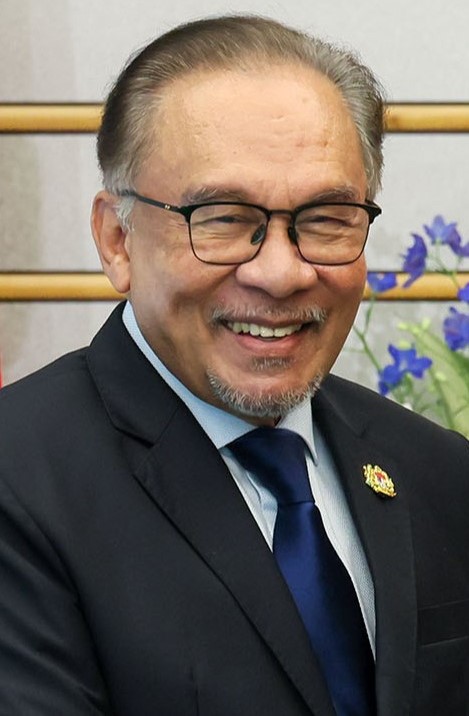
Prime Minister Datuk Seri Anwar Ibrahim is returning to Johor on June 24 for his second visit in as many days, underscoring the heightened political activity in the southern state as election campaigning enters a more aggressive phase. The rapid succession of visits demonstrates the strategic importance Putrajaya is placing on Johor, Malaysia's second-largest state by economic output and a traditional political battleground that has swung between ruling coalitions across multiple electoral cycles.
Anwar's frequent presence on the ground in Johor reflects broader calculations within the Pakatan Harapan-led administration about maintaining and consolidating political advantage in a state where control has shifted multiple times in recent years. The state remains crucial for any coalition's path to federal dominance, given its substantial parliamentary representation and the symbolism of governing Malaysia's economic powerhouse in Iskandar Malaysia and the Port of Tanjung Pelepas.
The campaign rhythm across Johor has accelerated markedly in recent weeks as political parties mobilise supporters and lay out their competing visions for the state's development. Election machinery from both ruling and opposition camps has become increasingly visible in constituencies, with grassroots organisations intensifying voter outreach programmes and candidate introductions in neighbourhoods and market areas.
For the Prime Minister's office, these frequent visits serve multiple purposes beyond simple campaigning. They provide opportunities to announce development projects, inaugurate infrastructure, and distribute state patronage resources that reinforce the ruling coalition's narrative of delivering tangible benefits to Johor constituents. Such visits also signal to party members and grassroots activists that leadership is committed and engaged, helping to maintain morale and organisational cohesion during the critical pre-election period.
Johor's political trajectory over the past decade has been marked by considerable volatility. The state swung decisively towards the opposition in the 2018 general election before gradually drifting back towards government-aligned coalitions. This unpredictability makes it a state where no incumbent can afford complacency, and where marginal shifts in voter sentiment can determine overall electoral outcomes. Demographic changes, including the steady growth of middle-class professionals in Johor Bahru and the urbanisation of traditionally rural areas, have also reshaped the electorate's concerns and priorities.
Key battlegrounds within Johor are expected to revolve around bread-and-butter issues affecting daily life. Voters in urban constituencies increasingly prioritise affordable housing, public transport connectivity, and employment opportunities for tertiary graduates, while rural constituencies remain focused on agricultural support, infrastructure development, and equitable resource allocation. The management of water resources and environmental concerns in areas affected by industrial expansion have also emerged as electoral considerations that parties cannot ignore.
Anwar's engagement strategy appears focused on demonstrating that the federal government remains attentive to Johor's specific challenges and opportunities. The concentration of visits within short timeframes creates sustained media attention and gives the impression of active governance, even as the broader machinery of government continues functioning from Kuala Lumpur. This approach also allows the Prime Minister to interact directly with community leaders, business associations, and constituency-level activists who serve as crucial nodes in party machinery.
Opposition parties have similarly mounted organised campaigns in Johor, with their own leaders and candidates conducting ground work and public events. The competitive intensity reflects recognition that Johor will likely be decisive in determining the overall political balance following the next general election, potentially scheduled for late 2023 or early 2024 depending on parliamentary dissolution timing.
The stakes for the ruling coalition in Johor are particularly acute given that maintaining strong state-level representation translates into federal parliamentary seats that can meaningfully influence government formation. Conversely, if opposition coalitions successfully consolidate support in Johor, they substantially improve their prospects of forcing a contested outcome at the national level or even achieving federal power, making the state effectively a microcosm of national political competition.
Anwar's hands-on approach to campaigning in Johor also reflects his personal political strategy of remaining highly visible and engaged across the country rather than delegating campaign responsibilities entirely to party structures. This approach has both strengths and risks, as it keeps him prominently associated with government achievements and popular policies, while potentially exposing him to criticism for any unpopular decisions or failures.
For Malaysian observers and regional watchers, Johor's electoral fortunes carry implications beyond domestic politics. The state's governance directly affects regional economic dynamics, given its role as Malaysia's primary economic engine and its strategic position within ASEAN supply chains and trade networks. Election outcomes that determine policy direction on port development, manufacturing investment, and regional integration projects therefore have resonance extending beyond Johor's borders.
The campaign activity in Johor will likely accelerate further in coming weeks as political parties conclude preliminary groundwork and move toward more public-facing events, candidate announcements, and policy declarations. The state's role as a bellwether for national sentiment means that observers will continue monitoring Johor closely for signals about the broader direction of Malaysian politics.