%22%2F%3E%3C%2Fpattern%3E%3C%2Fdefs%3E%3Crect%20width%3D%22100%25%22%20height%3D%22100%25%22%20fill%3D%22url(%23ph2z7t1g)%22%2F%3E%3Crect%20width%3D%22100%25%22%20height%3D%22100%25%22%20fill%3D%22url(%23ph2z7t1p)%22%2F%3E%3Ctext%20x%3D%2250%25%22%20y%3D%2250%25%22%20text-anchor%3D%22middle%22%20dominant-baseline%3D%22central%22%20fill%3D%22rgba(255%2C255%2C255%2C0.95)%22%20font-family%3D%22Georgia%2C%20'Times%20New%20Roman'%2C%20serif%22%20font-weight%3D%22700%22%20font-size%3D%22272%22%20letter-spacing%3D%22-0.02em%22%3EAnwar%3C%2Ftext%3E%3C%2Fsvg%3E)
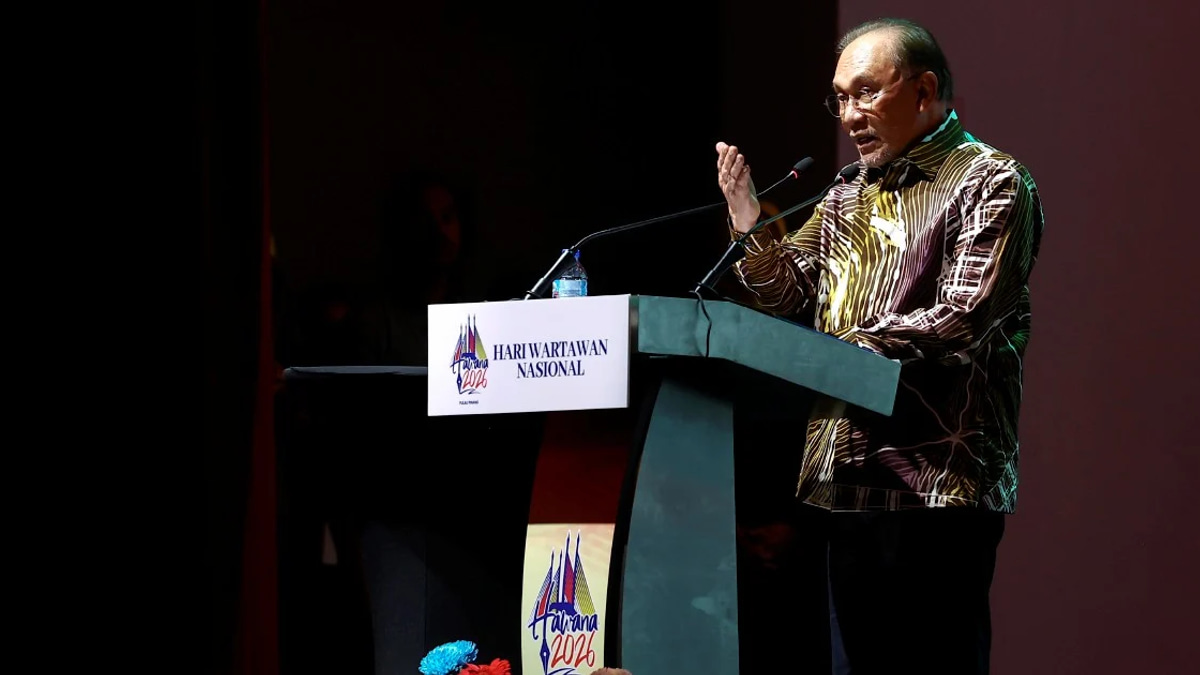
Prime Minister Datuk Seri Anwar Ibrahim has demonstrated the tangible value of personal diplomatic engagement during his recent visits to Russia and Turkmenistan, moves that underline Malaysia's efforts to strengthen ties with nations outside traditional Western spheres of influence. The strategic timing and outcome of these missions reveal how individual leadership qualities can complement formal government-to-government relations, particularly when navigating complex geopolitical terrain where trust and personal rapport often determine the trajectory of bilateral partnerships.
Anwar's approach to these visits reflected a deliberate strategy of combining substantive policy discussions with relationship-building at the highest levels. His interactions with Russian and Turkmen counterparts went beyond ceremonial exchanges, focusing instead on identifying concrete areas of cooperation that align with Malaysia's medium-term economic and diplomatic objectives. This style of engagement has become increasingly important as Malaysia seeks to position itself as a credible partner across diverse political systems and development contexts, from established democracies to resource-rich authoritarian regimes.
The Prime Minister's personal bearing and communication skills have long been noted as distinguishing features of his political brand. During these Central Asian engagements, these qualities translated into an ability to establish immediate rapport with senior officials, creating an environment conducive to candid discussions on matters ranging from energy security to trade expansion. The charisma referenced by observers was not merely superficial charm but rather a combination of intellectual credibility, demonstrated understanding of regional complexities, and an evident commitment to pursuing mutually beneficial outcomes.
Malaysia's engagement with Russia carries particular significance given ongoing international tensions and the need to maintain pragmatic economic relationships while preserving diplomatic flexibility. By sending Anwar personally rather than delegating to junior ministers, the government signaled the importance it attaches to the relationship while also demonstrating confidence in his ability to navigate delicate political conversations. The visit allowed Malaysia to reaffirm its non-aligned posture and commitment to principles of state sovereignty and territorial integrity without sacrificing practical bilateral cooperation in areas like energy, technology, and cultural exchange.
Turkmenistan represents a different but equally strategic engagement for Malaysian interests. The Central Asian nation's vast natural gas reserves and position along crucial trade corridors connecting Asia with the Middle East and Europe make it a valuable partner for long-term economic planning. Anwar's visit provided an opportunity to explore possibilities in energy cooperation, particularly relevant as Malaysia continues to diversify its energy supply sources and build relationships with major gas producers. The personal attention of the Prime Minister to these discussions conveyed Malaysia's seriousness about deepening economic partnerships in the region.
The broader context of Southeast Asian diplomacy has shifted markedly in recent years, with individual personality and communication style playing an outsized role in international relations. Unlike the Cold War era when formal bilateral relations operated through more rigid institutional channels, contemporary diplomacy increasingly values personal connections and demonstrated mutual respect between leaders. Anwar's visits exemplify this evolution, showing how a Prime Minister who brings intellectual depth, international experience, and genuine engagement to diplomatic encounters can open doors that might otherwise remain closed or require significantly longer to unlock.
These missions also carry domestic political significance, as they allow Anwar to project an image of Malaysia as a nation with independent foreign policy agency and the capacity to forge relationships across traditionally divided geopolitical blocs. For a Southeast Asian country navigating the competition between major powers, this kind of assured diplomatic engagement demonstrates leadership competence and confidence in international affairs. The ability to conduct high-level visits to Russia and Turkmenistan without complications or controversy strengthens his domestic political position and validates his government's approach to balancing diverse international relationships.
The effectiveness of Anwar's personal diplomacy also reflects Malaysia's historical position as a non-aligned nation with established credibility in Third World and developing country forums. This background provides a foundation upon which contemporary diplomatic engagements can build, allowing Malaysian leaders to approach conversations with major powers as genuine partners rather than subordinate allies. Anwar's intellectual stature and demonstrated understanding of global affairs enable him to engage with Russian and Turkmen officials as equals navigating a complex international system, rather than as representatives of a smaller nation seeking favors.
Looking forward, the precedent established by these visits suggests that personal diplomacy will remain a valuable tool in Malaysia's foreign policy toolkit, particularly in regions where traditional institutional ties may be less developed or where trust between nations requires reinforcement through human connection. The challenge for the government will be ensuring that the positive momentum generated by Anwar's personal engagement translates into concrete institutional outcomes—trade agreements, investment flows, and collaborative projects that demonstrate tangible benefits to Malaysian citizens. Without this follow-through, even the most successful diplomatic visit risks remaining a symbolic gesture rather than a catalyst for substantive change.
Ultimately, the recognition of Anwar's charisma as a diplomatic asset underscores a reality often overlooked in discussions of international relations: personality and individual leadership qualities matter significantly in shaping outcomes between nations. While structural factors, economic interests, and strategic calculations provide the framework within which diplomacy occurs, the quality of personal engagement between leaders can determine whether potential cooperation becomes actual cooperation, and whether relationships remain transactional or evolve into genuine partnerships grounded in mutual respect and understanding.