Prime Minister Datuk Seri Anwar Ibrahim is expected to be discharged from hospital today after completing his treatment programme, according to his wife Datuk Seri Dr Wan Azizah Wan Ismail. The announcement came as the Prime Minister's household expressed appreciation for the widespread public support and prayers extended during his medical episode. Dr Wan Azizah relayed that Anwar has extended his regards to all those who have maintained him in their thoughts and offered their wishes for his speedy recovery.
The Prime Minister underwent an elective laparoscopic surgical procedure on Monday to address a para-umbilical hernia, a relatively common abdominal condition where tissue protrudes through a weakened area of the abdominal wall near the umbilicus. The minimally invasive nature of laparoscopic surgery, which utilises small incisions and specialised instruments, typically allows for faster recovery compared to traditional open surgical methods. This approach has become standard practice in addressing such hernias, reducing patient discomfort and hospitalisation duration.
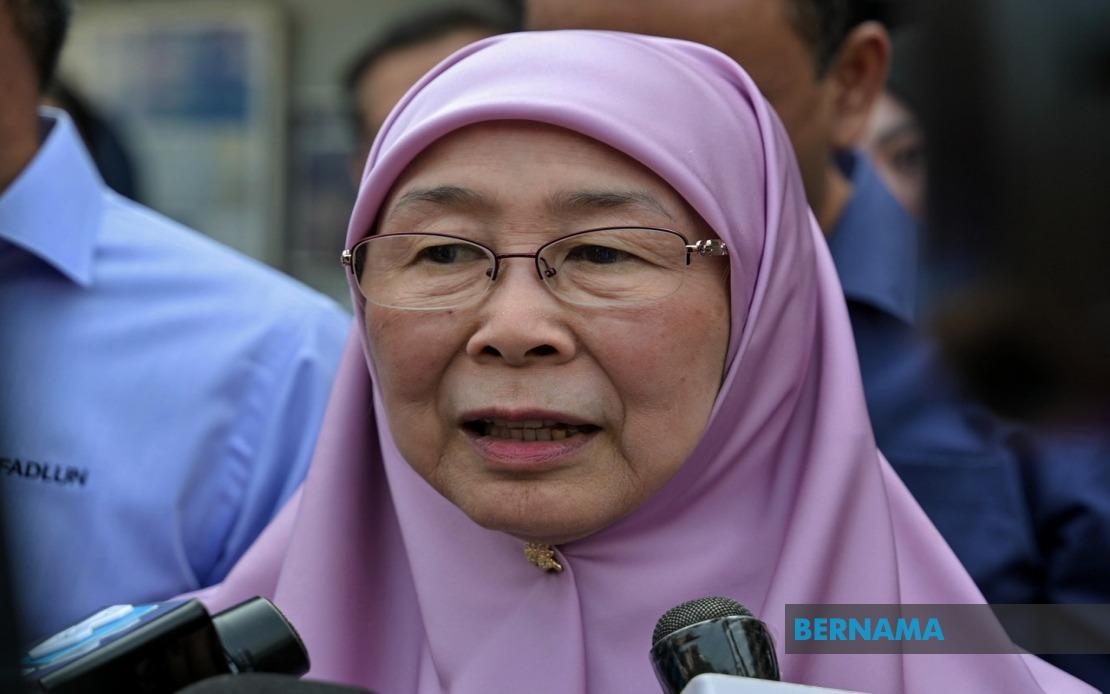
Dr Wan Azizah made the update to assembled media representatives at the Semarak Merdeka programme held at the Bandar Tun Razak branch of the Kuala Lumpur City Hall. The event formed part of the broader 2026 National Month celebrations currently underway across the country. Her presence at the community gathering itself signalled the routine nature of the Prime Minister's condition and the positive trajectory of his recovery.
The timing of this surgical intervention reflects the importance of proactive healthcare management for senior political figures. Para-umbilical hernias, whilst often benign, can lead to complications if left untreated and may cause discomfort during regular activities. By addressing the condition through planned elective surgery rather than emergency intervention, the Prime Minister has minimised potential disruption to his official duties and the government's functioning.
The news of Anwar's impending discharge provides reassurance to Malaysian citizens and regional observers regarding the stability of national leadership. While the procedure itself was routine, maintaining public confidence in the continuity and health of the executive remains a matter of national importance. The transparent communication from his household, through Dr Wan Azizah's public statements, has helped manage public expectations and dispel any concerns about his wellbeing.
For the Malaysian government and the broader Southeast Asian region, the quick progression from surgery to expected discharge underscores the quality of medical facilities and healthcare infrastructure available domestically. The use of advanced laparoscopic techniques reflects Malaysia's access to modern medical technology and skilled surgical personnel, comparable to international standards. This capacity matters not only for the nation's leadership but also signals to citizens the quality of healthcare options available within the country.
The public expression of gratitude from the Prime Minister's office demonstrates the cultural significance placed on communal support and well-wishes within Malaysian society. The numerous individuals who prayed for his recovery represent a cross-section of the population spanning different religious backgrounds and political affiliations. This broad-based sentiment reflects the unifying nature of concerns for national leadership health, transcending partisan divisions.
Anwar's swift recovery trajectory also highlights the importance of preventive healthcare and timely medical intervention. Elective procedures, by their nature, allow medical professionals to prepare comprehensively and schedule operations during optimal conditions, contributing to positive outcomes. The decision to address the hernia through planned surgery rather than managing symptoms demonstrates responsible health stewardship.
The discharge announcement marks the successful conclusion of a brief but significant medical episode in Malaysia's political calendar. With the Prime Minister returning to his residence and resuming his duties, governmental operations can maintain their expected rhythm and focus. The incident, whilst requiring transparency and public communication, ultimately reflects the robust institutional capacity to manage such matters and ensure continuity in national administration.

