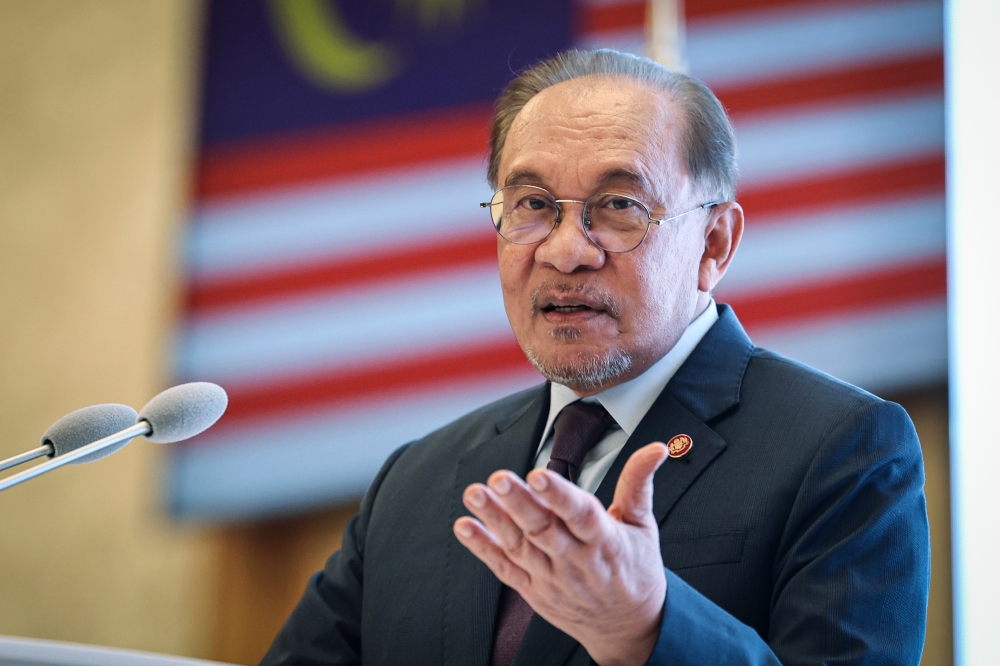
Prime Minister Datuk Seri Anwar Ibrahim has expressed gratitude to the Malaysian public for their concerns and prayers during his recent period away from official duties. His acknowledgment of the public's goodwill signals both a return to active governance and a readiness to address pressing legislative matters that have accumulated during his absence. The gesture reflects the personal connection many Malaysians maintain with their political leaders, particularly during moments of health-related uncertainty.
The immediate priority upon Anwar's resumption of duties is a specially convened parliamentary sitting dedicated to examining findings from the Royal Commission of Inquiry into Tabung Haji, the Malaysian pilgrimage fund that has faced mounting scrutiny over recent years. This arrangement underscores the government's commitment to transparency regarding one of the nation's most significant institutions serving Muslim citizens planning the hajj pilgrimage. The decision to hold a dedicated sitting rather than incorporate the matter into regular parliamentary business indicates the gravity with which the government treats the RCI's conclusions.
Tabung Haji has long occupied a sensitive position within Malaysia's institutional framework. The fund manages savings from millions of Malaysian Muslims preparing for their obligatory pilgrimage to Mecca, making it not merely a financial entity but a deeply meaningful component of religious observance for the nation's Muslim majority. Over the years, questions have emerged regarding governance structures, investment decisions, and transparency measures, prompting calls for formal investigation. The RCI's work represents an attempt to address these concerns through a structured, independent inquiry.
The timing of this parliamentary sitting carries particular significance within Malaysia's broader political context. Anwar's government has positioned itself as committed to institutional reform and anti-corruption efforts, distinguishing itself from its predecessors through emphasis on accountability and transparent governance. The decision to place Tabung Haji front and centre demonstrates that these commitments extend to organisations that carry religious and cultural weight alongside their financial dimensions. How Parliament responds to the RCI findings will significantly influence public perception of the government's reform credentials.
For Malaysian Muslim citizens, particularly those with active savings in Tabung Haji, the parliamentary examination will provide crucial clarity on the fund's operational standing and future direction. Many Malaysians from modest economic backgrounds rely on Tabung Haji as their primary savings mechanism specifically because of its pilgrimage focus and perceived trustworthiness. Any revelations about governance failures or mismanagement would necessitate reassurance about fund security and the integrity of custodial arrangements. The RCI report thus holds implications beyond technical financial matters, touching on issues of institutional confidence and religious trust.
The special parliamentary sitting also reflects broader regional trends in Southeast Asia toward greater institutional scrutiny and demands for accountability. Malaysia is not alone in facing questions about governance at state-linked entities; across the region, countries grapple with balancing autonomous institutional management against public oversight. The choice to examine Tabung Haji through parliamentary debate places Malaysia within a pattern of democracies attempting to strengthen transparency mechanisms while respecting the autonomy of specialised institutions.
Anwar's presence at these proceedings will likely carry symbolic weight beyond the formal parliamentary business. His return following health concerns may be interpreted by supporters as resolute continuity and by critics as a test of his capacity for sustained governance demands. Opposition voices may attempt to use the platform to question broader government competency, while government legislators will seek to demonstrate that any institutional problems are being systematically addressed. The Tabung Haji debate thus becomes a microcosm of larger political contestation in Malaysian politics.
The RCI's investigation process itself reveals something about Malaysia's institutional maturity. The decision to establish an independent commission rather than rely on internal audits or ministerial reviews suggests recognition that certain institutions require external scrutiny to restore public confidence. This approach aligns with international best practice in governance and reflects pressure from civil society and affected stakeholders for mechanisms that operate genuinely independently from political interference.
Looking forward, Parliament's response to the RCI findings will likely shape both the immediate trajectory of Tabung Haji reforms and the government's broader credibility on governance issues. Whether recommendations are swiftly implemented, adequately resourced, and properly monitored will signal the seriousness of the government's commitment to institutional reform. For Malaysian Muslims with savings in the fund, and for the broader public watching state institutional management, the coming parliamentary sitting represents a pivotal moment in determining whether high-profile inquiries translate into tangible change or function primarily as political theatre.

