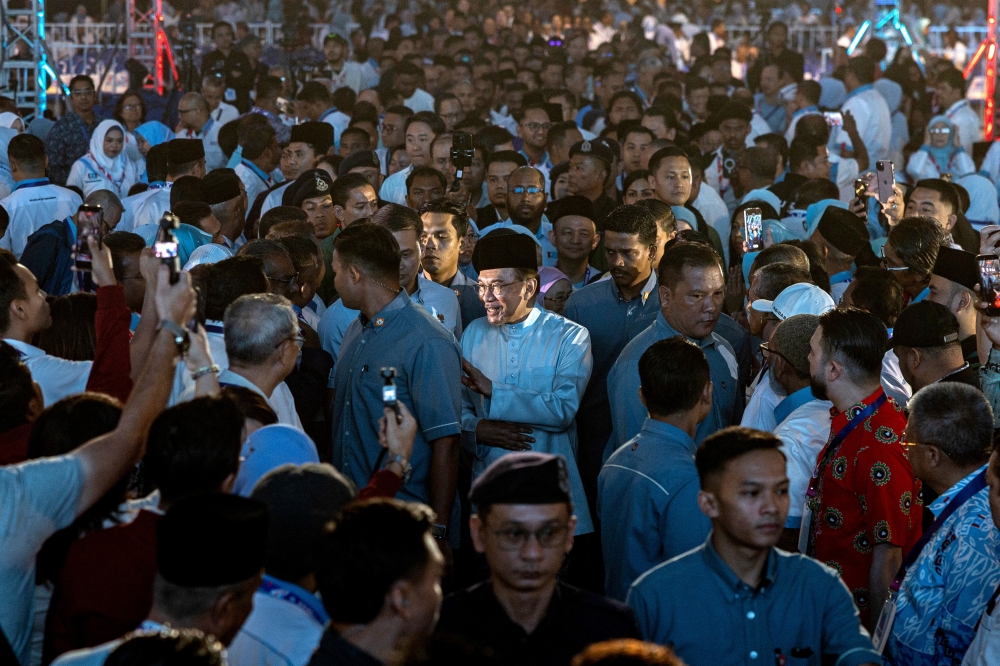
Prime Minister Datuk Seri Anwar Ibrahim confirmed on Thursday that his administration intends to bring a proposal for repealing the Universities and University Colleges Act before the Cabinet in the coming week, marking a significant development in Malaysia's higher education reform agenda. Speaking at Ayer Keroh, Anwar underscored the government's commitment to dismantling legislation that currently constrains academic freedom and institutional independence across the country's university sector.
The Universities and University Colleges Act, commonly referred to as the UUCA, has long been a focal point of debate among educators, students, and civil society advocates who contend that its restrictions on campus political activity and administrative controls have stifled intellectual discourse and hindered Malaysia's competitive standing in global academic rankings. By initiating this legislative review, the government signals recognition of these longstanding criticisms and acknowledges the need for structural reform to position Malaysian universities more favourably within the international higher education landscape.
The Prime Minister's move reflects growing pressure from university leadership and academic communities across the region who argue that overly restrictive regulatory frameworks undermine institutional excellence and deter top talent from remaining in Malaysian academia. Several neighbouring countries have already implemented more flexible governance models, allowing their institutions to attract stronger international collaboration partnerships and research funding, advantages that Malaysia risks forfeiting if its legal framework remains unchanged.
Repeal of the UUCA would likely entail substantial amendments to how universities manage student conduct, political engagement, and administrative operations. Current provisions within the Act impose stringent controls over campus activities deemed political in nature, a restriction that critics contend creates an environment of self-censorship and discourages students from engaging meaningfully with civic issues. By removing or substantially relaxing these constraints, the proposed reform could foster a more vibrant intellectual culture within Malaysian tertiary institutions.
The Cabinet's expected deliberation on this proposal carries broader implications for Malaysia's aspirations to establish itself as a regional education hub. With competition intensifying across Southeast Asia—particularly from universities in Singapore, Thailand, and Indonesia—the ability to offer intellectual autonomy and modern governance structures has become a decisive factor in attracting international enrolments and research partnerships. Malaysian institutions have witnessed gradual declines in their positioning within influential international rankings, a trend that several analysts have attributed partly to governance limitations.
Implementing such a change would require careful coordination between the education ministry, university administrations, and Parliament to draft replacement legislation that maintains institutional accountability while expanding autonomy. The process likely involves consultation with various stakeholders including student unions, academic senates, and professional bodies representing faculty interests. Any new framework must balance the government's legitimate interests in ensuring responsible university operations with the need for meaningful independence in academic and administrative decisions.
The timing of this initiative aligns with broader efforts within Anwar's administration to reform governance structures across multiple sectors. The Prime Minister has previously championed causes related to democratic renewal and institutional transparency, framing the UUCA repeal as consistent with these commitments to modernise Malaysia's institutional landscape. This positioning helps frame the proposal not merely as an education sector reform but as part of a larger national transformation agenda.
From a Malaysian perspective, the repeal could enhance the country's capacity to retain homegrown talent and attract regional and international scholars who might otherwise choose to pursue careers and research opportunities in more liberalised academic environments. Students considering tertiary education increasingly factor institutional culture and freedom of thought into their decisions, considerations that potentially influence whether Malaysia can retain its traditional demographic appeal as an education destination across Southeast Asia and the broader Asian region.
The proposal also represents an implicit acknowledgment that the current legislative framework, although initially intended to maintain stability and order within universities, has inadvertently constrained the institutional dynamism required for contemporary higher education excellence. Anwar's willingness to champion this repeal demonstrates political capital commitment to a reform agenda that may face resistance from certain quarters but enjoys substantial support among academics and intellectuals who view it as essential modernisation.
Looking ahead, the Cabinet's reception of this proposal will likely signal the government's genuine commitment to higher education restructuring versus a more cautious, incremental approach. A swift Cabinet approval would suggest Anwar's coalition commands sufficient consensus on this issue to proceed with legislative action, whereas protracted deliberation might indicate competing priorities or internal disagreement about the pace and scope of reform. Parliament's subsequent handling of any repealing legislation will further clarify whether this moment represents a genuine transformation of Malaysia's academic governance landscape or a more limited adjustment to existing frameworks.

