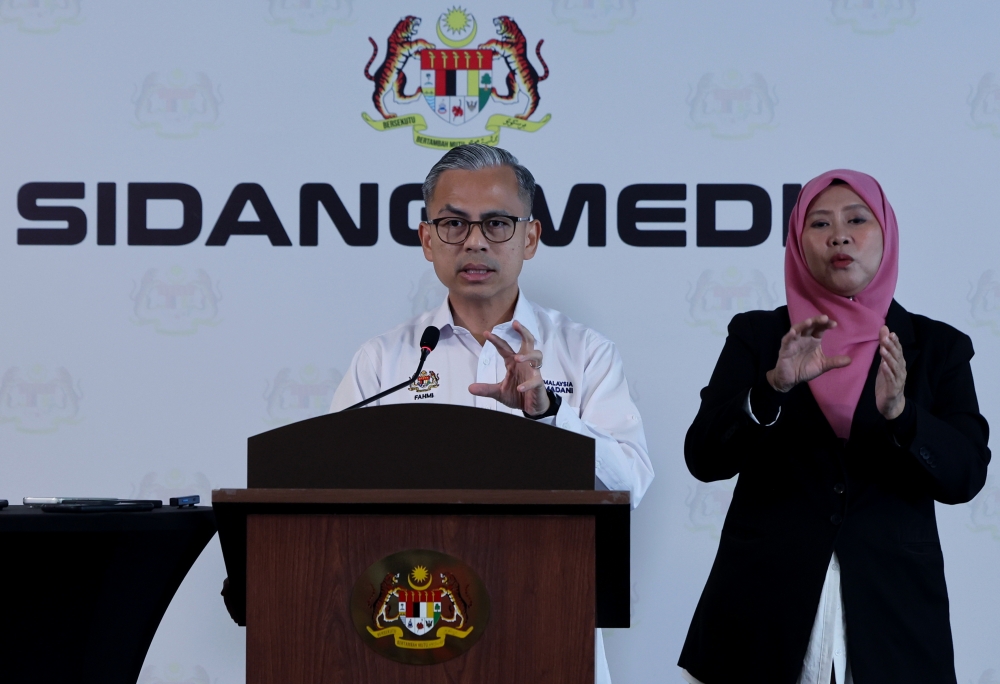
Prime Minister Datuk Seri Anwar Ibrahim has directed the Ministry of Human Resources to accelerate the processing of approximately 15,000 pending foreign worker applications, Communications Minister Fahmi Fadzil announced on Tuesday. The directive underscores the government's commitment to resolving a significant backlog in labour permits that has been constraining business operations and worker placement across multiple sectors of the Malaysian economy.
Fahmi Fadzil disclosed the Prime Minister's instruction during a press engagement, framing the intervention as part of broader efforts to maintain economic momentum and workforce stability. The announcement signals that the administration recognises the strain created by prolonged approval delays and is prioritising the matter at the highest administrative level. The foreign workforce issue has become increasingly pressing as Malaysia's labour-intensive industries—including manufacturing, construction, hospitality, and domestic services—report difficulties in securing adequate staffing levels to meet operational demands.
The backlog of 15,000 applications represents a substantial administrative challenge that has affected employers across sectors unable to fill positions vacated by the departure of migrant workers during pandemic-related restrictions and subsequent border policies. Many businesses have faced production delays and service interruptions while awaiting approvals. The government's intervention suggests acknowledgement that the current processing pace is incompatible with economic recovery requirements and competitive positioning in the region.
The Ministry of Human Resources, known locally as Kesuma, oversees the entire foreign worker permit system, including applications for temporary workers in designated occupations and industries. Expediting the backlog requires streamlining administrative procedures, potentially reallocating resources to case management teams, and ensuring that the ministry's infrastructure can handle rapid-turnaround approvals without compromising security screening or compliance verification. The practical implementation of this directive will determine its actual impact on businesses awaiting worker confirmations.
From an economic perspective, the delay in foreign worker approvals has created supply-side constraints that ripple through interconnected industries. Construction projects have experienced timeline extensions, manufacturing facilities have reduced output capacity, and hospitality establishments have operated below optimal staffing levels. The backlog has also indirectly affected Malaysia's attractiveness as an investment destination, as foreign companies considering regional operations evaluate labour accessibility as a key operational factor.
The foreign worker policy landscape in Malaysia has grown increasingly complex over the past two years, with enhanced vetting procedures introduced to combat human trafficking and labour exploitation, alongside demographic shifts that have altered worker availability from traditional source countries. Balancing robust compliance mechanisms with operational efficiency remains a fundamental tension within the system. The Prime Minister's directive implicitly acknowledges this balance must tilt somewhat toward processing efficiency to sustain economic growth.
Regionally, Malaysia's approach to foreign labour management influences broader Southeast Asian labour mobility and bilateral relations with primary labour-exporting nations including Indonesia, the Philippines, and Bangladesh. Efficient processing of applications and fair treatment of migrant workers contribute to Malaysia's reputation as a preferred destination and supports diplomatic relationships with neighbouring countries dependent on worker remittances. Prolonged delays create bilateral tensions and may encourage workers to pursue opportunities in competing destinations.
The announcement raises questions about the specific mechanisms the ministry will employ to accelerate processing without creating new vulnerabilities in background verification or compliance procedures. Enhanced digital systems, expanded staffing, or reallocation of existing resources could expedite approvals, but implementation details remain unclear. The timeline for clearing the 15,000-application backlog and establishing sustainable processing speeds for ongoing applications will be critical metrics for evaluating the directive's effectiveness.
For Malaysian employers, particularly in construction, manufacturing, and services sectors, the directive offers hope that staffing constraints may be relieved in coming months, potentially enabling deferred projects to resume and capacity utilisation to increase. However, businesses must continue operational contingency planning until approvals actually materialise, as administrative momentum can fluctuate with resource availability and unforeseen procedural complications.
The broader policy implication extends beyond immediate backlog clearance to questions about Malaysia's optimal foreign worker stock, sectoral allocation of permits, and long-term labour strategy as demographic trends and economic restructuring reshape workforce composition. The government's intervention in processing efficiency suggests foreign labour will remain integral to economic planning despite ongoing policy debates about prioritising domestic worker development and automation investment.

