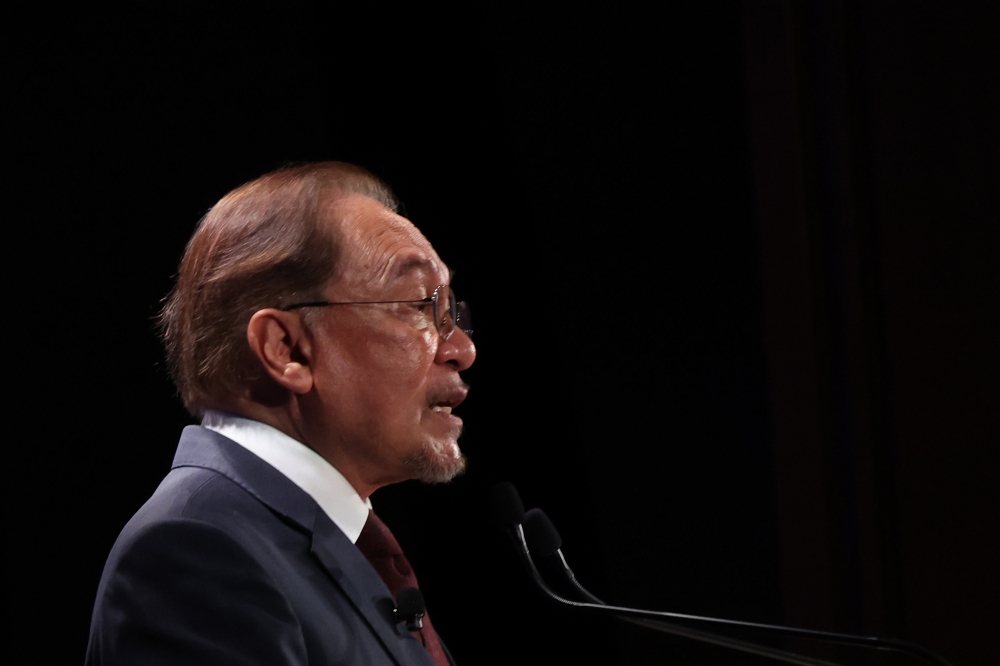
Prime Minister Datuk Seri Anwar Ibrahim has taken legal action against PAS deputy president Tuan Ibrahim, filing a defamation suit that signals a hardening of the political dispute between the federal government and the Islamic party. The lawsuit represents a significant escalation in the simmering tensions between the ruling coalition and PAS, which has positioned itself as the primary opposition force, particularly in Malaysia's Malay-Muslim heartland where the two camps compete fiercely for political dominance.
The decision to pursue judicial remedies reflects a broader pattern in Malaysian politics where high-profile political figures increasingly resort to civil litigation to address public criticism and alleged character attacks. This approach differs from previous practice, where political disputes were often resolved through parliamentary debate, media rebuttals, or informal negotiations within the country's political establishment. The shift towards courtroom battles highlights the deepening animosity within the nation's fractious political landscape and the difficulty of maintaining consensus-based conflict resolution mechanisms.
PAS has emerged as a formidable political force over the past two years, particularly following its strong showing in the 2022 general election and subsequent state-level victories. The party's growing influence has prompted increased scrutiny from the ruling coalition, and interpersonal conflicts between senior leaders have become more pronounced. Tuan Ibrahim, who serves as PAS deputy president, has been a vocal critic of government policies and has made numerous public statements challenging the administration's direction on various issues spanning religious affairs, socioeconomic policy, and governance.
The specific allegations underlying the defamation suit relate to remarks that Anwar's legal team apparently contends damaged his reputation and character. In Malaysian law, defamation claims require demonstration that false statements caused injury to the plaintiff's standing and honour. The threshold for establishing such cases involves proving publication of the disputed statements, their defamatory nature, and their falsity—a legal framework that gives courts considerable discretion in interpreting whether political commentary crosses from protected speech into actionable defamation.
This legal confrontation occurs within the context of Malaysia's complex and often contentious political environment, where the line between legitimate political opposition and personal attacks frequently blurs. For readers across Southeast Asia, the case underscores how Malaysian politics operates within tension between democratic competition and a legal system that can be weaponised by those wielding executive power. The outcome may have implications for how freely opposition figures can criticise the government without facing legal jeopardy.
Anwar's administration has worked to consolidate its coalition since assuming office, attempting to balance the interests of diverse political parties spanning the ideological spectrum. PAS's refusal to join the federal coalition and instead strengthen its opposition credentials has created significant friction. The party has positioned itself as an alternative government-in-waiting while emphasizing its commitment to Islamic principles and governance, a posture that increasingly conflicts with the ruling coalition's policy initiatives and philosophical approach.
The defamation suit also reflects the personal dimension of Malaysian political rivalries, where senior figures often maintain longstanding grievances dating back years. Anwar and Tuan Ibrahim represent different political traditions and ideological commitments within the Malay-Muslim political sphere, a domain where doctrinal and strategic differences frequently intensify personal conflicts. These tensions permeate Malaysian politics at multiple levels, influencing everything from parliamentary conduct to media coverage to electoral strategy.
From a legal perspective, the case will test Malaysian courts' approach to political speech and the parameters of fair comment doctrine. Courts must balance protecting individuals from genuinely defamatory falsehoods against preserving space for robust political criticism essential to democratic functioning. The judiciary's handling of this matter will send signals regarding the vulnerability of opposition figures to legal actions initiated by those holding executive authority, potentially influencing political discourse and willingness of critics to speak publicly.
For the broader Malaysian political ecosystem, the lawsuit carries implications extending beyond the immediate parties. It demonstrates how disputes that might previously have remained within parliamentary chambers or informal political networks are increasingly being adjudicated in courtrooms, where different rules of evidence and procedure apply. This shift raises questions about whether judicial processes provide appropriate forums for resolving what are fundamentally political disagreements rooted in competing visions of governance and national direction.
The case arrives as Malaysia continues navigating complex challenges including economic restructuring, religious policy debates, and managing regional geopolitical pressures. Political stability requires that rival factions can coexist and compete without resorting to mechanisms that might undermine democratic institutions or public confidence in governance. How Anwar's coalition and PAS navigate their disputes—whether through continued legal confrontation or eventual negotiated settlements—will significantly shape Malaysian politics in coming months and years.

