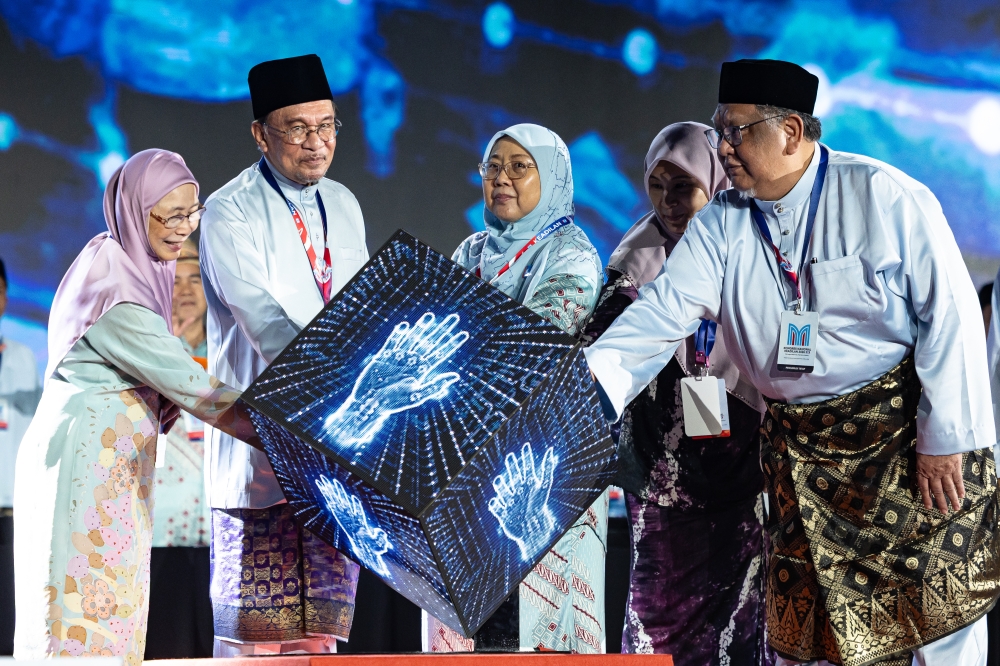
Prime Minister Datuk Seri Anwar Ibrahim has pushed back against allegations that his administration shortchanges states governed by opposition parties, asserting that federal funding to Sabah, Sarawak, Kedah and Kelantan has actually expanded since the Madani government took office. Speaking in Melaka on August 15, the Prime Minister sought to counter narratives suggesting that political alignment with the federal government determines the distribution of development resources across Malaysia's diverse landscape.
The remarks reflect an ongoing tension in Malaysian federalism between the national government and state administrations controlled by different coalitions. This debate carries particular weight given the regional political configurations across Malaysia, where several strategically important states remain under opposition control. The assertion by Anwar becomes significant in the context of ensuring equitable development and maintaining national cohesion, especially as the country approaches various electoral cycles that could reshape political alignments.
Sabah and Sarawak, Malaysia's two largest states by geographical area, hold outsized importance in federal-state relations due to their constitutional status and strategic significance to the nation's territorial integrity and development agenda. These East Malaysian states have historically negotiated their relationship with the federal government with particular assertiveness, and their economic development remains crucial for national growth trajectories. Kelantan and Kedah, meanwhile, represent important constituencies within Peninsular Malaysia's political and economic framework, with Kelantan possessing historical and cultural significance while Kedah has emerged as an agricultural and manufacturing hub.
The Madani government's emphasis on demonstrating fiscal fairness across all states regardless of political control addresses a recurrent concern in Malaysian politics. Opposition parties and state governments have periodically alleged that development budgets and federal allocations favour states aligned with the ruling coalition, creating resentment and complicating national unity efforts. By highlighting increased funding to opposition-held territories, the Prime Minister aims to establish that the Madani administration operates according to developmental criteria rather than partisan considerations.
Anwar's intervention becomes particularly notable given the framework within which the Madani government operates. Since its formation following the 2022 general election, the government has navigated a complex political environment requiring broad consensus-building and management of competing interests across different state governments. The coalition arrangement that supports the Madani administration encompasses diverse political interests, and tensions between federal and opposition-controlled state governments have occasionally surfaced over resource allocation and policy coordination.
The timing of these statements also reflects the government's broader communication strategy regarding its economic and developmental performance. As Malaysia continues recovery from post-pandemic economic challenges and grapples with inflation and cost-of-living pressures affecting all states regardless of political affiliation, demonstrating balanced distribution of federal resources becomes important for maintaining public confidence in government institutions. Development projects and financial allocations directly impact constituent welfare and state governments' capacity to deliver services, making these matters visible to ordinary Malaysians.
For Sabah and Sarawak specifically, the increased allocations assume greater meaning given their constitutional position within Malaysia and their historical experience of negotiating resource distribution with Kuala Lumpur. These states have long advocated for recognition of their unique circumstances and resource endowments, and any expansion of federal funding represents a validation of their development priorities. The correlation between federal resource allocation and economic progress in East Malaysia carries implications for national growth and regional stability within the Southeast Asian context.
Kelantan's economic development trajectory and Kedah's positioning as a manufacturing and agricultural centre similarly benefit from federal investment, particularly as Malaysia seeks to strengthen non-urban economic bases and reduce regional disparities. Increased allocations to these states signal the government's commitment to distributed development rather than concentration in traditional urban centres, addressing longstanding concerns about uneven growth patterns across the nation.
The assertion of financial fairness, however, requires substantiation through detailed breakdowns of allocation patterns over time and comparative analysis with previous administrations. Understanding whether increases represent absolute growth or proportional distribution changes necessitates examining baseline figures and programme-specific funding details. Transparency in resource allocation processes ultimately builds public confidence more effectively than political assertions, particularly when citizens across different states can observe tangible developmental outcomes within their own communities.
Moving forward, the Madani government's approach to federal-state fiscal relations will likely remain subject to scrutiny from opposition parties and independent observers. The principle of equitable resource distribution across all Malaysian states, regardless of political governance, represents a foundational aspect of national cohesion and federal legitimacy. As Malaysia continues developing and competing regionally, ensuring that all states and their populations benefit from national growth remains essential for social stability and political sustainability.

