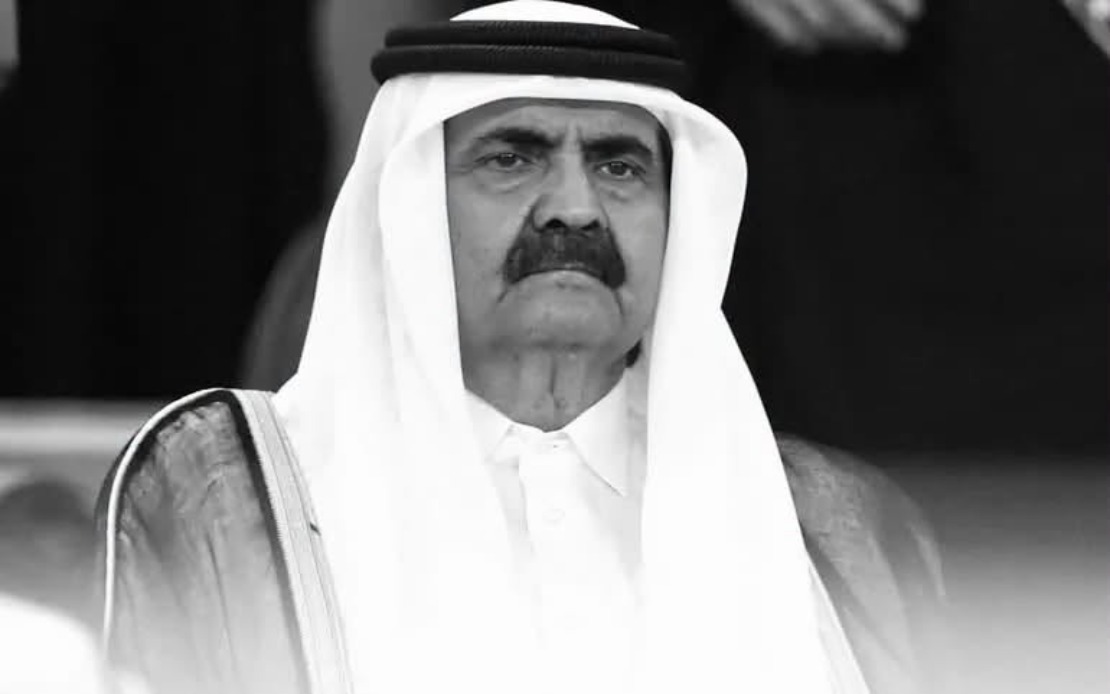
Prime Minister Datuk Seri Anwar Ibrahim has conveyed Malaysia's heartfelt sympathies to the Qatari leadership and people following the death of Sheikh Hamad bin Khalifa Al Thani, known as the Father Amir, who passed away on Sunday at the age of 74. Through a statement posted on social media, Anwar acknowledged the profound loss to Qatar's royal family and the broader Muslim world, offering prayers for the departed leader's soul and strength for those left behind.
Sheikh Hamad's nearly two-decade tenure as Amir fundamentally reshaped Qatar's position on the global stage. When he assumed leadership in 1995, the small Gulf nation was relatively modest in international influence and economic capability. Under his stewardship, Qatar underwent a comprehensive transformation that would eventually establish it as one of the world's most significant economic and diplomatic players. The nation's vast natural gas reserves were developed strategically, generating unprecedented wealth that extended far beyond traditional energy exports.
The economic accomplishments during Sheikh Hamad's reign were particularly striking. Qatar diversified its economy beyond hydrocarbons, establishing sovereign wealth funds that invested globally and positioning the nation as a major player in international finance. The country became home to world-class educational institutions, healthcare facilities, and cultural landmarks. The transformation was not merely financial but structural, modernizing infrastructure while maintaining cultural identity—a balancing act that few developing nations have successfully achieved.
Beyond economic metrics, Sheikh Hamad elevated Qatar's diplomatic footprint considerably. The nation became an active mediator in regional conflicts and disputes, leveraging its newfound wealth and strategic location to exercise influence across the Middle East and beyond. Qatar hosted major international sporting events, cultural institutions, and became a hub for media influence through ventures like Al Jazeera. This cultural and diplomatic expansion gave the small peninsular state a voice that extended far beyond what its population or geographic size would typically afford.
Anwar particularly commended Sheikh Hamad's decision in 2013 to voluntarily step down from power, transferring leadership to his son Sheikh Tamim bin Hamad Al Thani. This succession represented an unusual moment of political restraint in a region where power transitions have historically been fraught with uncertainty. Anwar characterized this transition as an exceptional display of statesmanship, suggesting that Sheikh Hamad's willingness to relinquish authority in favor of a new generation set a significant precedent that transcended Qatar's borders and resonated throughout the Gulf Cooperation Council nations.
The relationship between Malaysia and Qatar during Sheikh Hamad's reign formed part of a broader pattern of cooperation among Muslim-majority nations seeking to establish themselves as meaningful voices in international affairs. Both countries shared similar aspirations for economic development and regional stability, though they pursued different strategic paths. Qatar's membership in multilateral Islamic organizations provided platforms for dialogue that included Malaysian leaders and policymakers, fostering diplomatic and commercial ties that remained important even as power transitioned.
Sheikh Hamad's legacy extends to his role as a respected figure within Islamic leadership circles. Anwar's reference to him as a steadfast friend of Malaysia reflected genuine diplomatic relations built over decades. Malaysia has traditionally maintained broad engagement with Gulf states, and prominent Qatari leaders have often been significant partners in discussions about Islamic development, regional security, and economic cooperation. The death of such a figure thus carries implications for the broader network of Muslim-majority nations seeking coordinated approaches to contemporary challenges.
The timing of Sheikh Hamad's passing also invites reflection on succession planning in the Gulf region more broadly. Sheikh Tamim's transition to leadership nearly a decade ago proved relatively stable, suggesting that the principles his father demonstrated regarding orderly succession have merit in a region prone to political instability. For neighboring and regional states like Malaysia, such smooth transitions carry practical significance, as they affect the continuity of diplomatic relationships and commercial arrangements that depend on consistent leadership and policy direction.
From Malaysia's perspective, the passing of Sheikh Hamad represents a moment to acknowledge the importance of maintaining strong relationships with established Gulf institutions. Qatar remains a significant market for Malaysian exports, particularly in sectors like telecommunications, financial services, and education. The kingdom's hosting of major infrastructure projects and international events means Malaysian companies have found opportunities for engagement. The stability that Sheikh Hamad's leadership brought to Qatar created the foundation for these economic relationships to flourish across sectors.
The Father Amir's contribution to regional architecture also merits consideration in the Malaysian context. His efforts to mediate conflicts and provide diplomatic platforms influenced how smaller nations could leverage soft power and mediation. Malaysia, similarly positioned as a developing nation with regional influence aspirations, has observed and sometimes emulated such approaches. The principles of strategic engagement and economic diversification that characterized Sheikh Hamad's tenure have parallels in Malaysia's own development strategy under various administrations.
As Qatar navigates the period following Sheikh Hamad's death, the continuity provided by Sheikh Tamim's established rule offers reassurance to international partners. For Malaysia, this means the framework for bilateral cooperation remains intact, with no immediate disruptions to existing agreements or relationships anticipated. However, such transitions invariably prompt recalibration of diplomatic priorities and the strengthening of communication channels between nations to ensure that relationships remain vibrant and mutually beneficial.
Anwar's public expression of sympathy reflects the importance Malaysia places on its relationship with Qatar and recognition of Sheikh Hamad's role in building the nation into a significant regional and global actor. Such expressions of condolence serve both ceremonial and substantive purposes in international relations, affirming connections between nations and providing occasions for reaffirming commitment to ongoing cooperation. The statement underscores Malaysia's interest in maintaining the relationships and institutional connections that Sheikh Hamad worked to establish and strengthen throughout his remarkable tenure.

