Prime Minister Datuk Seri Anwar Ibrahim has launched a sharp rebuke at the political opposition, accusing it of weaponising the Tabung Haji controversy to manufacture political conflict rather than addressing substantive failures within Malaysia's pilgrimage savings institution. In a Facebook statement, Anwar framed the dispute as a choice between productive scrutiny of institutional problems and what he characterised as performative political grandstanding designed to deflect from addressing genuine governance shortcomings at Tabung Haji.
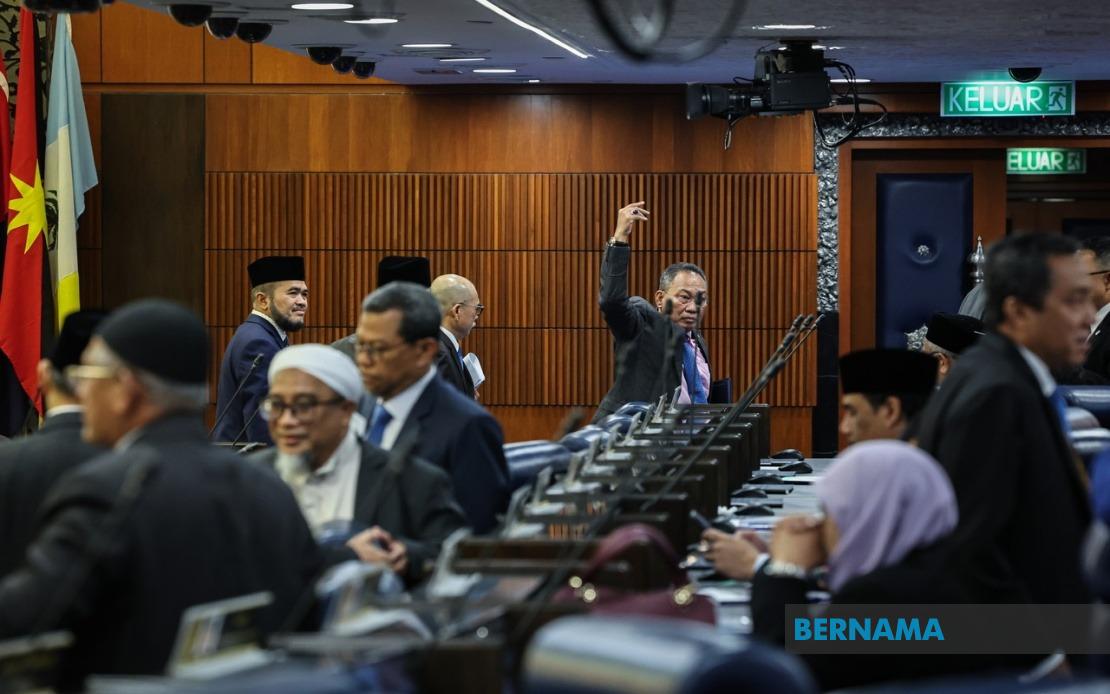
The Prime Minister's intervention came in the aftermath of a parliamentary walkout by opposition Members of Parliament during a special Dewan Rakyat sitting convened to discuss the findings of the Royal Commission of Inquiry into Tabung Haji. The opposition lawmakers protested Dewan Rakyat Speaker Tan Sri Johari Abdul's decision to proceed with a ministerial briefing despite Anwar's absence, rejecting a proposal by Perikatan Nasional Chief Whip Datuk Seri Takiyuddin Hassan to postpone proceedings. Anwar had apologised for missing the session, citing ongoing physiotherapy treatment following an elective laparoscopic operation to address a para-umbilical hernia.
Anwar's rebuttal centred on challenging what he sees as hypocrisy in the opposition's approach. He questioned whether the dialogue should focus on him personally or on the institution's failings and the betrayal of depositors—a rhetorical separation designed to position himself as separate from the substantive policy debate. He argued that Muslim Malays have suffered real harm through institutional mismanagement, yet elements within the opposition remain committed to partisan point-scoring rather than constructive problem-solving.
A core element of the Prime Minister's critique targeted the Perikatan Nasional coalition, led by PAS, over its apparent indifference to the plight of Tabung Haji's predominantly lower-income and working-class depositor base. Anwar enumerated the vulnerable populations whose savings are held within the institution—fishermen, farmers, educators, police personnel, military personnel, and retirees—suggesting that the opposition's political manoeuvres represent a betrayal of these groups' interests. This framing repositions the debate from abstract institutional governance to concrete impacts on ordinary Malaysians' retirement and religious aspirations.
The 211-page Royal Commission of Inquiry report, released publicly on July 29, documented systematic governance weaknesses spanning the 2014 to 2020 period and proposed twenty-five recommendations for institutional strengthening. As of July 30, Tabung Haji had already implemented seventy-five per cent of these recommendations, suggesting that management was already responding to identified problems before the political theatre escalated. The government had established the RCI in 2021, appointed its members in January 2022, and submitted the completed report to the Yang di-Pertuan Agong in August 2022.
Anwar's invocation of the depositors' religious motivations—their savings directed toward performing the Hajj pilgrimage, Islam's fifth pillar—represents an attempt to elevate the issue beyond conventional political competition. By framing Tabung Haji's stability as a matter of spiritual obligation and communal trust, the Prime Minister sought to shame opponents into prioritising institutional health over political advantage. This rhetorical strategy proves particularly potent in the Malaysian context, where questions affecting Muslim religious practice carry heightened emotional and political salience.
The special parliamentary sitting itself became emblematic of deeper political fractionalisation. The opposition's withdrawal signalled their view that the Prime Minister's absence from the proceedings delegitimised the exercise, yet it simultaneously prevented them from directly interrogating government explanations during the ministerial briefing. This tactical choice reflected the opposition's judgment that visible protest would resonate more effectively with their base than substantive parliamentary engagement, even if it sacrificed the opportunity for detailed questioning.
Anwar's criticism implicitly acknowledges a broader Malaysian political reality: governance failures at state institutions often become entangled with partisan competition, particularly when substantial numbers of citizens hold savings or have family members among the institution's depositors. Tabung Haji represents not merely a financial entity but a symbol of government stewardship over Muslim Malays' accumulated resources and religious aspirations, making it inherently political territory. The Prime Minister's attempt to separate the political from the substantive thus reflects an aspiration that may prove difficult to realise in practice.
The implementation rate of RCI recommendations—already reaching seventy-five per cent—suggests that management has moved with reasonable speed to address identified vulnerabilities. However, the opposition's parliamentary protest indicates either scepticism regarding these reforms' genuineness or confidence that the issue retains political utility regardless of institutional improvements. This dynamic illustrates how institutions serving specific demographic constituencies can become proxies for broader struggles over political legitimacy and trust.
Looking forward, the trajectory of this dispute will likely depend on whether concrete improvements in Tabung Haji's financial position and governance become visible to depositors over coming months. Should the institution stabilise while remaining administratively sound, opposition criticism risks appearing increasingly disconnected from material outcomes. Conversely, should further problems emerge, the government's current narrative advantage may dissipate. For now, Anwar has attempted to seize the moral high ground by positioning government and opposition on opposite sides of a concern for ordinary Malaysians' welfare—a framing that shapes the political narrative independent of technical governance matters.

