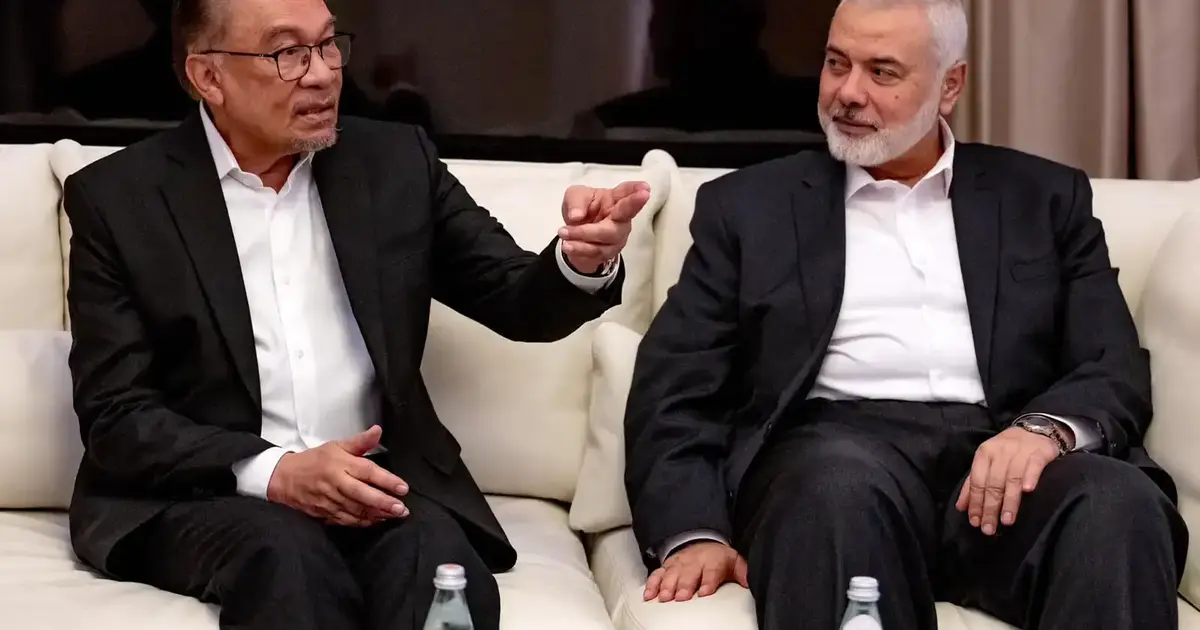
Prime Minister Anwar Ibrahim has firmly rejected assertions that Malaysia served as a training ground for Hamas operatives, characterising the allegations as unfounded and without substantive evidence. The denial comes amid international scrutiny of Malaysia's diplomatic relationships and its historical engagement with various Palestinian organizations and leaders.
Anwar disclosed that he had taken the initiative to communicate with US President Donald Trump regarding his previous encounters with Hamas leadership. This proactive disclosure appears intended to demonstrate transparency and forestall any misunderstandings that could arise from historical records of such meetings becoming public during diplomatic discussions. The revelation underscores the delicate balance Malaysia must maintain between its stated commitment to Palestinian causes and its strategic relationships with Western powers, particularly the United States.
The prime minister's comments reflect broader sensitivities around Malaysia's foreign policy positioning in the Middle East. Malaysia has long maintained nuanced relationships across the region, supporting Palestinian self-determination while also maintaining diplomatic and economic ties with various international partners. Such historical contacts with political and militant organizations are not uncommon among nations that have engaged extensively in Middle Eastern affairs and Palestinian solidarity movements.
The timing of these allegations raises questions about their origins and motivations. Various actors internationally have periodically raised concerns about alleged militant training operations in Southeast Asian countries, sometimes as part of geopolitical maneuvering or intelligence operations. Malaysia, as a significant Muslim-majority nation with considerable regional influence, has frequently been the subject of such scrutiny.
Anwar's decision to voluntarily discuss his past Hamas contacts with Trump suggests confidence in the substance of those meetings and their historical context. Such transparency in high-level diplomatic communications helps build trust and prevents misinterpretations that could damage bilateral relations. The approach reflects modern diplomatic practice where leaders increasingly address sensitive historical matters directly rather than allowing them to become sources of tension.
The denial also carries implications for Malaysia's regional standing and its relationships within Southeast Asia. Countries in the region maintain varied positions on Palestinian issues and Hamas, and Malaysia's handling of such allegations affects not only its ties with Washington but also its standing among ASEAN neighbors and broader international community members.
From a domestic perspective, addressing these claims publicly demonstrates the government's commitment to managing Malaysia's international reputation and ensuring that unfounded allegations do not undermine national interests. The prime minister's forthright denial sends a signal to both domestic audiences and international observers that Malaysia operates within accepted international norms and frameworks.
The Hamas designation and international perceptions of the organization create complexity for any nation that has engaged with Palestinian political structures. Different countries maintain different positions on whether Hamas represents a terrorist organization or a legitimate political and resistance movement, adding layers of diplomatic sensitivity to such allegations.
Anwar's engagement with Trump on this matter also reflects the current geopolitical environment where great power relationships and regional stability concerns weigh heavily on Malaysian foreign policy calculations. The United States remains a significant player in Asian security architecture, and maintaining constructive relations while pursuing independent policy positions requires careful diplomatic navigation.
Moving forward, Malaysia will likely continue facing questions about its historical and ongoing relationships in the Middle East. The government's approach of direct denial combined with proactive transparency in high-level diplomatic conversations appears designed to address such concerns while protecting national interests and international standing. This strategy seeks to distinguish between historical political engagement, which many nations undertake, and any alleged support for militant training operations, which would carry serious international legal and political consequences.
The incident underscores how historical diplomatic contacts continue to generate scrutiny in an era of heightened international security concerns and shifting geopolitical alignments. For Malaysia, managing perceptions around its Middle East engagement remains an ongoing diplomatic challenge requiring careful communication with multiple international partners simultaneously.

