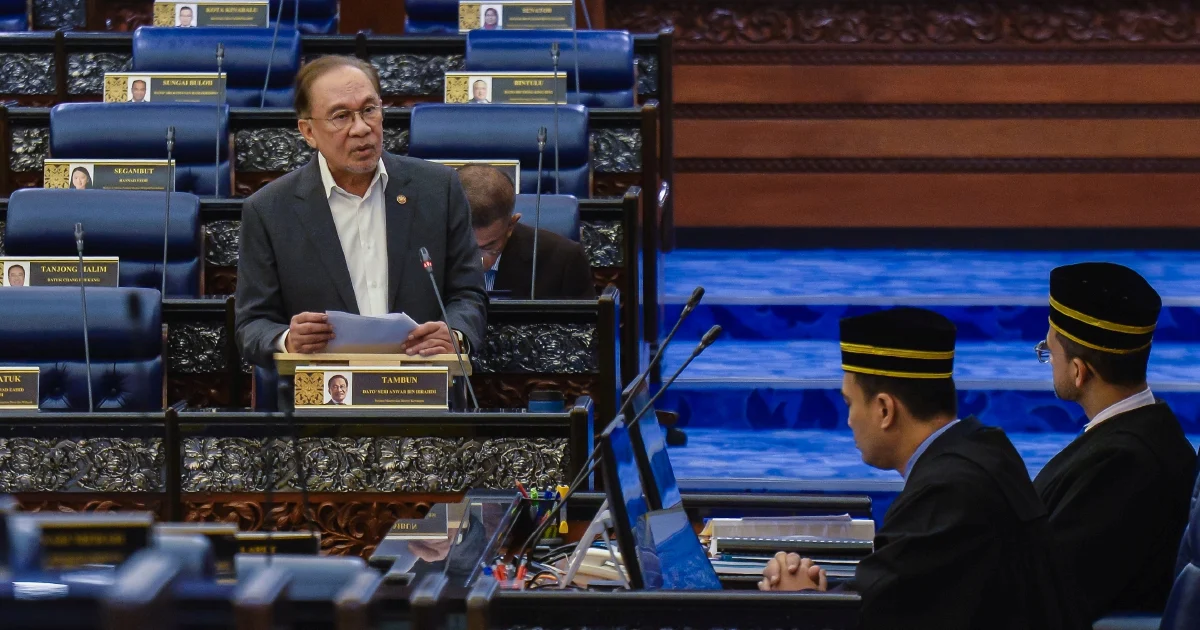
Prime Minister Datuk Seri Anwar Ibrahim has flatly rejected suggestions that he personally ordered the cancellation of the 2026 Johor Felda Settlers' Day celebration in Kluang, escalating efforts to contain a political controversy that has touched a sensitive constituency within Malaysia's agricultural and rural communities.
The cancellation announcement, made earlier this month, had sparked considerable dissatisfaction among Federal Land Development Authority (Felda) settlers and their representatives, who viewed it as a snub to a community that has historically formed a crucial voter bloc for several political parties. The event was slated to take place in Kluang, a district in Johor with deep roots in Felda's organisational structure and settlement programmes.
By publicly distancing himself from the decision, Anwar appears to be attempting damage control on multiple fronts. The denial suggests that responsibility for the cancellation may lie elsewhere within the government machinery, potentially with ministerial colleagues or state-level authorities. This shift in accountability raises questions about which government entity or official made the controversial call and the reasoning behind the move.
The Johor Felda Settlers' Day celebration carries symbolic importance beyond the celebration itself. For decades, such gatherings have served as platforms for government officials to engage with rural constituencies, deliver policy announcements, and reinforce political support among farming communities. The abrupt cancellation was therefore interpreted by observers as having broader implications for government-community relations in the agricultural sector.
Felda, established in 1956, remains one of Malaysia's largest land development agencies and continues to manage hundreds of thousands of hectares of land across multiple states. The movement has historically wielded considerable political influence, particularly in Peninsular Malaysia, where settler votes have proven decisive in several electoral contests. Any perception of government neglect towards Felda beneficiaries can reverberate through political calculations, especially with electoral cycles looming.
The timing of this incident also warrants scrutiny. Coming at a period when the government is juggling multiple policy priorities and administrative challenges, the controversy suggests coordination gaps between federal and state levels, or between different ministries responsible for agricultural and rural development. Such dissonance can undermine the unified messaging that governments typically aim to project.
Anwar's strategy of denial rather than explanation or apology indicates confidence that the issue can be contained without escalating into a larger political crisis. However, his refusal to explain who made the decision or on what grounds leaves the matter unresolved, potentially allowing dissatisfaction to fester among affected communities. Rural constituencies, in particular, tend to have long memories regarding perceived slights from the federal government.
The incident reflects broader tensions that sometimes emerge between centralised government decision-making and the expectations of specific interest groups or regional communities. While the Prime Minister's office may have deemed the cancellation necessary for budgetary, logistical, or policy reasons, the failure to manage the announcement tactfully has resulted in a narrative of governmental indifference toward Felda settlers.
For the Malaysian government, particularly one that has emphasised rural development and farmer welfare in its policy agenda, such controversies carry reputational costs. The perception that celebrations honouring agricultural communities can be cancelled without consultation or clear justification risks eroding trust among stakeholder groups that the administration depends upon for political support and policy implementation.
Moving forward, the government faces pressure to either reinstate the event or provide a transparent explanation that addresses settler concerns. A continued wall of silence, with Anwar firmly denying personal involvement while others remain equally non-committal, may intensify speculation and criticism. In the political arena, inaction frequently speaks louder than words, and the failure to respond constructively to community grievances can be interpreted as indifference.
The Kluang controversy also serves as a reminder that even seemingly routine administrative decisions—such as cancelling an annual celebration—can acquire political significance in Malaysia's electoral and community dynamics. Rural communities that have historically supported various governments expect recognition and engagement in return. When such events are discontinued without adequate explanation, it can signal shifting political priorities or resource allocation that unsettles traditional support bases.
As the 2026 date approaches, the government will need to decide whether to proceed with alternative arrangements or restore the original plan. The current stalemate, with the Prime Minister denying involvement but the cancellation remaining in place, satisfies neither the affected communities nor addresses the underlying question of governance transparency and community consultation in policy implementation.

