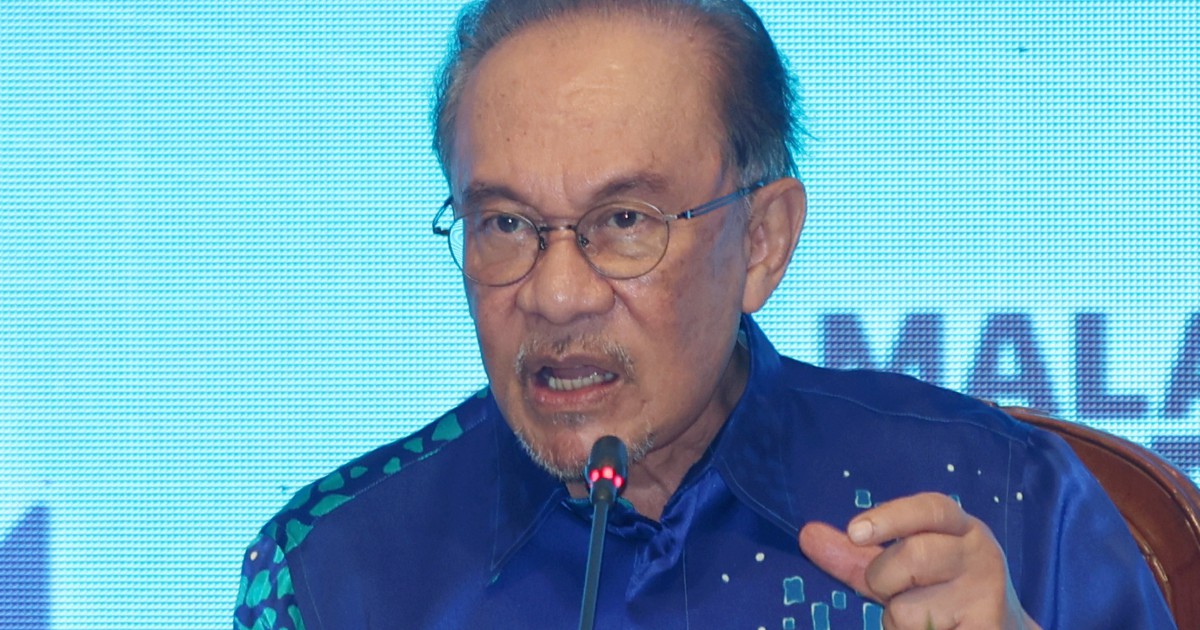
Prime Minister Datuk Seri Anwar Ibrahim has publicly defended a major restructuring of Malaysia's special lottery draw schedule, announcing that the government will operate only eight such draws annually compared to the previous 22. Speaking at Permatang Pauh, Anwar clarified that this decision reflects the administration's fundamental stance against gambling activities and represents a deliberate policy shift rather than a revenue-cutting measure.
The reduction marks a significant departure from the lottery framework that had operated for years, effectively cutting special draws by more than 60 percent. This move has drawn attention as it signals the government's intent to align public gambling policy with stated Islamic and moral principles that have long featured in the political discourse across Malaysia. For a nation where lottery operations have historically generated substantial revenue for various state governments and federal initiatives, the decision represents a notable recalibration of how the state engages with gambling-related revenue streams.
Anwar's personal opposition to gambling has been consistent throughout his political career, rooted in Islamic teachings that he frequently invokes when discussing moral governance. By framing the lottery reduction through this lens, the Prime Minister positions the policy not as an economic constraint but as a values-based choice aligned with his administration's broader governance philosophy. This approach attempts to address criticism from religious constituencies while simultaneously managing expectations among stakeholders dependent on lottery revenues.
The lottery system in Malaysia has traditionally operated through entities like Magnum 4D, Sports Toto, and Da Ma Cai, which collectively generate billions in annual turnover. Special draws—typically held during festive seasons and national celebrations—have represented premium revenue opportunities for these operators and contributed meaningfully to government coffers through licensing fees and taxation. The transition from 22 to eight annual special draws will consequently reduce both operator earnings and public revenue from this channel, requiring affected organizations to adjust their business models accordingly.
State governments, particularly those reliant on lottery-related revenue for social programmes and infrastructure, may face budgetary pressures as a result of this restructuring. However, the federal government could argue that reduced gambling availability aligns with broader public health objectives and cultural values that resonate with significant segments of the Malaysian electorate, particularly in more conservative states. This creates a complex policy trade-off between maintaining traditional revenue sources and advancing a values-driven governance agenda.
The timing of this announcement reflects broader discussions within the government about moral hazards associated with widespread gambling accessibility. Malaysia has experienced growing concerns about gambling addiction, particularly among younger demographics and lower-income households, where lottery participation can constitute an unsustainable financial drain. By reducing draw frequency, policymakers implicitly acknowledge these social costs while attempting to strike a balance between prohibition and practical reality.
For Southeast Asian observers, Malaysia's approach offers an instructive case study in how governments navigate tension between fiscal considerations and religious or moral frameworks. Unlike some regional peers that have legalized or expanded gambling operations to boost tourism and revenue, Malaysia's direction suggests an alternative model emphasizing conservative social policy. This positioning appeals to constituencies that view gambling as incompatible with Islamic principles and national values, even if it creates economic trade-offs.
The reduction will likely benefit other forms of entertainment and investment, as consumers previously directed toward lottery draws may redirect discretionary spending elsewhere. Financial institutions and consumer-focused sectors could potentially capture some of this redirected expenditure, though the aggregate economic effect remains uncertain. Operators holding lottery concessions will need to communicate clearly to stakeholders about how they plan to sustain operations and employment with significantly reduced special draw revenue.
Anwar's public defence of this policy suggests the government anticipates potential backlash and has prepared communications emphasizing the moral and social rationale. By personalizing the position through his own anti-gambling convictions, the Prime Minister attempts to frame the decision as authentic leadership rather than bureaucratic recalibration. This rhetorical strategy carries particular weight in Malaysian political discourse, where leaders' adherence to Islamic principles frequently influences public perception of legitimacy and sincerity.
The transition from 22 to eight special draws represents just one element within a larger governance framework addressing vice industries and social behaviours. Implementation will require coordination between federal authorities, state governments, and licensed operators to ensure smooth transition and minimize economic disruption. Questions remain about enforcement mechanisms and how the government will handle potential efforts to circumvent official restrictions through underground or regional lottery operations.
Looking forward, this policy decision may establish precedent for future restrictions on gambling availability and signals that Anwar's administration prioritizes alignment with Islamic governance principles even at the cost of foregone revenue. Whether other vice-related industries face similar scrutiny—including cigarettes, alcohol, and online gambling platforms—remains to be seen. The lottery reduction provides an early indication of the administration's willingness to impose moral constraints on economic activity when such constraints align with its stated values and constituencies.

