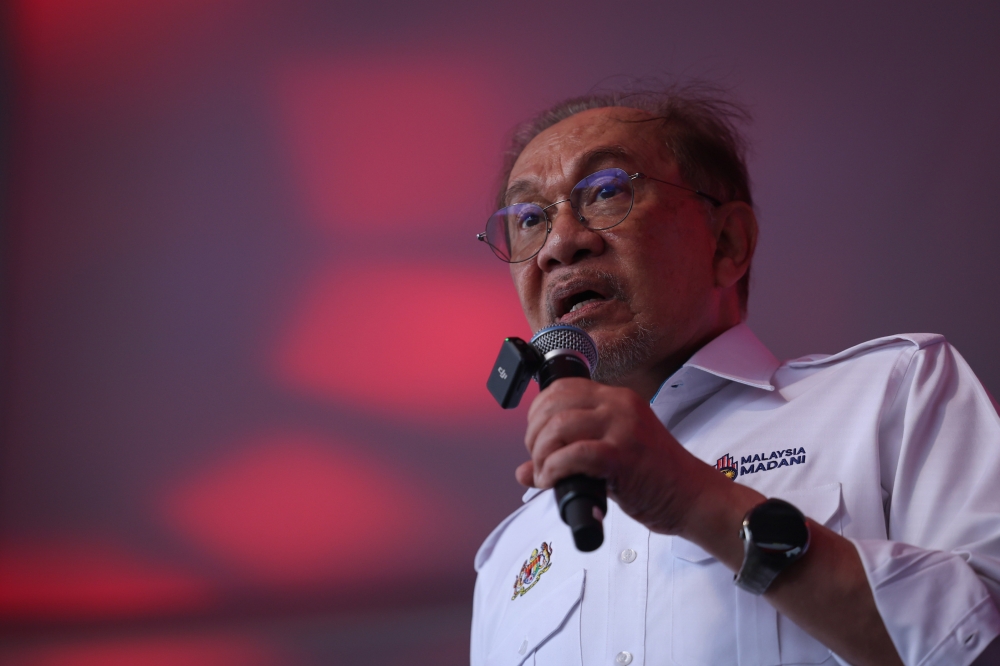
Prime Minister Datuk Seri Anwar Ibrahim launched a sharp rebuke at the opposition Perikatan Nasional on August 11, accusing the coalition of abandoning Tabung Haji depositors in their pursuit of political advantage. The accusation came during heated parliamentary proceedings that saw opposition members stage a dramatic walkout from discussions centring on a Royal Commission of Inquiry into the pilgrimage fund's long-standing financial crisis.
The confrontation underscores deepening divisions within Malaysia's legislature over how to address the mounting challenges faced by Tabung Haji depositors, whose savings have been trapped in a fund beset by management failures and investment losses spanning years. The prime minister's comments reflect government frustration with what it characterises as obstructionist behaviour from the opposition benches, suggesting that political posturing has superseded substantive engagement with affected communities.
Tabung Haji's financial predicament has become increasingly urgent, with hundreds of thousands of Malaysians relying on the fund for pilgrimage savings and retirement income. The establishment of the Royal Commission represented a significant step toward investigating the mismanagement that contributed to the fund's deterioration, making parliamentary scrutiny of its findings and recommendations crucial for restoring depositor confidence. Anwar's intervention signals that the government views opposition obstruction of this process as particularly egregious given the human cost of Tabung Haji's difficulties.
The walkout by Perikatan Nasional MPs during the RCI debate represents a calculated political move that nonetheless risks damaging public perception of the opposition's commitment to defending ordinary Malaysians' interests. Tabung Haji depositors span the entire political spectrum, particularly among lower and middle-income groups for whom the fund represents essential savings. The withdrawal from parliamentary proceedings denies opposition parliamentarians a platform to scrutinise government handling of the crisis while simultaneously appearing to abandon the very constituents they claim to represent.
Anwar's government has positioned itself as actively addressing Tabung Haji's structural problems through legislative and administrative reforms. The prime minister's criticism appears designed to reinforce this narrative while exposing what the government views as opposition hypocrisy—claiming to champion the interests of depositors while simultaneously refusing to participate in mechanisms designed to improve oversight and accountability. This political strategy carries real implications for how ordinary Malaysians perceive their elected representatives' commitment to resolving the fund's challenges.
The Tabung Haji issue carries particular resonance in Malaysia's political economy given the fund's cultural and religious significance within the Muslim-majority nation. For many depositors, particularly those from Bumiputera communities, the fund represents more than financial savings; it embodies trust in state institutions to safeguard resources intended for religious obligation. Years of mismanagement have eroded this trust, and parliamentary dysfunction threatens to deepen public cynicism about whether political institutions can effectively address institutional failures affecting vulnerable populations.
The opposition's parliamentary strategy may reflect broader calculation about how to position itself ahead of potential future electoral contests. However, the sustainability of such tactics depends on public acceptance that opposition obstruction serves legitimate oversight purposes rather than pure partisan calculation. By walking out of RCI discussions, Perikatan Nasional risks the perception that it prioritises confrontation over constructive engagement with mechanisms genuinely intended to investigate wrongdoing and protect depositors.
Regional perspectives on Malaysia's political dynamics often highlight concerns about institutional functionality and democratic governance. Parliamentary walkouts and heated recriminations between government and opposition, particularly when ostensibly directed at protecting vulnerable constituencies, can undermine confidence in democratic institutions among both domestic and international observers. The Tabung Haji debate thus extends beyond a domestic political disagreement to reflect broader questions about whether Malaysia's legislature can effectively balance partisan competition with substantive policy work.
The Royal Commission of Inquiry itself represents an important institutional mechanism for investigating complex financial wrongdoing beyond the reach of routine parliamentary scrutiny. Its recommendations carry potential significance for long-term reforms to Tabung Haji's governance structure and operational practices. Opposition engagement with RCI findings and government responses constitutes a legitimate forum for accountability, meaning that withdrawal from these debates arguably forfeits opportunities for meaningful oversight that extend beyond parliamentary grandstanding.
As depositors continue awaiting resolution of their financial circumstances, the political theatre surrounding the RCI investigation potentially diverts attention from substantive discussions about compensation mechanisms, governance restructuring, and timeline for financial recovery. Anwar's accusations reflect government frustration that opposition priorities appear divorced from depositor interests, though critics might counter that truly independent oversight requires opposition scepticism of official narratives regarding the crisis and its remedies.
Moving forward, the credibility of both government and opposition may depend on demonstrating genuine commitment to Tabung Haji resolution through constructive parliamentary engagement rather than symbolic walkouts or pointed accusations. Malaysian voters, particularly those directly affected by the fund's deterioration, will increasingly scrutinise whether their representatives prioritise institutional accountability or partisan positioning when evaluating electoral choices in coming years.

