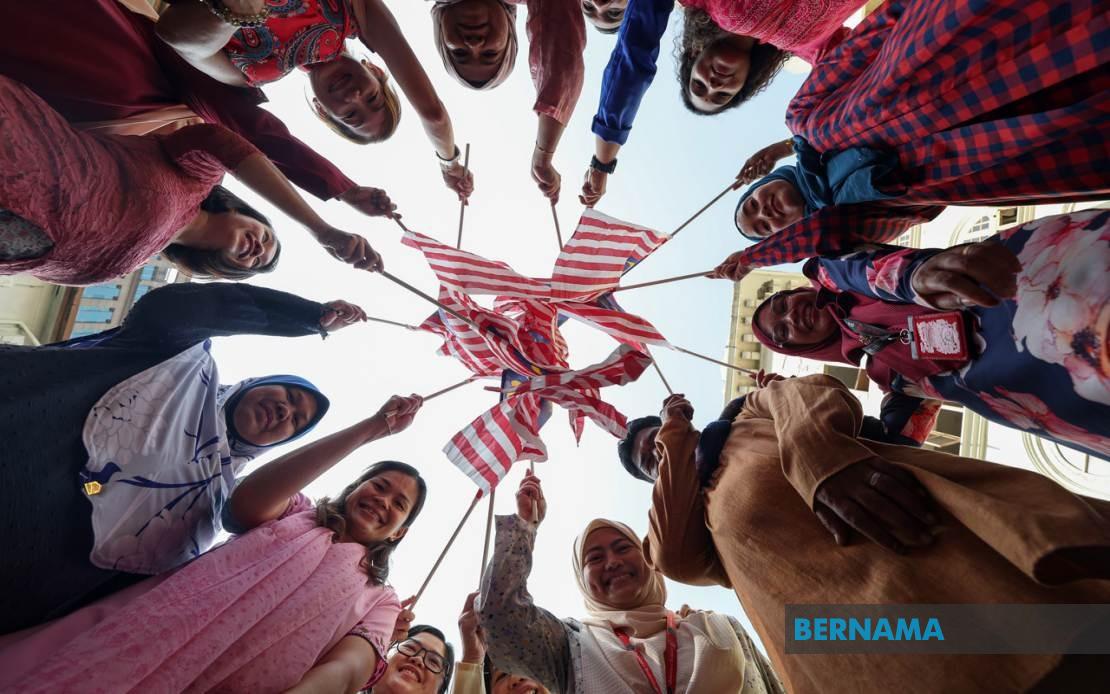
Prime Minister Datuk Seri Anwar Ibrahim has issued a broad appeal to Malaysians to actively safeguard their nation while cementing social cohesion, framing unity as the essential pillar upon which the country's continued prosperity depends. Speaking on the eve of Malaysia's 69th National Day, Anwar positioned independence not merely as a historical achievement but as an ongoing responsibility requiring vigilance and collective commitment from citizens across all ethnic backgrounds and regions.
In his characterization of national independence, Anwar described it as the freedom to determine one's own future path while drawing strength from a dignified population and a sovereign state. This framing reflects a deeper philosophical stance on what Malaysia's independence signifies beyond the formal transfer of political authority that occurred decades ago. The prime minister's message underscores that maintaining independence demands active participation and conscious effort from the general population, rather than treating it as a static accomplishment requiring no further engagement.
Anwar specifically highlighted the diverse ethnic composition of Malaysia as a fundamental source of national strength. By naming the Malay, Chinese, Indian, Iban, Kadazan, Murut, Bidayuh and Orang Ulu communities in his video message, he sought to communicate that Malaysia's diversity represents its primary asset rather than a potential liability. This enumeration serves a symbolic purpose beyond mere cataloguing, acknowledging the distinct cultural and historical contributions of each community to the national fabric.
The prime minister stressed that Malaysian interests must supersede narrower ethnic and regional considerations. This emphasis reflects ongoing concerns about the potential for divisive communal politics to undermine national cohesion, a persistent challenge in Malaysian society. By positioning national welfare above parochial concerns, Anwar attempted to appeal to a broader sense of shared destiny that transcends traditional identity-based allegiances and political divisions.
Central to Anwar's message was the argument that contemporary Malaysians have inherited achievements built upon the sacrifices of previous generations. He invoked the notion that nothing the current population enjoys came without considerable effort, hardship and loss from those who preceded them. This intergenerational framing aims to instil a sense of obligation and stewardship, suggesting that today's Malaysians bear a responsibility to protect and advance what their forebears struggled to establish.
Anwar called for Malaysia to be recognized internationally and domestically as a nation committed to delivering justice equitably across its population. Significantly, he emphasized that such justice must extend to marginalized and sidelined communities, acknowledging existing inequalities within the Malaysian system. This commitment to inclusive justice represents an important dimension of his vision for national progress, moving beyond ceremonial calls for unity to address substantive concerns about fairness and opportunity distribution.
The prime minister's exhortation for Malaysians to function as a unified team reflects an attempt to reframe the upcoming National Day celebrations as more than ceremonial observances. Rather, he presented them as moments for genuine reflection on national priorities and renewed commitment to collective action. His call to preserve unity and boost national spirit suggests recognition that such cohesion requires constant reinforcement and conscious cultivation.
Anwar's message arrived during a period when Malaysia navigates complex social and political terrain. The emphasis on defending the country with collective might can be interpreted as a call to rally against various perceived threats—whether external challenges to national interests or internal forces promoting division. The language of defence suggests vigilance against forces that might undermine the achievements and stability Malaysians have built.
The broader context for Anwar's appeals involves Malaysia's positioning in a rapidly changing regional environment. Southeast Asian nations face evolving security challenges, economic pressures and social transformations that require cohesive national responses. Malaysia's ability to manage these challenges effectively depends significantly on maintaining internal harmony across its diverse population. Anwar's emphasis on unity should be understood partly as a recognition of this external imperative.
The announcement that Malaysia's 69th National Day would be celebrated under the theme "Malaysia MADANI: Kesejahteraan Dinikmati" (Malaysia MADANI: Shared Prosperity) provides additional context for Anwar's messaging. This theme emphasizes inclusive prosperity and well-being distributed across Malaysian society, aligning with his emphasis on justice for all communities and the collective achievement of national goals. The deliberate choice of theme suggests coordinated effort to frame national celebrations around substantive commitments to improved living standards and equitable development.
For Malaysian readers, Anwar's message resonates with persistent debates about national identity and social cohesion in an ethnically and religiously diverse democracy. His specific naming of multiple indigenous groups alongside the three major ethnic communities represents an attempt at more comprehensive national inclusion than sometimes appears in political discourse. This inclusive framing carries implications for how different communities perceive their stake in the national project.
The timing of these appeals—delivered immediately before National Day celebrations—demonstrates their function as frameworks through which Malaysians should interpret upcoming festivities. Rather than allowing celebrations to pass as routine annual events, Anwar positioned them as opportunities for genuine rededication to national values and collective responsibilities. This approach transforms National Day from commemoration into a moment for renewed commitment and reflection on shared future directions.

