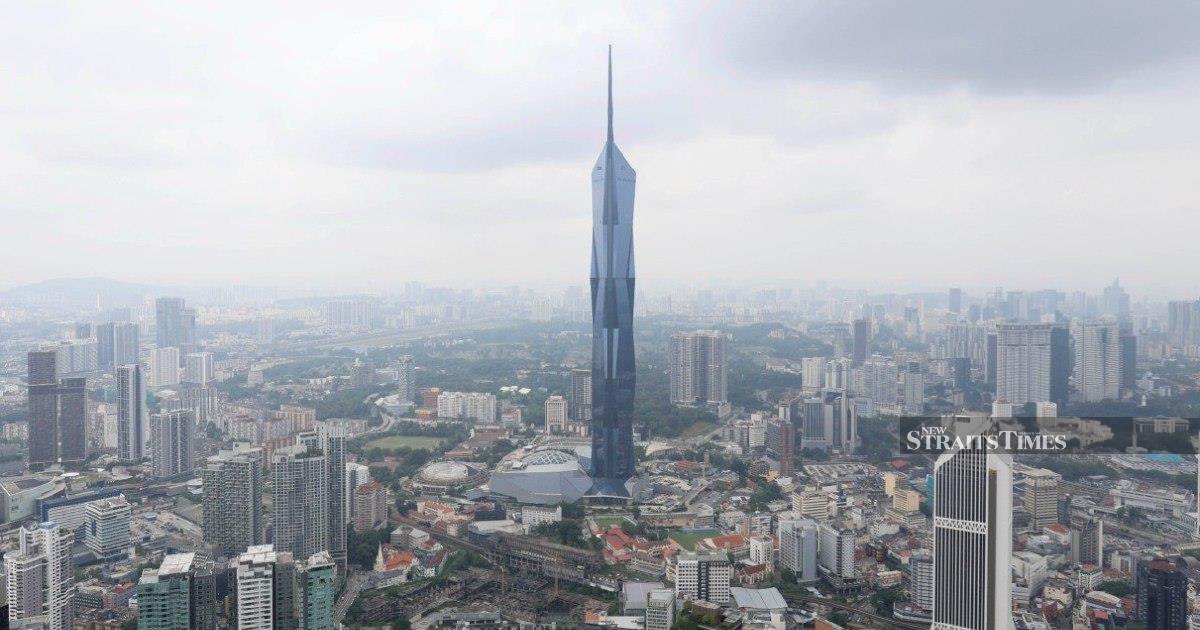
Prime Minister Datuk Seri Anwar Ibrahim has made a direct appeal to Malaysians to pray for relief from the haze that continues to affect the country as it approaches the August 31 National Day celebrations. Speaking from Cyberjaya, the PM acknowledged the persistent air quality challenges facing the nation and sought spiritual intervention to ensure the iconic national commemoration can proceed without the environmental disruptions that smoke haze typically brings to public gatherings and outdoor ceremonies.
The appeal reflects growing anxiety within Malaysia's leadership about the annual haze phenomenon that has plagued Southeast Asia for decades. National Day represents one of the most important civic occasions in the Malaysian calendar, featuring large-scale ceremonies, parades, and public gatherings across the nation that bring together communities in celebration of national unity and independence. The timing of Anwar's remarks, made ahead of the August 31 date, suggests that meteorological forecasts may not yet guarantee clear skies for the festivities.
Air pollution from transboundary haze, predominantly originating from land-clearing activities and forest fires in neighbouring Indonesia, has become a seasonal crisis for Malaysia. The phenomenon intensifies during the dry season, typically affecting visibility, respiratory health, and quality of life across the peninsula and East Malaysia. Previous years have witnessed Air Pollutant Index readings reaching hazardous levels, forcing the cancellation or modification of outdoor events and prompting health warnings from authorities. Schools have occasionally closed, and businesses have adjusted operations during peak haze episodes.
The Prime Minister's invocation of prayer as a response to environmental challenges carries cultural and religious significance in the Malaysian context, where Islam is the federation's religion and interfaith spirituality is deeply embedded in the national ethos. However, the appeal also underscores a sobering reality: despite decades of diplomatic efforts and bilateral agreements with Indonesia regarding sustainable land management, Malaysia remains vulnerable to air quality fluctuations largely beyond its direct control. The Ministry of Natural Resources, Environmental and Water Resources has developed contingency protocols for managing haze emergencies, yet prevention ultimately depends on transnational cooperation and regional environmental governance.
The National Day period demands meticulous planning for ceremonial events that often involve the King, government officials, and hundreds of thousands of civilians gathering in outdoor spaces. Poor air quality not only compromises the aesthetic experience of patriotic celebrations but poses genuine health risks, particularly for children, the elderly, and those with pre-existing respiratory conditions. Previous haze episodes during Independence Day commemoration have forced organizers to relocate events indoors or postpone components, creating logistical headaches and diluting the ceremonial atmosphere that such occasions demand.
Malaysia's experience with transboundary haze has catalysed regional environmental diplomacy efforts, including the ASEAN Agreement on Transboundary Haze Pollution, to which Indonesia and Malaysia are signatories. However, enforcement challenges, inadequate penalties for violators, and competing economic interests in land development have limited the treaty's effectiveness. Environmental organizations have repeatedly called for stricter implementation mechanisms and greater investment in monitoring systems to detect and deter illegal burning before it escalates into catastrophic air pollution episodes.
The scientific community has documented clear links between haze exposure and increased hospital admissions for asthma, bronchitis, and cardiovascular complications. During peak haze periods, Malaysia has recorded Air Pollutant Index readings exceeding 400, classified as hazardous by international standards. Public health campaigns intensify during such episodes, with authorities distributing N95 masks and advising vulnerable populations to remain indoors. The economic impact extends beyond healthcare costs to include reduced tourism, disrupted commerce, and decreased agricultural productivity.
Anwar's statement also reflects the broader tension between Malaysia's development aspirations and environmental sustainability. As the country pursues economic growth and urban expansion, balancing regional cooperation on environmental matters with bilateral commercial relationships requires diplomatic finesse. Indonesia's palm oil and timber industries, while economically significant for the nation, depend partly on land-clearing practices that contribute to haze. Finding common ground between development imperatives and environmental protection remains an ongoing challenge for both nations.
The Ministry of Environment and Water has implemented real-time air quality monitoring systems across Malaysia's major urban centres, providing residents with timely information to make health decisions. During the haze season, these systems become invaluable tools for public health coordination. Nevertheless, reactive measures, while necessary, cannot substitute for proactive regional environmental stewardship and transnational enforcement of sustainable land management protocols.
As Malaysia counts down to August 31, the question of air quality remains uncertain. While prayers may offer spiritual solace, the practical imperative for Malaysian and Indonesian governments to strengthen collaborative environmental governance has never been more evident. The success of National Day celebrations ultimately depends not only on meteorological fortune but also on the region's commitment to addressing the structural environmental challenges that produce recurrent haze crises.

