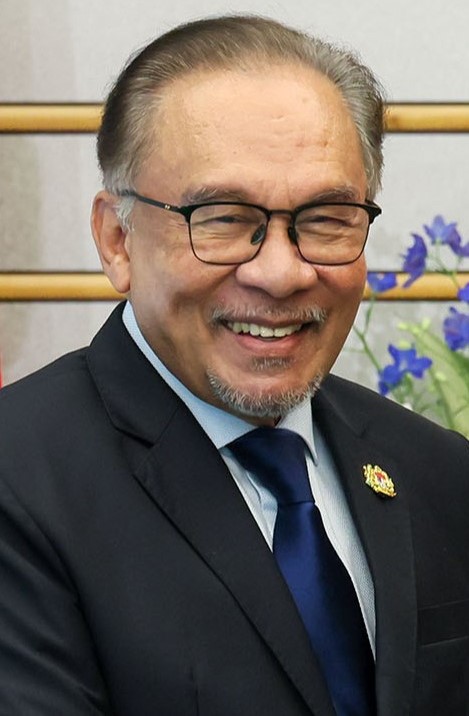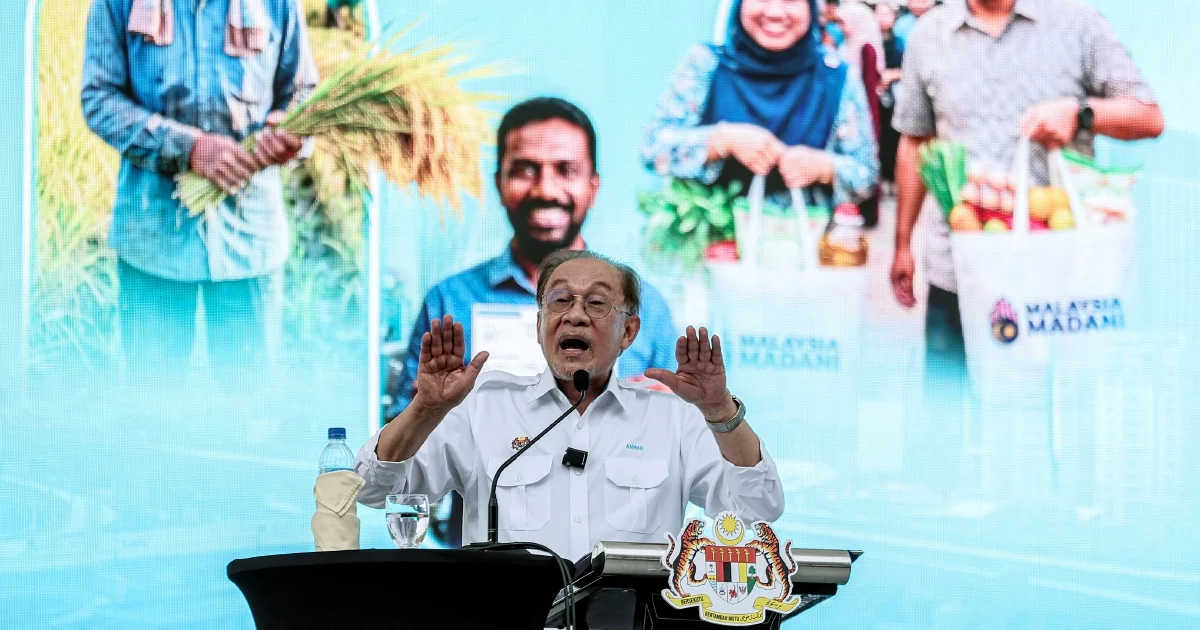
Prime Minister Anwar Ibrahim has unveiled a significant financial uplift for Malaysia's community policing infrastructure, announcing that Neighbourhood Watch Areas will receive substantially increased annual grants starting next year. The government has approved raising the annual funding allocation to RM10,000 per Neighbourhood Watch Area nationwide, representing a 67 percent jump from the existing RM6,000 grant, with disbursements scheduled to commence on January 1, 2027. The announcement was made during an official visit to Segamat, signalling the administration's commitment to strengthening grassroots security and community engagement mechanisms across the nation.
This funding boost carries particular significance for Malaysia's decentralised approach to public safety, which relies substantially on neighbourhood-level coordination and volunteer participation. Neighbourhood Watch Areas serve as the frontline mechanism through which residents engage with local security concerns, organise patrols, and maintain communication with official enforcement agencies. By increasing the financial resource base available to these community groups, the government aims to expand their capacity to implement awareness campaigns, conduct training programmes, and purchase essential operational equipment that enhances their effectiveness.
The RM4,000 annual increase per group, whilst moderate in absolute terms, represents material relief for organisations that typically operate with minimal budgets. Many Neighbourhood Watch Areas across both urban and rural Malaysia have historically faced constraints in acquiring communication devices, safety equipment, and materials for community engagement programmes. The enhanced funding provides these grassroots organisations with greater flexibility to execute their mandates more comprehensively and respond to emerging local security challenges without depleting limited volunteer resources.
For Malaysian policymakers, this announcement reflects a broader strategic emphasis on community-based security governance rather than purely enforcement-centred approaches. The decision prioritises partnership between residents and authorities, recognising that sustainable public safety emerges from active engagement at the neighbourhood level. This philosophy aligns with international best practices in community policing, where local stakeholder involvement has demonstrated measurable impact on both crime prevention and residents' sense of security.
The timing of the implementation, set for the start of 2027, allows Neighbourhood Watch Areas approximately nine months to prepare for the enhanced funding schedule. Groups will need to establish updated budgeting frameworks and plan how the additional resources will be deployed most effectively within their respective communities. Some organisations may prioritise infrastructure investments, whilst others might emphasise training and capability development for their volunteer members.
Regionally, Malaysia's investment in community-level security infrastructure positions the country within a broader Southeast Asian context where neighbourhood vigilance plays an important role in maintaining public order. Indonesia's security culture similarly relies heavily on community participation through kelurahan and kampung organisations, whilst Singapore's Community Policing programme demonstrates how structured grassroots engagement can complement institutional law enforcement. Malaysia's enhanced commitment to funding these structures indicates confidence in the community-based security model as a sustainable long-term approach.
The announcement also carries implicit messaging about resource redistribution to local communities. During a period when government budgets face competing pressures, explicitly increasing allocations to Neighbourhood Watch Areas demonstrates political prioritisation of community safety concerns. This sends a signal to residents that grassroots organisations merit continued governmental support and that community participation in security matters remains valued within the national policy framework.
For residents themselves, the funding increase may translate into tangible improvements in neighbourhood-level services. Better-equipped watch groups can conduct more frequent patrols, operate more responsive communication networks, and conduct more comprehensive community education on security matters. These improvements may contribute incrementally to residents' perceived safety levels and their sense of empowerment within their immediate environment.
Looking ahead, the administration's announcement invites consideration of how these enhanced resources will be monitored and evaluated for effectiveness. Neighbourhood Watch Areas operate with significant autonomy, and without clear performance metrics or accountability frameworks, increased funding alone may not automatically translate into improved outcomes. Malaysian officials may need to develop complementary mechanisms for assessing how upgraded grants translate into measurable improvements in community safety perceptions and actual crime reduction.
The Segamat announcement also reflects Anwar Ibrahim's political engagement with smaller towns and regional communities. The decision to make this announcement outside Kuala Lumpur emphasises that community security concerns command attention across Malaysia's diverse geographic and demographic landscape, not merely in urban centres where professional policing infrastructure is most developed. This approach reinforces the government's broader messaging around inclusive governance that extends to smaller population centres.