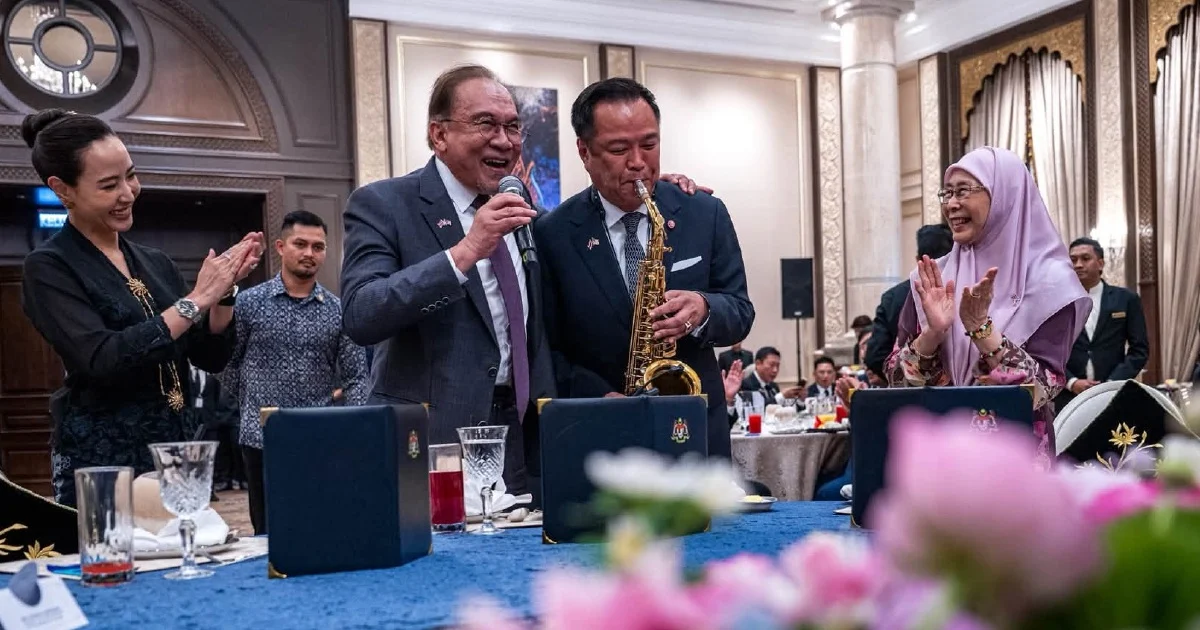
Prime Minister Datuk Seri Anwar Ibrahim and his Thai counterpart Anutin Charnvirakul seized an opportunity to inject some levity into formal diplomatic proceedings on Tuesday, delivering an unexpected musical performance at the conclusion of their bilateral discussions. The pair entertained guests at an official luncheon in Putrajaya with an off-the-cuff rendition of the classic Frank Sinatra standard My Way, demonstrating the thawing of relations between the two neighbouring Southeast Asian nations.
The moment reflected broader efforts by Malaysia and Thailand to strengthen bilateral ties at multiple levels. Beyond the formal agenda of bilateral talks—which typically encompass trade, security cooperation, and regional coordination—such personal interactions between leaders underscore the importance both governments place on building rapport and fostering goodwill. Diplomatic protocol often dictates rigid structures for high-level engagement, yet such informal moments can prove equally significant in establishing genuine working relationships.
Anutin, who holds the position of Deputy Prime Minister and represents Thailand's Bhumjaithai Party, is known for his colourful personality and willingness to engage in unconventional displays at official events. His participation in the musical interlude, which notably involved him playing the saxophone, aligned with his reputation for bringing a distinctive flair to diplomatic engagements. The performance itself became noteworthy enough to circulate widely on social media platforms, generating considerable attention among Malaysian and Thai audiences.
For Anwar, the moment offered an opportunity to project an image of a leader capable of balancing serious governance with measured moments of spontaneity and humour. Following contentious periods in Malaysian politics and his own journey to the office of Prime Minister, such displays of ease and interpersonal warmth carry symbolic weight. They suggest a leadership approach that values relationship-building alongside the traditional mechanics of statecraft.
The luncheon setting—casual yet official—proved conducive to such an unexpected performance. Unlike the formal conference halls where bilateral talks typically unfold, the dining context permitted greater flexibility in proceedings. This type of setting has long been recognized by diplomatic historians as particularly valuable, as it allows leaders to move beyond prepared statements and talking points into more genuine conversation and interaction.
The performance of My Way carries particular resonance in the context of Malaysian politics. The Sinatra composition, with its themes of independence and charting one's own course, has cultural resonance that many Malaysians recognize. That Anwar and Anutin selected this particular song suggests deliberation, though the impromptu nature of the performance lends it authenticity that scripted musical numbers might lack.
From a regional perspective, such moments of cordial engagement between Malaysian and Thai leadership remain important given the historical complexities in bilateral relations. The two nations share maritime boundaries, economic interdependencies, and mutual security interests spanning decades. Regular high-level visits and substantive talks form the backbone of this relationship, yet the personal chemistry between leaders frequently influences the tone and receptiveness of cooperation on practical matters.
The viral nature of the performance on social media platforms demonstrates how modern diplomacy increasingly operates in a transparent environment. Where previous generations of diplomatic engagement might have remained confined to official channels and carefully vetted press releases, today's leaders find their informal moments instantly broadcast to millions. This reality requires contemporary diplomacy to account for public perception and the messaging conveyed through such interactions.
Thailand's interest in strengthening ties with Malaysia extends beyond bilateral matters to encompass broader regional stability concerns. As two major ASEAN economies with significant influence within the bloc, Malaysia and Thailand's level of cooperation influences the region's ability to address transnational challenges including maritime security, counterterrorism, and economic integration. The personal rapport established during such visits can facilitate smoother collaboration when navigating the complexities of regional diplomacy.
For observers of Southeast Asian affairs, such moments offer insight into the personalities and approaches different leaders bring to governance. Anutin's willingness to participate in creative diplomatic gestures reflects Thailand's approach to regional engagement, while Anwar's participation signals openness to less formal modes of diplomacy. Both qualities suggest a commitment to moving bilateral relations forward through multiple channels—official protocols and personal connection alike.
The luncheon performance will likely remain a minor footnote in the official record of the bilateral visit, yet it may prove memorable to those present and to audiences who viewed recordings of the event. In an era when political leadership frequently attracts controversy and criticism, moments of genuine levity and human connection between leaders carry unexpected value. They remind publics that even those occupying the highest offices remain capable of shared human experience and humour.

