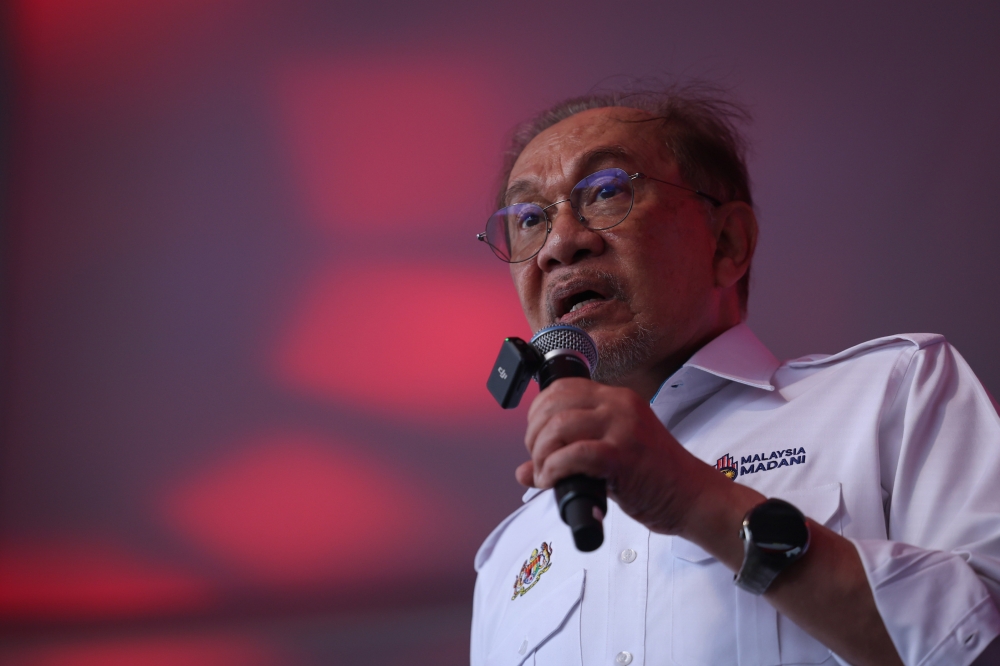
Prime Minister Datuk Seri Anwar Ibrahim has levelled sharp criticism at opposition lawmakers for what he characterises as a deliberate withdrawal from parliamentary accountability regarding Tabung Haji, Malaysia's embattled pilgrimage savings institution. The rebuke came after Perikatan Nasional representatives abandoned a parliamentary session debating the royal commission of inquiry into the fund's operations, a move that Anwar framed as abandonment of millions of depositors whose savings remain entangled in one of the nation's most contentious financial crises.
The Tabung Haji crisis has cast a long shadow over Malaysian politics and public trust in state-managed financial institutions. The fund, which pools savings from Muslim depositors intending to undertake the Hajj pilgrimage, accumulated serious governance and investment problems that triggered widespread concern among contributors and their families. The establishment of a royal commission of inquiry represents an official attempt to investigate the depth and causes of these failures, with implications for how such institutions are governed and monitored going forward.
Anwar's characterisation of the opposition's parliamentary absence as a betrayal strikes at broader questions about political responsibility and the treatment of citizens' life savings. For millions of Malaysian Muslims, contributions to Tabung Haji represent not merely financial transactions but religiously significant savings accumulated over years or decades with the sacred intention of performing the Hajj. The vulnerability of these deposits has therefore resonated far beyond typical financial sector debates, touching questions of trust, faith, and state stewardship.
The decision by Perikatan MPs to exit the debate rather than participate in questioning or scrutiny of the royal commission's mandate and parameters represents a tactical withdrawal that, according to Anwar, effectively silences these depositors' voices in the legislative chamber. Parliamentary debates on royal commissions, particularly those investigating institutional failures, serve as formal mechanisms through which elected representatives can ventilate public concerns, extract commitments from the government regarding implementation timelines, and ensure that inquiry recommendations receive serious consideration. The opposition's departure truncates this process.
For opposition lawmakers, the walkout may reflect deeper dissatisfaction with how the royal commission was constituted, its terms of reference, perceived delays in its operations, or scepticism about whether its findings will drive meaningful reform. However, Anwar's reframing of this protest as an abandonment of depositors represents a powerful counter-narrative that positions the government as defending citizen interests while opposition figures appear indifferent to ordinary Malaysians' financial plight. This rhetorical positioning has significant implications for public perception of which political forces genuinely prioritise accountability versus those performatively protesting institutional machinery.
The Tabung Haji situation exemplifies broader Southeast Asian concerns about the governance of religiously significant or socially sensitive financial institutions. Islamic finance and religiously mandated savings institutions occupy unique positions in Muslim-majority nations, where perceived mismanagement carries both financial and spiritual dimensions. Malaysia's experience with Tabung Haji governance failures therefore resonates with regional audiences and policymakers elsewhere grappling with similar institutional vulnerabilities in their own nations.
The royal commission mechanism itself, as employed in the Malaysian context, represents an attempt to navigate between formal criminal investigation and political accountability. These inquiries typically involve senior judicial or administrative figures examining institutional failures with powers to compel testimony and examine documents, yet without direct prosecutorial authority. The scope and independence of such commissions frequently become contested political territory, with governments and opposition accusing one another of either obstructing or manipulating inquiry processes.
Anwar's intervention in the parliamentary debate underscores the government's determination to associate itself with the depositors' cause while positioning opposition critics as obstacles to justice and accountability. This political framing becomes particularly potent given that Perikatan Nasional comprises factions that governed Malaysia under previous administrations, including periods when Tabung Haji's problems deepened. Opposition representatives may therefore face accusations that they resist scrutiny of their own periods in office, a vulnerability that explains their reluctance to engage comprehensively with formal accountability mechanisms.
The practical consequences of parliamentary walkouts extend beyond symbolic significance. Formal legislative debates generate official records that shape subsequent political discourse, influence media coverage, and provide fodder for long-term political narratives. Absence from these debates allows government figures to define the debate's terms and parameters without direct contradiction, potentially disadvantaging opposition parties in how their positions are subsequently portrayed to the public.
For Malaysian depositors awaiting clarity on their Tabung Haji contributions, the political theatre surrounding the royal commission inquiry underscores the intersection between their financial interests and partisan competition. While the commission itself operates outside formal party politics, the parliamentary debate regarding its mandate, scope, and adequacy becomes thoroughly politicised. Depositors consequently find their crisis absorbed into broader governmental and opposition positioning, with their interests sometimes subordinated to tactical political advantage.
The situation reflects longstanding tensions in Malaysian governance between institutions designed to ensure accountability and political forces that question their independence or effectiveness. The royal commission on Tabung Haji will ultimately produce findings and recommendations, yet political acceptance and implementation of these outcomes will likely depend substantially on how successfully the government and opposition frame the inquiry process itself as legitimate, comprehensive, and serving public rather than partisan interests.
As investigations proceed and the political dispute continues, Malaysian financial regulators and policymakers face the challenge of extracting lessons from Tabung Haji's governance failures to prevent similar crises affecting other state-managed institutions serving vulnerable populations. The political dimensions of this crisis, though contentious, reflect legitimate public interest in ensuring that such catastrophic institutional failures never recur and that responsible parties face appropriate accountability for their decisions.

