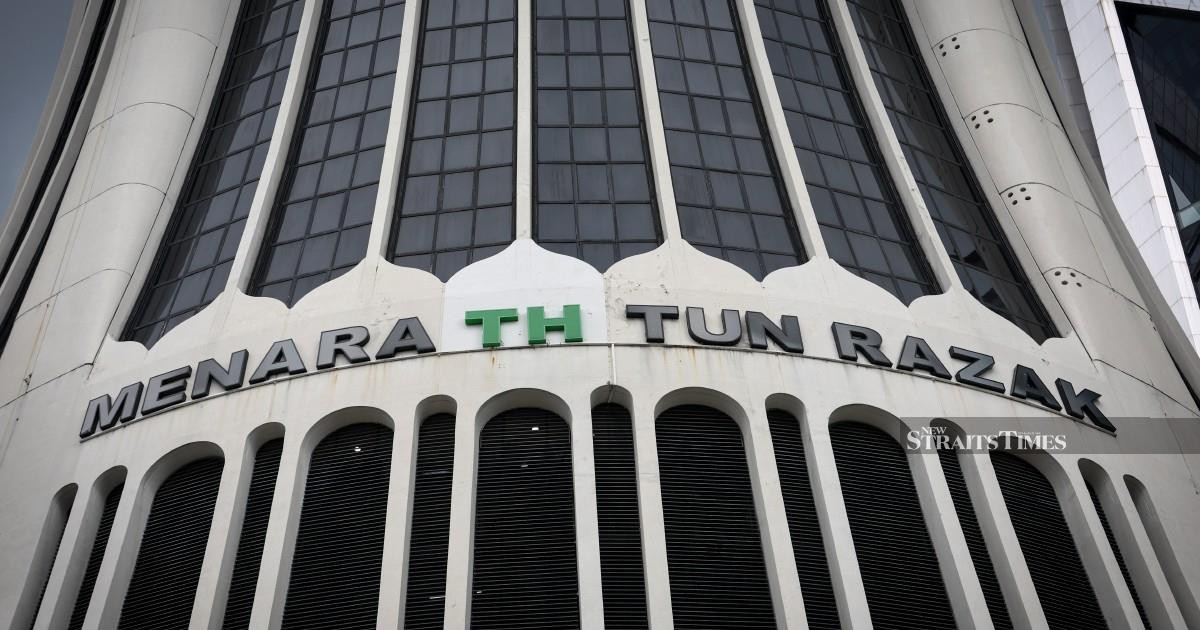
An anti-graft watchdog has pressed for sweeping reforms within Malaysia's National Audit Department, following the emergence of a substantial RM4.8 billion gap in financial figures between two independent investigations into the troubled Lembaga Tabung Haji. The discrepancy, uncovered through comparison of the Royal Commission of Inquiry report and the audit department's own financial assessment of the Islamic pilgrimage fund, has raised serious questions about the reliability of the nation's auditing mechanisms and the oversight of one of Malaysia's largest financial institutions.
The widening gap between these two authoritative sources signals potential systemic weaknesses in how Malaysian public institutions verify and report financial data. For a nation attempting to rebuild international confidence in its governance standards following years of high-profile corruption scandals, such discrepancies undermine efforts to demonstrate institutional rigour and accountability. The Tabung Haji controversy has already become emblematic of broader governance concerns, with the fund serving over 1.7 million contributors nationwide who depend on it for their hajj financing and savings.
The implications of this RM4.8 billion variance extend beyond mere accounting differences. Such substantial gaps suggest either fundamental inadequacies in the audit department's investigative methodologies, insufficient coordination between inquiry bodies, or potentially troubling gaps in financial record-keeping at Tabung Haji itself. For Malaysian savers and prospective pilgrims, discovering that multiple government bodies cannot align on basic financial figures raises uncomfortable questions about who bears ultimate responsibility for protecting their interests.
The Royal Commission of Inquiry, established to investigate systemic issues within Tabung Haji, represents the government's formal response to mounting public concern about the fund's management and financial health. Its findings carry significant weight in shaping policy responses and potential reforms. However, when the National Audit Department—the institution constitutionally mandated to scrutinise public fund management—produces divergent figures, it creates confusion about which assessment accurately reflects the fund's true condition and which areas require most urgent intervention.
The anti-graft watchdog's call for departmental review reflects mounting frustration with audit function effectiveness. Malaysia's National Audit Department operates as a constitutional institution with independence designed to ensure objective oversight of government finances. When questions arise about its capability to produce accurate and comprehensive assessments, the credibility of all its other audit work comes under scrutiny. Financial institutions, government agencies, and the public rely on audit reports to guide investment decisions and policy formation.
This situation carries particular significance for Southeast Asian governance observers. Malaysia's anti-corruption initiatives have attracted regional and international attention, with the country positioning itself as a leader in addressing governance challenges. Yet persistent discrepancies between major audit bodies demonstrate that institutional reform remains incomplete. Other nations in the region facing similar governance questions will scrutinise how Malaysian authorities respond to this crisis of confidence.
The path forward requires more than procedural adjustments. A genuine audit department review must examine underlying causes: whether existing audit staff possess adequate training and resources for complex Islamic finance scrutiny, whether coordination protocols between inquiry bodies require strengthening, or whether Tabung Haji's financial records themselves contain inconsistencies that multiple investigators are struggling to reconcile. Each scenario demands different remedial responses.
For contributors to Tabung Haji, this development intensifies concerns about fund management transparency and financial security. Many Malaysians view their Tabung Haji accounts as crucial savings vehicles, with funds accumulated over decades for pilgrimage purposes. When billions of ringgit cannot be accounted for in uniform fashion across official reports, faith in the fund's stewardship naturally erodes. This affects not only current members but also the fund's ability to attract new contributors.
The broader governance context matters significantly here. Malaysia has committed to international standards for public financial management and transparency. Discrepancies of this magnitude between domestic audit bodies risk damaging the country's standing as a reformed governance jurisdiction. International investors and development partners monitor how nations handle institutional failures; Malaysia's response to this audit department crisis will signal its commitment to genuine accountability reform versus cosmetic institutional restructuring.
Reforming the National Audit Department will likely prove complex, involving potential budget increases, staff recruitment and training programmes, updated audit methodologies, and stronger coordination frameworks with other investigative bodies. The watchdog organisation has effectively highlighted a critical vulnerability in Malaysia's financial oversight architecture. Converting this alarm into substantive institutional improvement requires political will and technical expertise working in concert.
The RM4.8 billion discrepancy ultimately represents more than a statistical anomaly requiring resolution through revised spreadsheets. It symbolises deeper questions about whether Malaysian institutions can reliably serve their mandates of public protection and financial stewardship. The anti-graft watchdog's demand for review acknowledges that something within the system requires fundamental reassessment and repair.

