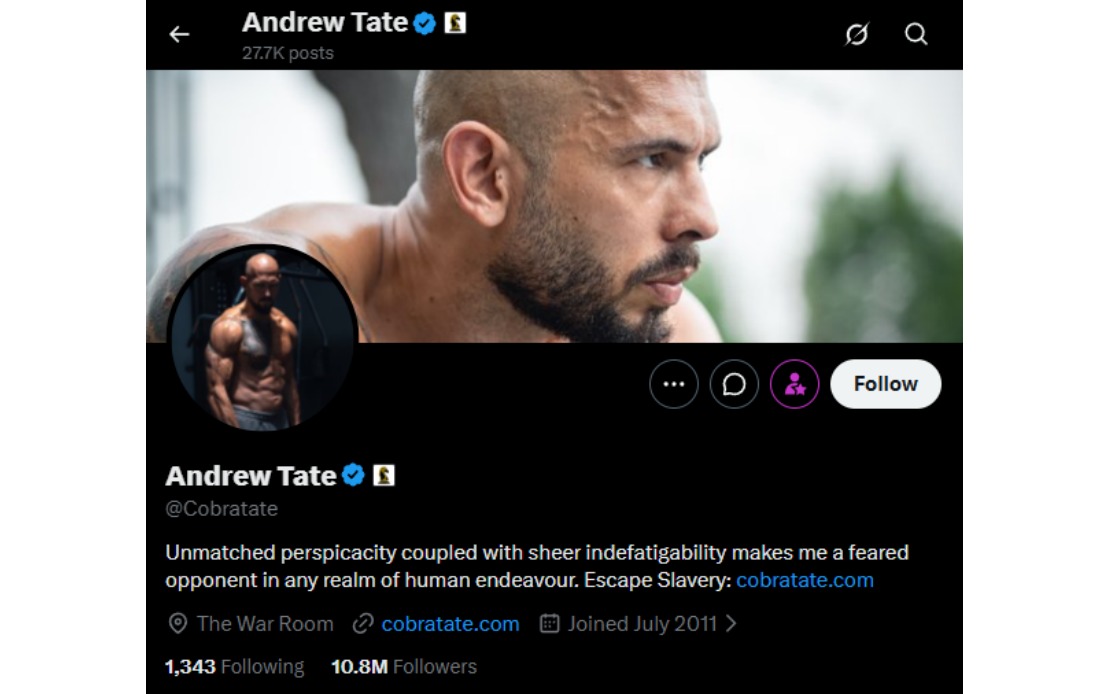
The arrest of social media personalities Andrew and Tristan Tate in Miami represents a significant development in an ongoing international legal saga that has drawn attention across multiple jurisdictions. According to reports citing ABC News, the US Marshals Service confirmed that both brothers were apprehended on Saturday, following the filing of new criminal charges by the United Kingdom's Crown Prosecution Service. The move demonstrates the coordinated efforts between American and British authorities in pursuing high-profile cases involving allegations of serious offences.
Andrew Tate, who rose to prominence through online platforms and controversial content centred on lifestyle and masculinity themes, has become one of the most divisive figures in contemporary digital culture. His brother Tristan, who operates within similar circles, has similarly cultivated a substantial following despite—or perhaps because of—their polarizing public personas. The brothers have maintained a significant presence across social media platforms, where they continue to influence younger audiences, making their legal troubles a matter of broader societal concern beyond the specifics of criminal allegations.
The charges filed by British prosecutors include rape and sex-trafficking offences, accusations that carry substantial prison sentences if the brothers are convicted. These allegations represent the most serious category of criminal conduct, and their filing through official channels reflects a formal determination by UK prosecutors that sufficient evidence exists to pursue formal charges. The severity of these allegations distinguishes them from earlier controversies surrounding the brothers' online activities and public statements, which had previously drawn criticism from civil society groups and online watchdogs.
The involvement of the US Marshals Service underscores the transnational nature of contemporary law enforcement operations. Extradition procedures, coordination between different legal systems, and mutual assistance treaties form the backbone of international criminal justice. For observers in Southeast Asia and beyond, the case illustrates how digital-age offences and the borderless nature of online influence create complex jurisdictional challenges that national authorities must navigate collaboratively. The presence of the Tates in American territory when arrested suggests either voluntary entry or the culmination of international coordination between agencies.
The timing and execution of the arrest, following the Crown Prosecution Service announcement, reflects the strategic choreography often employed in high-profile cases where multiple jurisdictions are involved. Coordinating announcements and arrests across time zones and international boundaries requires careful planning to prevent suspects from evading custody or jurisdictional complications. The nearly simultaneous disclosure of charges and apprehension demonstrates institutional coordination that has become increasingly refined in handling cases involving transnational elements.
For Malaysian readers and observers across Southeast Asia, this development carries implications for understanding how online influence intersects with accountability mechanisms. The Tate brothers' content, which promoted particular ideologies regarding gender, wealth, and masculinity, reached significant audiences in the region despite—or because of—their controversial nature. Their arrest suggests that even individuals with substantial digital followings and perceived immunity through platform prominence remain subject to criminal investigation and prosecution. This outcome may encourage reassessment of the relationship between social media popularity and legal responsibility.
The case also illuminates the evolving landscape of international law enforcement cooperation in the digital era. When online personalities develop global followings and may conduct activities affecting individuals across multiple countries, determining the appropriate jurisdiction and legal framework becomes complicated. The decision to prosecute through the British system reflects assessments about where alleged victims are located and where substantive harm occurred, considerations that shape the choice of venue and applicable law. Such jurisdictional questions will become increasingly important as digital influence continues to reshape social interaction across borders.
The broader context includes growing scrutiny of online content creators whose messages and activities may facilitate or normalize harmful behaviour. Regulatory bodies, platform operators, and law enforcement agencies have increasingly coordinated efforts to address situations where digital influence appears connected to real-world harm. The Tate case exemplifies this convergence, where accusations extend beyond speech or controversial ideas to allegations of concrete criminal conduct affecting identifiable victims. This distinction carries importance for ongoing debates about platform responsibility and the appropriate balance between protecting speech rights and preventing genuine harm.
From a Southeast Asian perspective, the arrest also reflects the region's broader engagement with international law enforcement frameworks. As Malaysian and other regional authorities develop capacity in investigating digital-era crimes, observing how established Western jurisdictions handle complex transnational cases offers instructive examples. The coordination demonstrated in the Tate brothers' case—from initial investigation through charge preparation to international apprehension—represents operational competence that developing enforcement systems may emulate as they mature.
Moving forward, the legal proceedings themselves will deserve close attention, particularly regarding what evidence British prosecutors present to substantiate their charges and how American courts manage any extradition proceedings. The outcomes will provide important guidance for understanding how different legal systems approach sex-trafficking allegations in the digital age, where online communication leaves extensive records but where jurisdictional complexity creates novel procedural challenges. For observers across the region concerned with emerging trends in international criminal law and online accountability, the Tate case exemplifies broader patterns in contemporary law enforcement that extend well beyond the particulars of these two individuals.

