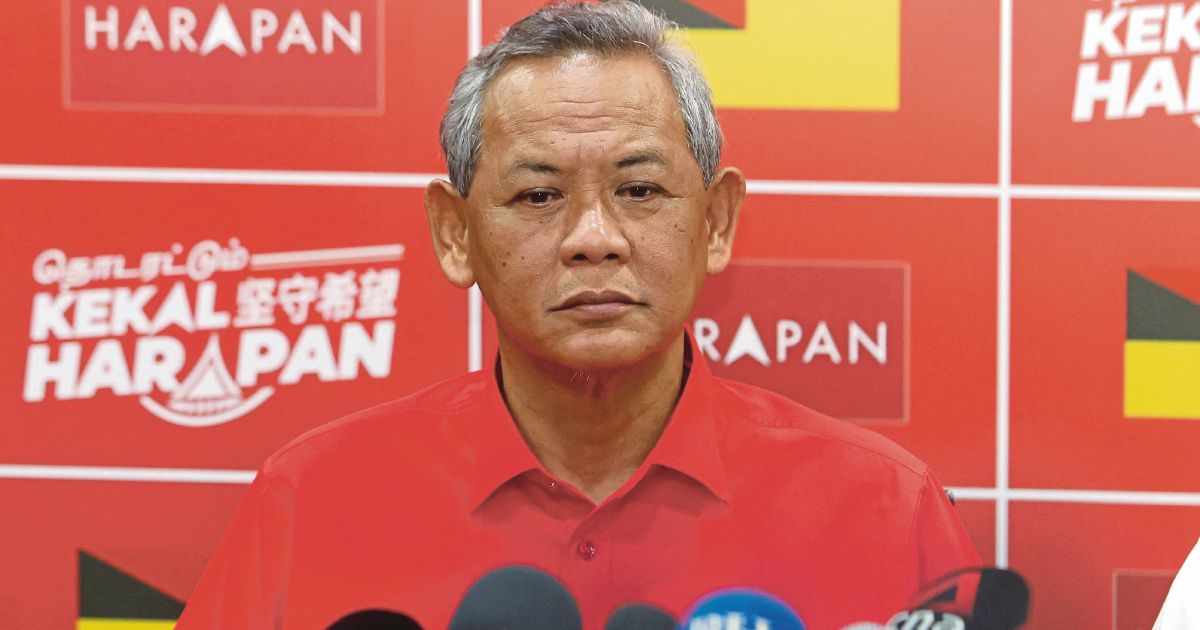
Datuk Seri Aminuddin Harun, who previously led the Negri Sembilan state government, has signalled his readiness to relinquish his role as Parti Keadilan Rakyat state chairman following disappointing results in the latest state election. The announcement underscores the political turbulence that continues to characterise Malaysia's ruling coalition as it grapples with successive electoral challenges at the state level.
Aminuddin's position as PKR's chief at state level had already become precarious given the party's performance at the ballot box. The recent election represented a significant test of the party's organisational strength and popular appeal in the state, metrics by which party leadership is increasingly being judged by grassroots members and senior political figures alike. His willingness to step down suggests he recognises the scale of the party's difficulties and accepts some measure of personal accountability for the outcome.
The former menteri besar, who served in that executive position before the political realignments that have characterised recent Malaysian politics, carries considerable clout within PKR's state structure. His decision to consider stepping aside is therefore noteworthy, as such moves by veteran party figures often precipitate broader internal discussions about party strategy, leadership quality, and the direction of political messaging. The timing of such announcements frequently signals to party members that substantive changes may be forthcoming at multiple levels of the party hierarchy.
Negri Sembilan's electoral dynamics have become increasingly competitive following shifts in the national political landscape. The state, which had previously been considered relatively stable politically, has undergone considerable repositioning as coalitions have reformed and voter preferences have shifted. PKR's performance against competitors, particularly the Barisan Nasional and other opposition elements, will influence not only state-level politics but also perceptions of the party's viability as a component of the federal governing coalition.
Aminuddin's potential departure from the PKR chairmanship would represent a changing of the guard within the party's state apparatus. Succession planning within political parties often reveals internal fault lines and competing visions for party direction. The process of identifying and elevating new leadership typically involves consultations among party elders, assessment of potential candidates' capabilities, and calculations about which figures can mobilise support among both party members and the broader electorate.
The implications of such leadership transitions extend beyond internal party management. State-level party leadership positions carry significance in shaping electoral strategies, candidate selection, resource allocation, and the tone of political engagement with voters. A change in PKR's state chairmanship may therefore correlate with adjustments in how the party positions itself relative to its coalition partners and opposition rivals in Negri Sembilan.
For PKR more broadly, the party continues to navigate a delicate position within the federal government. As one component of a fragile multiparty coalition, the party's performance in state elections carries implications for its influence in coalition negotiations and its ability to secure strategic portfolios and resource allocation. Electoral setbacks at the state level can weaken a party's bargaining position in national politics, making strong state-level leadership even more crucial for rebuilding credibility and popular support.
The broader context of Malaysian state politics over recent years has involved significant volatility, with multiple states experiencing changes in government control and party fortunes fluctuating considerably. This environment has placed pressure on all parties to demonstrate effective governance, party discipline, and electoral appeal. PKR, as a party with aspirations to lead or co-lead government at both state and federal levels, faces particular scrutiny regarding its organisational capacity and leadership quality.
Aminuddin's readiness to step down, whether he articulates it in terms of party interest or personal reflection, carries a symbolic weight beyond the specific state context. His acknowledgement of responsibility stands in contrast to some political figures who cling to leadership positions despite clear evidence of voter rejection. Such willingness to relinquish power when circumstances warrant can enhance a leader's legacy and potentially open pathways for reinvention in alternative roles within the party or government.
The process of replacing state party leadership typically unfolds over weeks or months, involving various consultative mechanisms within the party structure. During such periods, state-level party functionality and campaign capacity can be affected, particularly if internal divisions emerge over succession matters. However, decisive leadership transitions can also provide psychological renewal and mobilise support among members eager for fresh direction and renewed strategic focus.
As Negri Sembilan PKR navigates this leadership question, party strategists will undoubtedly assess what went wrong at the ballot box and what structural or personnel changes might improve performance in future electoral contests. The answers to these questions will shape not only the state party's future but also influence broader perceptions of PKR's capacity to serve as an effective governing partner within Malaysia's current political configuration.

