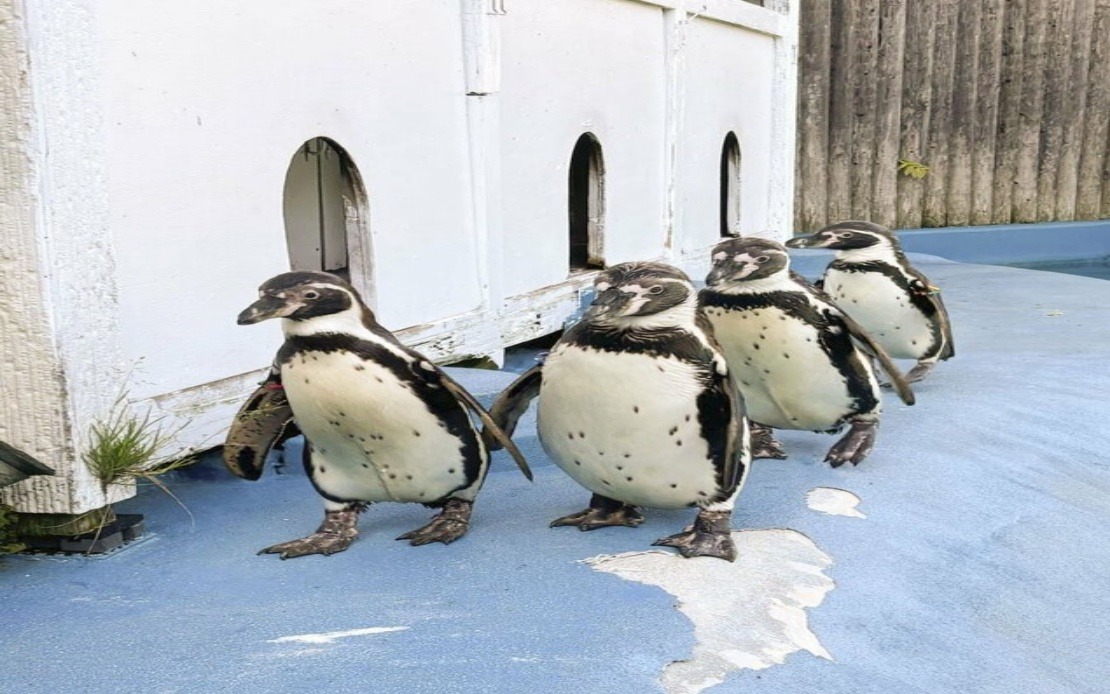
All four Humboldt penguins housed at Yagiyama Zoological Park in Sendai, northeastern Japan, died from avian malaria according to investigation findings released Friday, marking a significant loss for the facility and raising questions about disease management in zoological settings across the region.
The mosquito-borne illness claimed the lives of the birds sequentially between July 9 and 19, with a male penguin named Aramasa being the first to die. The remaining three penguins followed in quick succession over the ten-day period. Remarkably, none of the affected birds exhibited any visible symptoms of illness until the day immediately preceding their deaths, underscoring the disease's capacity to progress with devastating speed once clinical signs appear.
Iwate University conducted the formal investigation at the commission of Yagiyama Zoological Park. The examination process took several weeks to complete, with laboratory analysis ultimately confirming the diagnosis of avian malaria as the cause of mortality across all four specimens. The disease, transmitted by mosquitoes, poses no direct threat to human populations, though this provides limited comfort to zoo officials who must now address the circumstances that enabled the outbreak.
Avian malaria represents a particular challenge in zoo management because of its rapid clinical progression. The disease can remain asymptomatic in infected birds until a sudden deterioration occurs, leaving caretakers with minimal opportunity to intervene through treatment or isolation protocols. This characteristic made the Sendai incident particularly difficult to prevent once transmission had begun, though better environmental management might have prevented initial infection.
Humboldt penguins, native to the coasts of Peru and Chile in South America, represent a popular species in Japanese zoos due to their greater tolerance for warmer climates compared to Antarctic penguin species. This adaptability to temperate conditions has made them a more practical choice for facilities in populated areas of Japan, though it does not insulate them from endemic tropical diseases like avian malaria. The species' presence in multiple facilities across Japan suggests that other zoos may face similar disease risks.
The rapid succession of deaths and the absence of early warning signs posed significant challenges for the zoo's veterinary and husbandry teams. Standard quarantine and health monitoring protocols likely proved insufficient given the disease's aggressive nature and the environmental conditions that may have already allowed mosquito breeding before staff recognized the threat.
Yagiyama Zoological Park has made no immediate decisions regarding the acquisition of replacement birds. This cautious approach reflects the need to thoroughly remediate environmental conditions before introducing new animals to the facility. Zoo officials have committed to redesigning the penguin enclosure specifically to eliminate standing water where mosquitoes breed and develop, addressing what may have been a critical vulnerability in the original habitat design.
The redesign represents a substantial undertaking that will likely take months to complete. Beyond physical modifications to prevent water accumulation, the zoo may implement additional measures such as enhanced screening, insect control programs, and modified maintenance schedules. These improvements, when combined, should significantly reduce the likelihood of future avian malaria transmission.
For Malaysian and Southeast Asian zoos, the Sendai incident offers important lessons about disease risk management in tropical and subtropical climates where mosquito-borne illnesses are more prevalent. Facilities across the region housing similarly susceptible species should review their enclosure designs and pest management protocols to identify potential breeding sites for disease vectors.
The incident also highlights the importance of rapid diagnostic response when unexplained penguin mortalities occur. Having established relationships with diagnostic laboratories capable of identifying avian pathogens enables zoos to implement control measures quickly, potentially preventing additional deaths in multi-specimen collections.
Yagiyama Zoological Park's commitment to environmental remediation before restocking demonstrates responsible wildlife management and reflects growing professional standards in Japanese zoological institutions. The facility's willingness to invest time and resources into solving the root cause, rather than simply replacing the deceased animals, sets a constructive example for the broader zoo community.
As zoos throughout Asia continue to house diverse species in shared environments, the balance between providing public access to wildlife education and protecting those animals from disease remains an evolving challenge. The Sendai case underscores how environmental design choices directly influence animal health outcomes and how comprehensive planning can prevent future tragedies.

