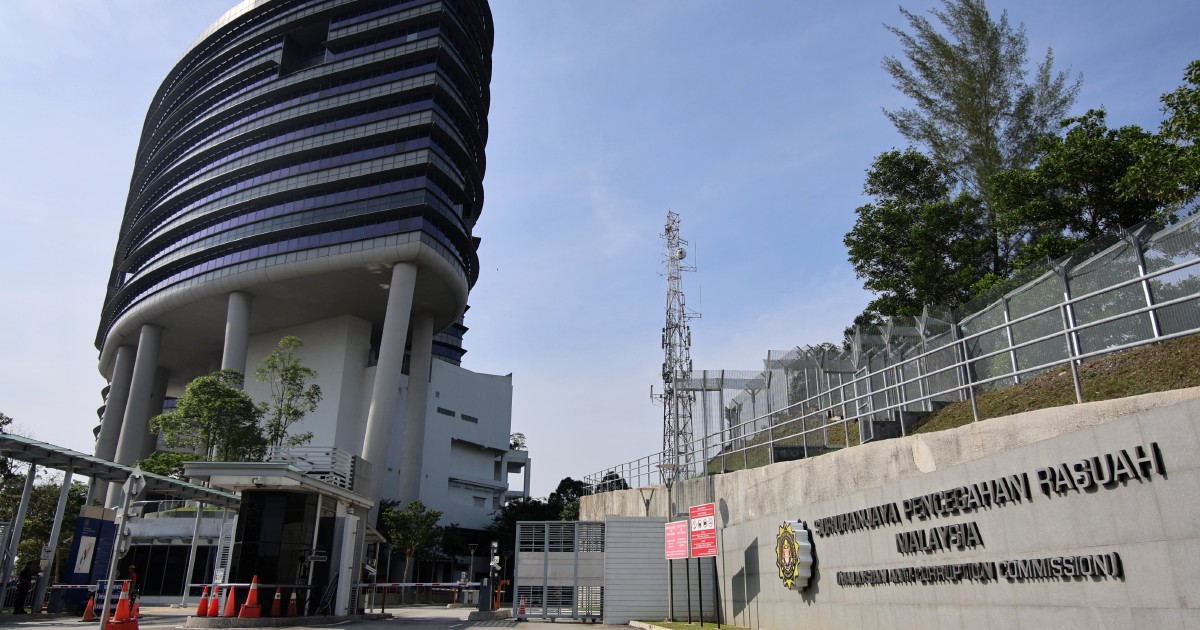
Datuk Azmi Ahmad, the chief executive overseeing Alam Maritim Resources Bhd, has been discharged from Malaysian Anti-Corruption Commission custody following his remand period. The release of the group's top executive comes as the anti-graft agency continues its investigation into allegations linked to the maritime services company.
The timing of Azmi's release raises questions about the trajectory of the MACC's inquiry into Alam Maritim Resources. While the commission typically secures remand orders to facilitate questioning and evidence gathering, the discharge suggests either that investigators have obtained sufficient information during the detention period or that the legal basis for continued custody has become insufficient. The decision reflects the standard operating procedures within Malaysia's anti-corruption framework, where remand periods are routinely reviewed by the courts.
Akam Maritim Resources Bhd operates within Malaysia's maritime and offshore services sector, an industry that has historically attracted regulatory scrutiny due to its substantial contracts with government agencies and the potential for procurement irregularities. The company's involvement in maritime operations means any corruption allegations carry implications for the broader transparency of government-linked contracts in this domain. The sector remains critical to Malaysia's economic interests, particularly given ongoing developments in maritime security and resources management in Southeast Asian waters.
The circumstances prompting the MACC investigation into Azmi Ahmad and potentially Alam Maritim Resources remain undisclosed, though such inquiries typically centre on suspected financial misconduct, abuse of power, or breach of fiduciary duties. The maritime services industry has faced previous corruption-related investigations, suggesting systemic vulnerabilities in contract oversight and financial accountability that continue to warrant official attention. For businesses operating in this space, the probe underscores the regulatory environment's unpredictability and the heightened compliance expectations facing maritime firms.
The release of a corporate leader from MACC remand carries potential ramifications for Alam Maritim Resources' operational continuity and stakeholder confidence. Investors, business partners, and creditors frequently monitor whether investigations target management, as such developments can influence strategic decision-making and financial planning. The maritime services sector depends heavily on long-term contracts and relationship-based trust, making executive-level complications particularly consequential for company performance and market positioning.
Malaysia's anti-corruption mechanisms have evolved significantly over recent years, with the MACC increasingly visible in high-profile investigations. The commission's authority extends across both public and private sectors, reflecting a broader governmental commitment to combat financial misconduct regardless of organisational type. However, questions persist regarding consistency in enforcement and the transparency of investigative outcomes, particularly when prominent business figures are involved. The handling of this case may provide insights into the MACC's current operational standards and priorities within the maritime and corporate sectors.
For the maritime industry in Malaysia and Southeast Asia more broadly, investigations touching major service providers generate ripple effects throughout supply chains and contractual relationships. Companies that depend on Alam Maritim Resources for services or partnerships may experience uncertainty pending clarification of the investigation's scope and likely conclusions. The incident exemplifies broader governance challenges that persist across regional maritime economies, where the complexity of offshore operations and international shipping standards create environments susceptible to misconduct if oversight systems prove inadequate.
The investigation's progression will likely determine whether Azmi Ahmad faces further legal proceedings or charges. Malaysian corporate law and the country's anti-corruption framework provide mechanisms for both criminal and civil remedies, meaning multiple potential avenues remain open depending on investigative findings. Previous high-profile cases involving corporate executives suggest that conclusions often emerge months after initial detention, during which time uncertainty regarding the company's direction can affect its business prospects and employee morale.
Stakeholders in Malaysia's maritime sector will monitor whether this investigation expands to encompass broader institutional practices within Alam Maritim Resources or remains focused on individual conduct. Institutional investigations typically generate more extensive consequences, potentially triggering corporate restructuring, regulatory sanctions, or contractual complications with government agencies. The investigation's ultimate scope may reshape how similar companies approach governance and compliance frameworks throughout the regional maritime industry.
As the MACC continues its inquiries, the release of the group's chief executive ensures operational continuity while investigations advance through normal legal channels. The coming weeks and months will clarify whether additional charges emerge or whether the probe concludes with minimal formal action. For Malaysian business observers and regulatory experts, this case exemplifies the ongoing tension between anti-corruption enforcement and corporate operational requirements within regulated industries facing intense government oversight.

