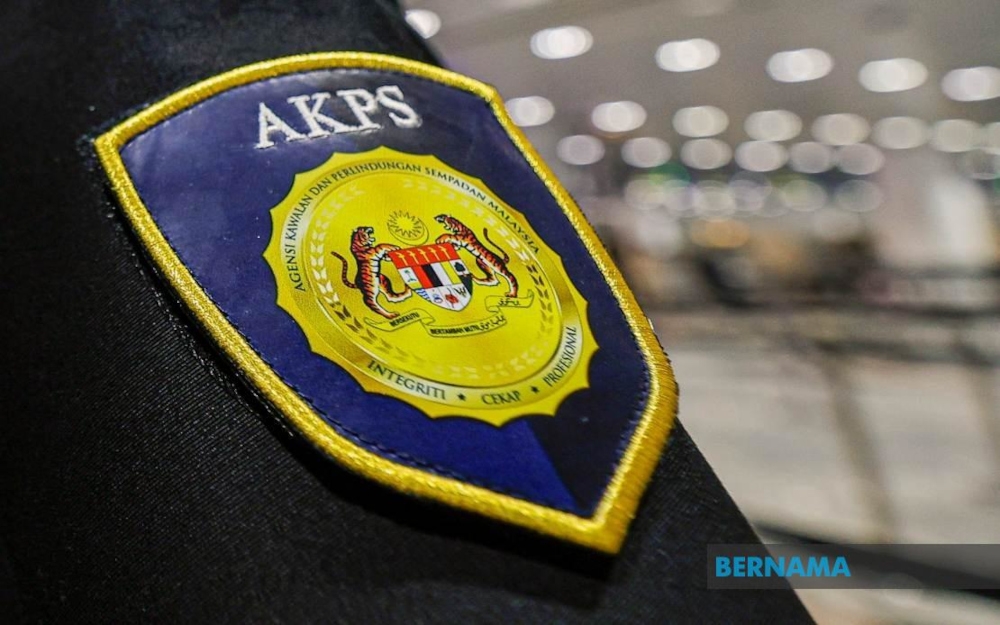
The Malaysian Border Control and Protection Agency (AKPS) is undertaking a formal investigation into claims that a traveller transferred RM100 to a KLIA 2 customs officer via a personal quick response code, representing a troubling evolution in potential corruption at the country's key international gateway. The allegation surfaced publicly this week, prompting swift action from the border management body tasked with securing Malaysia's entry and exit points.
What distinguishes this particular incident from conventional bribery cases is the payment mechanism employed. The use of a personal QR code—a method typically associated with everyday peer-to-peer financial transfers rather than official transactions—suggests either a deliberate attempt to obscure the transaction's illicit nature or an increasingly sophisticated approach by officials seeking to avoid detection through conventional means. This technique represents a potential vulnerability in Malaysia's border security oversight, as digital payment trails can be harder to trace when conducted through personal rather than institutional channels.
KLIA 2, officially known as Kuala Lumpur International Airport Terminal 2, processes hundreds of thousands of passengers monthly and serves as a critical checkpoint for goods and people entering and exiting Malaysia. Any suggestion of corruption at this facility carries implications extending beyond the immediate transaction, affecting public confidence in customs enforcement and the integrity of Malaysia's border control apparatus. The airport's role as Southeast Asia's primary hub for low-cost carriers means the incident potentially reflects practices that could be replicated across the region's aviation infrastructure.
The internal investigation will likely examine several dimensions of the alleged misconduct. Investigators must determine whether the officer solicited the payment or whether the traveller offered it unprompted, a distinction carrying significant implications for disciplinary action and criminal prosecution. They will also scrutinise whether this represents an isolated incident or part of a pattern suggesting systemic vulnerability within KLIA 2's customs operations. The involvement of a personal QR code creates additional investigative challenges, as authorities must establish the digital trail while potentially identifying other transactions using similar methods.
Corruption at border checkpoints has long represented a concern for Malaysian authorities and regional observers. The stakes become elevated at airports, where enforcement gaps directly compromise national security screening protocols. When officers leverage their position to extract payments from travellers, they not only violate their oath of office but potentially compromise the thorough inspection of luggage and goods that protects Malaysia's security interests. The AKPS investigation signals the agency's commitment to maintaining standards, yet the mere emergence of such allegations underscores the ongoing challenges in institutional oversight.
The choice of payment method in this case warrants particular attention from policymakers. The proliferation of mobile payment applications and digital wallets has created legitimate conveniences for consumers but simultaneously expanded the toolkit available to corrupt officials seeking undetectable transactions. Unlike cash payments, which leave no record but are immediately suspicious, QR code transfers to personal accounts can superficially resemble ordinary financial activity. This creates a detection gap that requires sophisticated monitoring systems to identify patterns of unusual transactions involving border staff.
MALAYSIA's broader anti-corruption framework comes into focus through this incident. The Malaysian Anti-Corruption Commission maintains authority over public sector graft, and depending on the investigation's findings, AKPS may refer the case for escalated action. The transparency and speed with which the border agency responds to such allegations will influence public perception of institutional integrity. Prompt investigation and appropriate consequences for substantiated misconduct serve as deterrents to similar behaviour, whereas protracted or inconclusive processes risk normalising the perception that border officials operate above accountability.
The incident also highlights the importance of passenger awareness and reporting mechanisms. Many travellers encountering solicitations for unofficial payments at airports lack channels to report such demands safely, particularly if they fear the interaction might result in delayed travel or additional scrutiny. Establishing clear, accessible reporting procedures—including anonymous options—would create an early warning system for institutional vulnerabilities. Several regional airports have implemented passenger feedback platforms specifically designed to capture such incidents.
For Malaysian travellers and businesses relying on KLIA 2, this investigation carries indirect implications for travel experiences and trade facilitation. Corruption at customs checkpoints often extends beyond direct bribery to create general uncertainty and delays as officials exploit their discretionary authority. Restoring confidence in the border control system requires demonstrated commitment to identifying and eliminating such practices. AKPS's willingness to investigate publicly reported allegations suggests receptiveness to accountability, a prerequisite for organisational reform.
The investigation's outcome will provide valuable intelligence about vulnerabilities in Malaysia's border security infrastructure. If the allegations are substantiated, the incident should trigger a broader examination of staff supervision protocols, transaction oversight mechanisms, and the adequacy of digital payment monitoring systems specifically targeting public officials. Such institutional learning would represent a positive outcome, transforming a troubling allegation into a catalyst for strengthened safeguards benefiting all stakeholders in Malaysia's aviation and customs ecosystem.

