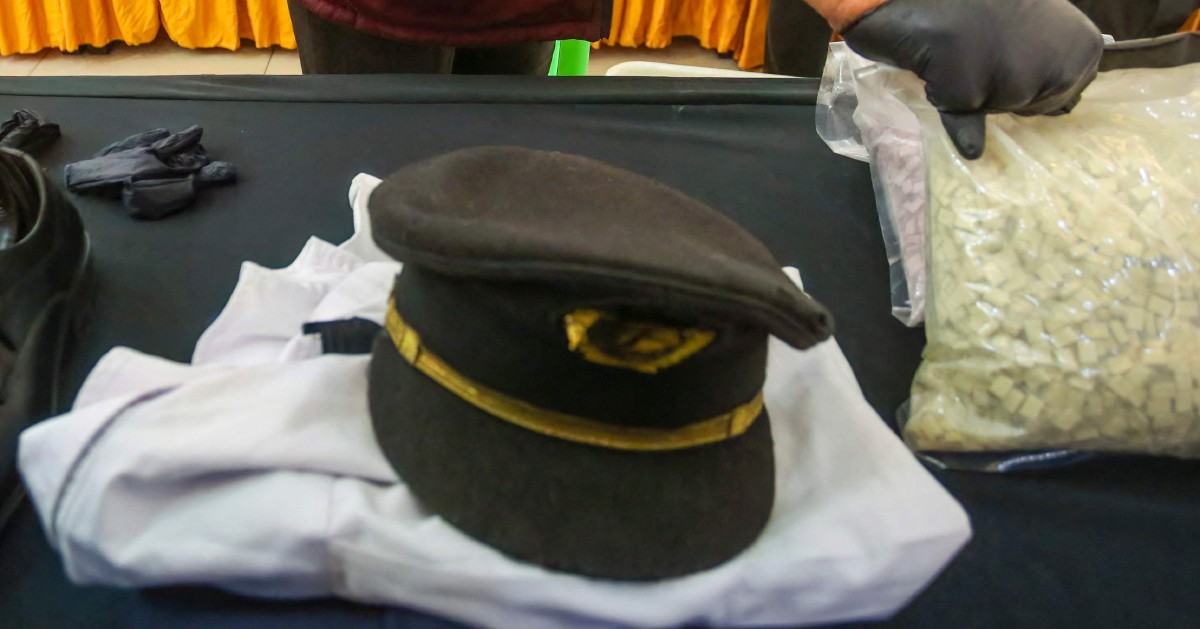
Kuala Lumpur police have identified a male airport worker in his 30s as a significant person of interest following allegations that a Malaysia Airlines pilot managed to transport prohibited substances through security screening at Kuala Lumpur International Airport. The development marks a turning point in the investigation, shifting focus toward potential breaches in airport protocols and possible involvement of ground staff in the alleged incident.
The identification of the airport employee signals that authorities are pursuing a line of inquiry suggesting the narcotics may not have passed through standard security channels undetected. Rather than treating this solely as an individual pilot's misconduct, investigators are now examining whether airport personnel may have been complicit or negligent in allowing the contraband to proceed through the facility's security perimeter.
This investigation carries significant implications for Malaysia Airlines, one of Southeast Asia's major carriers, and raises questions about security vulnerabilities at one of the region's busiest aviation hubs. KLIA, which handles millions of passengers annually, operates under stringent international security protocols. Any suggestion that breaches may have occurred through employee involvement could trigger wider audits of airport security procedures and personnel screening processes.
The case highlights ongoing concerns across the aviation industry regarding how prohibited items sometimes penetrate layers of security designed to prevent their passage. In recent years, various international airports have faced similar incidents where contraband has been discovered in passenger luggage after departure, prompting regulatory bodies to strengthen checkpoint procedures and introduce more rigorous staff training protocols.
For Malaysia Airlines specifically, the situation presents a complex challenge. The carrier must balance operational efficiency with security integrity while facing potential reputational concerns. The airline works closely with airport authorities and security agencies, and any systemic vulnerabilities identified during the investigation could necessitate enhanced pre-flight procedures or modifications to how crew members interact with ground operations.
The investigation's progression toward examining airport employee involvement also underscores the role that internal security culture plays within aviation facilities. Comprehensive background checks, regular integrity assessments, and transparent reporting mechanisms are essential components of ensuring that personnel with access to aircraft and passenger areas maintain the highest ethical standards.
Malaysian authorities have consistently demonstrated commitment to maintaining aviation security standards that comply with international civil aviation regulations established by bodies such as the International Civil Aviation Organization. This investigation, while sensitive, reflects the enforcement mechanisms necessary to preserve public confidence in local aviation safety infrastructure.
The identification of a person of interest does not necessarily imply guilt or formal charges. Police investigations of this nature typically involve extensive questioning, examination of security footage, electronic records, and coordination with various departments at KLIA and Malaysia Airlines to reconstruct the sequence of events that permitted the alleged violation to occur.
Broader industry observers will be watching closely how this investigation unfolds, as outcomes may influence how other Southeast Asian airports approach personnel management and security checkpoint operations. Countries throughout the region have made substantial investments in upgrading airport infrastructure and security technology, yet human factors remain a critical variable in preventing contraband from entering the aviation system.
For travellers and industry stakeholders in Malaysia, the investigation represents an opportunity for authorities to identify weaknesses and implement corrective measures. The transparency with which such cases are handled can either reinforce or undermine public confidence in the institutions responsible for aviation safety and security across the country.
The case also reflects Malaysia's broader efforts to combat drug trafficking, a significant regional challenge affecting multiple nations throughout Southeast Asia. Airport checkpoints serve as frontline positions in these enforcement efforts, making the integrity of security personnel absolutely essential to the effectiveness of national counter-narcotics operations.

