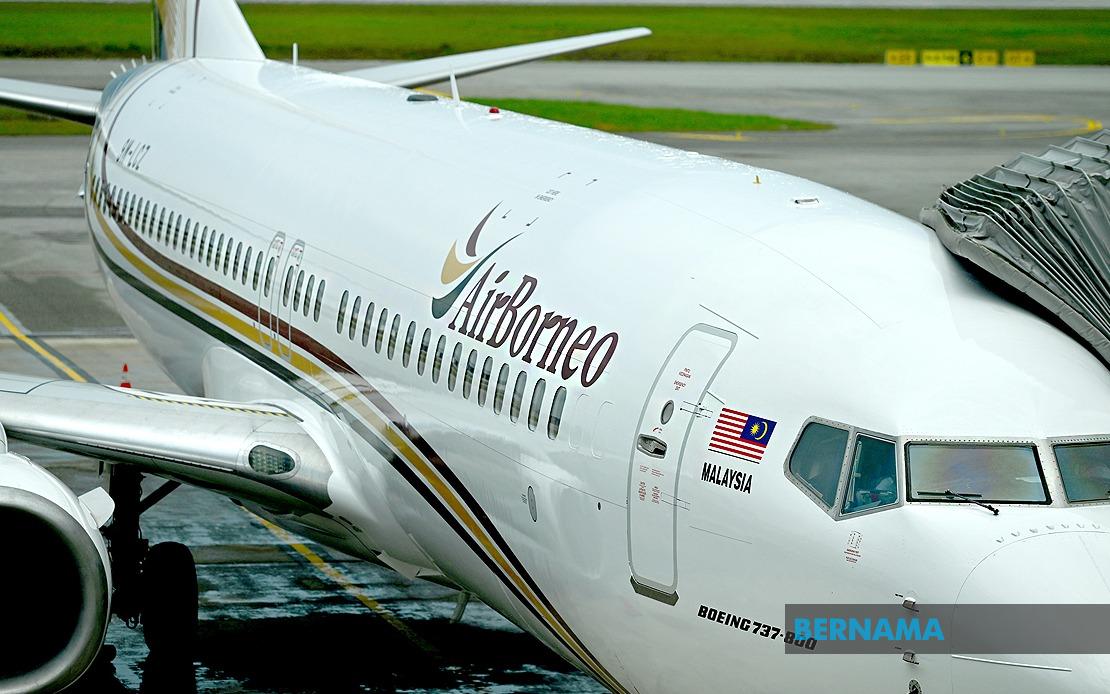
AirBorneo has formally apologised to passengers affected by a delay on Flight MY5004, which was scheduled to operate from Kuala Lumpur to Kuching on July 20. The Sarawak-based carrier attributed the disruption to technical complications that required resolution before the aircraft could safely depart. The flight eventually took off at 7.30 pm following the resolution of the mechanical issue, after spending several hours on the ground.
The airline's response underscores the delicate balance that regional carriers in Malaysia must maintain between operational efficiency and passenger safety. In its official statement, AirBorneo emphasised that safety considerations will always supersede scheduling pressures, a position increasingly important as competition intensifies within Southeast Asia's aviation sector. This explicit reaffirmation suggests the airline recognises how such incidents can affect passenger confidence and brand reputation in a market where multiple carriers compete for domestic traffic.
During the extended ground time, AirBorneo implemented a passenger care protocol designed to mitigate frustration and maintain service standards despite the disruption. The airline's ground staff provided periodic communications to travellers about the status of repairs and anticipated departure times. Beyond verbal updates, the carrier supplied complimentary meals and beverages to offset the inconvenience of the delay, a measure aimed at demonstrating goodwill and commitment to passenger welfare even when circumstances fall beyond normal operational parameters.
The incident highlights ongoing challenges within Malaysia's regional aviation industry, where technical maintenance issues continue to disrupt schedules periodically. For Malaysian travellers accustomed to multiple flight options on major routes, delays lasting several hours can significantly impact onward connections and business commitments. The Kuala Lumpur to Kuching route represents important connectivity between Peninsular Malaysia and Sarawak, serving business professionals, government officials, and leisure travellers navigating the country's dispersed geography.
AirBorneo's handling of the situation also reflects evolving passenger expectations in the region, where regional carriers are increasingly expected to match international standards for communication and care during disruptions. The airline's willingness to provide detailed explanations and material support during delays demonstrates an understanding that transparency and passenger-centric responses help mitigate the negative effects of operational challenges. This approach becomes particularly relevant given the proliferation of social media commentary, where passenger experiences are rapidly shared and can influence future booking decisions.
The technical nature of the delay raises broader questions about aircraft maintenance practices and scheduling within Malaysia's aviation sector. Regional operators often manage ageing fleets or manage turnaround times tightly to maximise aircraft utilisation, potentially creating pressures that can compromise maintenance intervals or thorough pre-flight inspections. While the specific technical issue affecting Flight MY5004 was not detailed, the airline's emphasis on safety suggests the problem was significant enough to warrant grounding the aircraft until complete resolution could be confirmed.
For passengers on this route, delays represent more than mere inconvenience. The Kuala Lumpur to Kuching flight carries travellers conducting time-sensitive business, government personnel attending official functions, and families managing carefully planned reunions. A several-hour delay can cascade into missed connections, cancelled meetings, and substantial personal disruption. AirBorneo's acknowledgement of passenger inconvenience and explicit thanks for patience suggests recognition of these broader impacts beyond the immediate flight operation.
The incident also contextualises AirBorneo's position within Malaysia's evolving aviation landscape. As a Sarawak-owned carrier, the airline serves a critical function connecting East Malaysia with the peninsula and maintaining competition against larger national carriers. Maintaining operational reliability becomes essential for such regional operators seeking to build market share and passenger loyalty. A single significant delay, while manageable in isolation, can contribute to perceptions of unreliability if incidents accumulate.
AirBorneo's reiteration of commitment to safety standards and service reliability suggests the incident prompted internal reflection on operational resilience and passenger communication protocols. Regional carriers operating in competitive markets increasingly recognise that safety and reliability form the foundation for sustainable competitive advantage. The airline's formal acknowledgement and apology indicate it views this incident as an opportunity to reaffirm its operational standards and customer-centric values to both affected passengers and the broader travelling public.
Moving forward, this episode may prompt AirBorneo and other regional carriers to examine their technical maintenance scheduling, spare parts availability, and pre-flight inspection protocols. Balancing cost efficiency with operational robustness represents an ongoing challenge for carriers operating in emerging markets where margins often remain tight. Industry observers will monitor whether such incidents occur with regular frequency or represent isolated technical anomalies, as patterns of delays significantly influence passenger perception and market competitiveness within Malaysia's domestic aviation sector.

