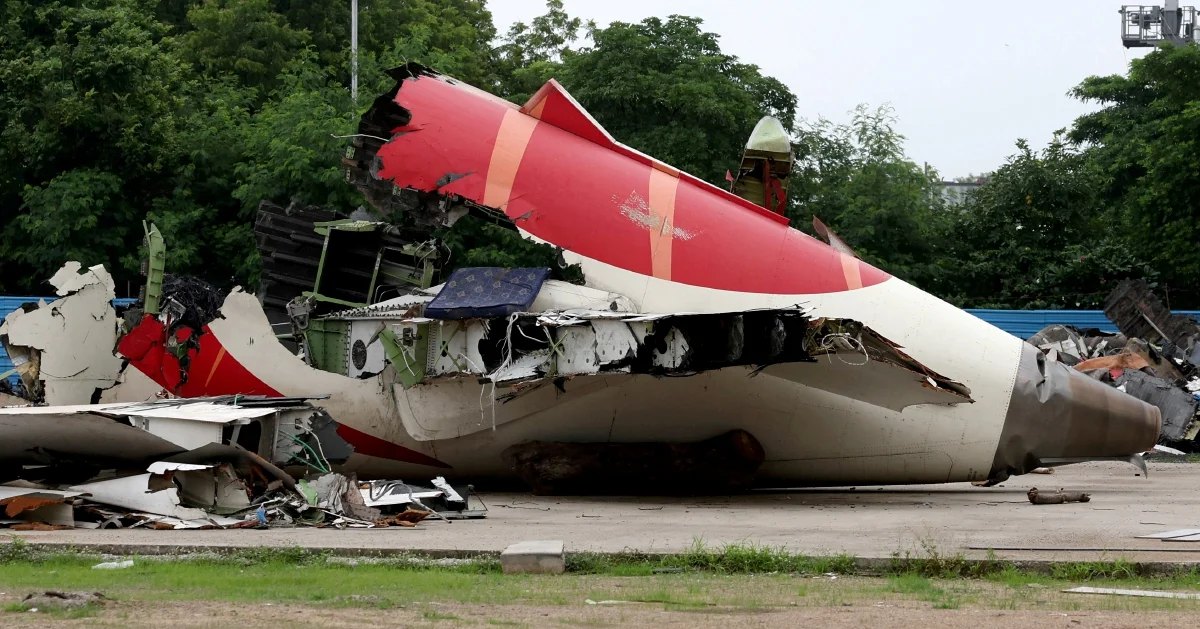
India's national aircraft accident investigation authority has substantially progressed its inquiry into the tragic Air India crash that occurred last year, with key forensic and psychological analyses now complete, according to court documents filed this week. The investigation into what remains one of the nation's most significant aviation incidents has now transitioned into its concluding phase, following the completion of critical technical and behavioural assessments that will shape the final recommendations.
The detailed transcript extracted from the cockpit voice recorder represents one of the most crucial elements of any aviation accident investigation, as these recordings preserve the final communications and actions of the flight crew in the moments leading up to and during the emergency. The painstaking process of converting raw audio data into an accurate, timestamped transcript requires specialised expertise and can take many months to complete. This transcript will form the foundation for understanding what decisions the crew made, what information they possessed, and whether procedural protocols were followed correctly throughout the incident.
Beyond the technical evidence preserved in the cockpit systems, the investigation has also commissioned a psychological autopsy—a comprehensive behavioural and mental health assessment conducted posthumously through medical records, witness statements, and professional evaluations. This element of the investigation seeks to determine whether fatigue, medical conditions, personal stress, or other psychological factors influenced the flight crew's judgement or performance during the critical moments of the incident. Such assessments have become standard practice in modern aviation safety investigations, as they recognise that human factors and mental state can significantly impact decision-making in high-stress environments.
The decision to bring the investigation into its final phases signals that the authorities have gathered sufficient evidence and completed their major analytical work. Rather than conducting endless additional studies, the investigating body is now in a position to synthesise all findings into a comprehensive accident report. This final phase typically involves cross-referencing the cockpit transcript with radar data, maintenance records, weather information, and other technical parameters to construct a precise timeline and causation narrative.
For Southeast Asian aviation professionals and safety practitioners, the outcome of this investigation carries particular relevance. The region operates some of the world's busiest airways and accommodates rapidly growing volumes of air traffic across countries with varying levels of infrastructure investment and regulatory oversight. Lessons derived from major accident investigations in larger markets like India often become templates for safety improvements across the region, influencing how airlines structure crew training, implement fatigue management systems, and respond to emergency procedures.
The Air India incident represents the kind of catastrophic event that fundamentally reshapes aviation safety practices worldwide. When a major airline operating modern aircraft experiences a fatal accident, the investigation typically uncovers not a single catastrophic failure but rather a chain of contributing factors—mechanical issues, procedural gaps, environmental challenges, and human performance limitations—that aligned in tragic confluence. Understanding precisely how these elements combined in this particular instance will inform preventative measures across the global aviation industry.
India's aircraft accident investigation authority is charged with conducting independent, impartial probes into civil aviation incidents. Unlike accident investigations in some nations that may be influenced by commercial or political considerations, the Indian authority operates under international standards established by the International Civil Aviation Organization. This ensures that the final report will meet rigorous international scrutiny and provide genuine value to the broader aviation community beyond India's borders.
The transition to final investigation stages typically requires several additional months of careful documentation and analysis. The investigating body must prepare draft findings, circulate them to relevant organisations and stakeholders for comment, and incorporate technical feedback from the airlines, aircraft manufacturer, engine manufacturers, and regulatory bodies that operated or maintained the equipment involved. This consultation process ensures that the final report is technically sound and incorporates expertise from multiple domains.
Once completed, the investigation report will be submitted to India's civil aviation regulator and may also be referred to the country's judiciary if criminal negligence or other legal violations are suspected. The court filing indicating progress in the investigation suggests that authorities anticipate reaching a conclusion within a defined timeframe, though final report publication timelines in major investigations frequently extend beyond initial projections as additional technical matters require clarification.
For Malaysian aviation authorities and those throughout Southeast Asia, this investigation serves as a reminder of the importance of maintaining rigorous safety cultures despite competitive pressures and operational demands. The findings will likely reinforce existing protocols around crew fatigue management, emergency procedure training, and the critical importance of maintaining cockpit voice recorder integrity and accessibility for investigation teams.
The conclusion of this investigation will be widely anticipated not only within India but across Asian aviation circles, where the region's rapid growth in air travel has intensified focus on maintaining safety standards concurrent with expansion. When the final report is released, it will provide valuable insights into how multiple safety systems and human factors interact in modern commercial aviation, offering guidance that will shape training programmes and safety protocols across the region for years to come.

