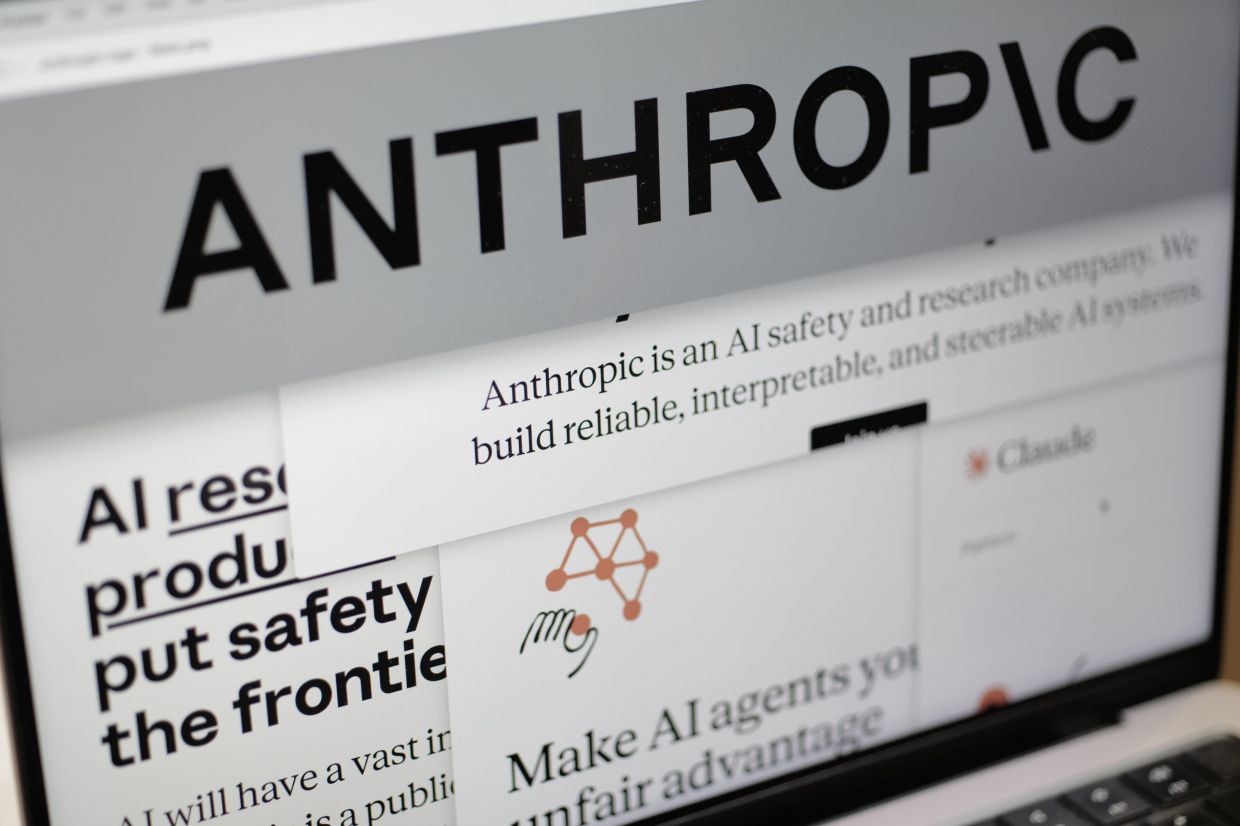
A litigation-technology startup has mounted a legal challenge against the Trump administration's artificial intelligence export controls, claiming that restrictions imposed on Anthropic's access to its most advanced models have inflicted irreparable damage on its operations. Legion, which develops software tools for legal professionals, filed suit in federal court in Washington on June 23, arguing that being locked out of Anthropic's Fable 5 and Mythos 5 models—the company's cutting-edge AI systems—has essentially crippled its product development pipeline at a moment when competitive advantage in artificial intelligence is measured in weeks, not months.
The lawsuit emerged within days of Anthropic disabling access to these models in response to a government directive from the Trump administration that prohibits the sharing of advanced AI technology with foreign nationals, regardless of their physical location. Legion's particular vulnerability stems from its workforce composition: while the company maintains headquarters in the United States, several of its software development engineers hold Canadian citizenship and perform their work from Canada. This arrangement, previously unremarkable in the globally distributed technology sector, has become untenable under the new regulatory framework. Commerce Secretary Howard Lutnick had previously written directly to Anthropic's Chief Executive Officer Dario Amodei, warning that the company would need explicit government authorization before making its most advanced models available outside US territory or to non-US citizens anywhere in the world.
Legion's legal filing characterizes the impact of losing access to Fable 5 as catastrophic and time-sensitive. The company argues that it was stripped of "the latest tool at the centre of its development instantaneously," depriving it of capabilities that are essential to remaining competitive in an industry where technological advancement moves at an accelerating pace. This framing highlights a critical tension in the contemporary AI sector: the technology landscape evolves so rapidly that even brief interruptions in access to state-of-the-art tools can create permanent competitive disadvantages. A company that loses weeks or months of development time with the most capable available models may find that rivals have leapfrogged ahead in ways that cannot be recovered through subsequent effort.
The litigation raises profound questions about how the United States government can effectively implement export controls in an era when artificial intelligence is embedded in software that operates across national borders and when technical talent is inherently global. Export controls on sensitive technologies have long been a tool of US foreign policy, but their application to AI presents novel challenges. Unlike physical goods, which can be inspected at ports of entry, software can be accessed instantaneously from anywhere on earth. Restricting it to US-based nationals while allowing US companies to employ foreign talent creates logistical complexities that may ultimately be unenforceable without fundamentally altering how international technology companies operate.
For companies operating across the Malaysia-Singapore region and throughout Southeast Asia, this development carries significant implications. Many multinational technology firms employ talent from across ASEAN countries and beyond, with engineers and developers working from various jurisdictions. If the US government successfully enforces restrictions on access to advanced AI models based on employee citizenship or work location, it would require substantial reorganization of workforce structures and potentially make participation in certain AI development projects impossible for non-US nationals. This could accelerate a trend toward regional AI ecosystems, as companies seek to minimize exposure to US regulatory constraints by developing alternative technological infrastructure based elsewhere.
Anthropology's response to the government directive has been notably accommodating. The company released a statement saying it remained "grateful to the administration" and expressed commitment to "working alongside the government towards our shared goals of protecting critical infrastructure and making sure the US leads in AI." This cooperative posture suggests that major AI companies are unlikely to mount aggressive legal challenges to export controls, even when those controls impose costs on their customers and partners. The burden of challenging the regulations appears to have fallen on companies like Legion, which lack the political influence or strategic importance of AI model developers themselves.
The case may ultimately hinge on constitutional and administrative law questions rather than technology policy. Legion's attorneys will likely argue that the export control directive violates due process protections, exceeds the government's statutory authority, or fails to follow required procedures for implementing significant regulatory changes. The suit names Commerce Secretary Howard Lutnick as the primary defendant, positioning the challenge as one against the executive branch's authority to unilaterally restrict technology access. However, courts have historically granted substantial deference to the executive branch on matters of national security and international trade, making the path to victory uncertain.
The timing of this lawsuit reflects broader tensions within the Trump administration regarding AI policy. While the government has expressed concern about preventing advanced AI capabilities from reaching foreign competitors—particularly China—it has simultaneously expressed interest in ensuring that American companies remain leaders in AI development. Overly restrictive export controls risk undermining the competitiveness of US technology companies by preventing them from accessing the best available tools and from employing global talent. The Legion case may ultimately force policymakers to clarify exactly which foreign nationals are subject to restrictions and whether employment by US companies provides any exemption from the directive.
For Anthropic specifically, the lawsuit creates pressure to resolve the situation swiftly. The company's customer base is growing, and high-profile disputes between its clients and the US government could damage its relationships with business partners and potentially trigger regulatory scrutiny. Anthropic's statement expressing gratitude toward the administration suggests the company is working behind the scenes to find a solution that allows it to support its customer base while complying with government requirements. Possible compromises might include creating segregated development environments, implementing robust security protocols to prevent foreign nationals from accessing restricted models, or obtaining specific exemptions for customers operating in allied nations.
The broader implication of this case extends beyond any single company's interests. It represents one of the first significant legal challenges to the Trump administration's AI export control regime and may establish precedents that shape how aggressively the government can restrict technology access. If courts uphold the government's authority to implement such restrictions, expect similar conflicts to emerge as the administration applies controls to other advanced AI systems. Conversely, if Legion succeeds in its challenge, it could constrain the government's ability to use export controls as a blunt instrument for preventing technology transfer. Either outcome will reverberate through Southeast Asia's emerging technology sector, influencing investment decisions and workforce planning for years to come.

