The artificial intelligence revolution is reshaping the technology sector's hiring calculus in ways that favour experience over youth. Startup executives across the industry are openly acknowledging a stark preference for "mid-career people who are lazy in a smart way" — their shorthand for experienced developers, whom they call architects, who can leverage AI coding tools to amplify their productivity rather than manually writing every line of code. This recalibration reflects a fundamental shift in how software gets built, but carries troubling implications for aspiring programmers seeking to break into the field.
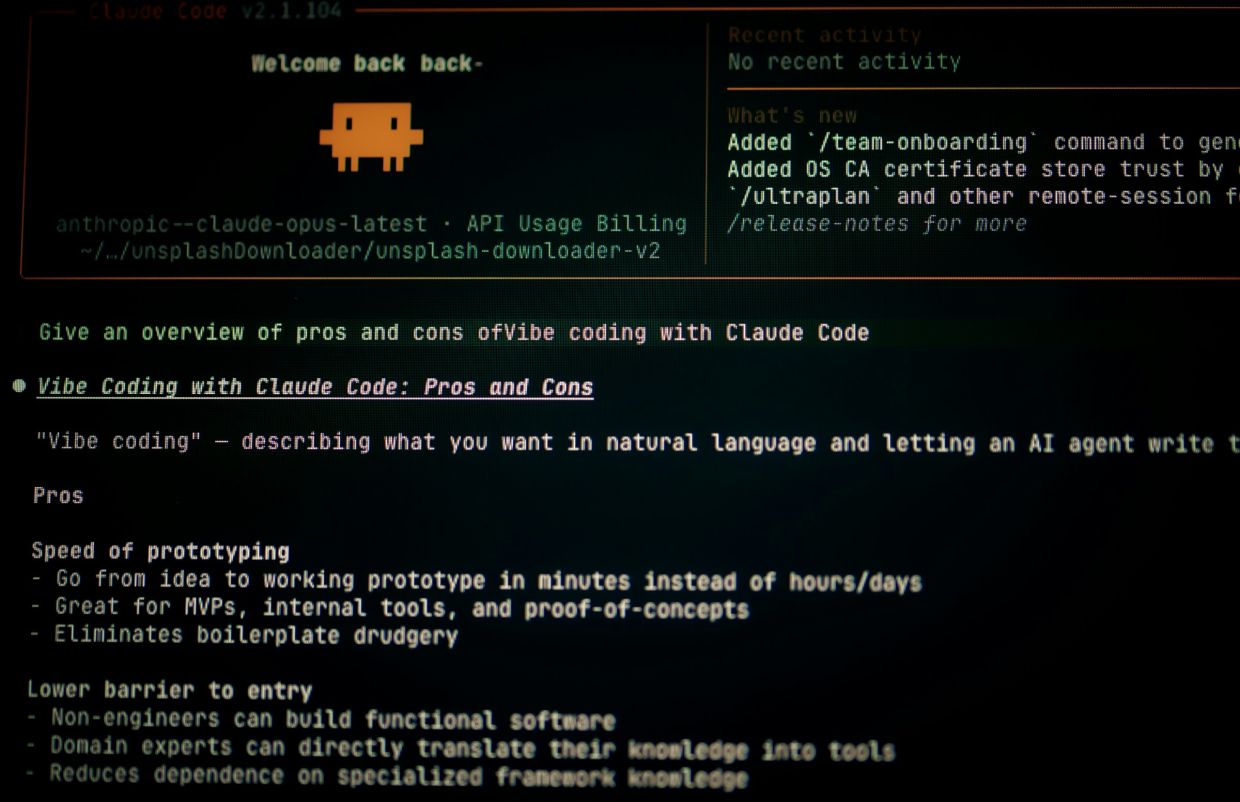
AI-powered coding assistants such as Anthropic's Claude Code and OpenAI's Codex have fundamentally altered the relationship between developers and their work. These tools enable engineers to function as project managers who can use simple text prompts to instantly generate, test, and debug software rather than engaging in the painstaking process of coding line by line. The transformation is no longer theoretical. According to Y Combinator's Managing Partner Jared Friedman, a quarter of startups in the Winter 2025 cohort built their core products using AI-generated code that comprised 95 percent of their codebase — a staggering figure that underscores how rapidly this technology has moved from experimental to production-critical.
The business case for AI-first hiring practices appears compelling to startup leaders. Take Giftory, which maintains approximately 30 employees and pays for premium AI subscriptions at roughly US$200 per month — what its founder dismisses as "peanuts" when measured against the average annual salary of US$100,000 for a software engineer. This cost-benefit analysis transforms the economics of offshoring and outsourcing, making it far cheaper to retain and enhance the capabilities of existing local talent than to expand headcount. Similar logic drives decision-making across the sector. Haitham Mengad, co-founder of Stems Labs, consciously chose to expand output from his lean but experienced team rather than hire additional junior developers. Lindsay Euller, vice president of customer success at Espresa, reports that AI deployment is generating savings worth millions of dollars annually for her organization, reshaping how leadership evaluates hiring requests. Euller anticipates a future where requests for additional headcount will routinely trigger questions about whether the organization has optimized its AI capabilities — a precondition that may prove impossible for junior candidates to satisfy.
Yet beneath these efficiency gains lies a structural problem threatening the programming profession's future. Employment data reveal a troubling trend for young developers. A Stanford Digital Economy Lab study examining payroll records from millions of American workers found that employment among 22- to 25-year-olds in occupations most vulnerable to AI — particularly software development — fell nearly 20 percent from its late 2022 peak. Harvard researchers analyzing resume submissions and job postings from 62 million American workers across more than 285,000 companies discovered that junior employment at firms that had adopted generative AI declined by roughly nine percent relative to companies that had not, measured over six quarters. Simultaneously, senior employment at AI-adopting firms continued to rise, indicating a clear divergence in hiring priorities. Cybersecurity startup CEO Ian Amit notes that many companies are interviewing numerous candidates across various levels but remain hesitant to convert those conversations into actual job offers — a phenomenon he attributes to broader uncertainty about workforce requirements in the AI era.
This bifurcation in the labour market is creating barriers that may prove difficult for the next generation of software professionals to overcome. The traditional pathway — hiring junior developers, training them, and promoting them into senior roles — appears to be breaking down. Young programmers cannot demonstrate the "architect" credentials that startup leaders now demand without the entry-level experience that companies are systematically eliminating. The feedback loop is self-reinforcing: fewer junior positions mean fewer developers gain the foundational experience needed to become architects, which in turn may create a skills shortage that even AI tools cannot fully address.
Not all technology industry voices have embraced this trajectory without reservation. Matt Garman, chief executive of Amazon Web Services, has publicly criticized the strategy of replacing junior developers with artificial intelligence, calling it "one of the dumbest things I've ever heard." Garman warns that the industry risks severing the pipeline from which the next generation of engineering leaders emerges — a cautionary perspective grounded in recognizing that leadership capabilities cannot be fully automated. His concerns appear prescient given emerging evidence of declining student interest in computer science. Across the University of California system, computer science enrollment has dropped six percent, and two-thirds of computing programs nationwide have experienced similar declines, according to the Computing Research Association.
The economic pressures driving these hiring decisions show little sign of abating. Startup founders operating in a hypergrowth environment face constant trade-offs between resource investment and workforce expansion. With AI tools demonstrating clear productivity multipliers, the mathematical case for maintaining leaner teams while investing in better technology proves difficult to resist. For now, the direction of travel appears clear: the technology sector is choosing more artificial intelligence and fewer people. Whether this approach ultimately serves the industry's long-term interests — or proves to be a strategic miscalculation that hollows out the next generation of technical talent — remains an open question with profound implications for Southeast Asia's emerging technology ecosystems that aspire to develop homegrown software engineering talent.

