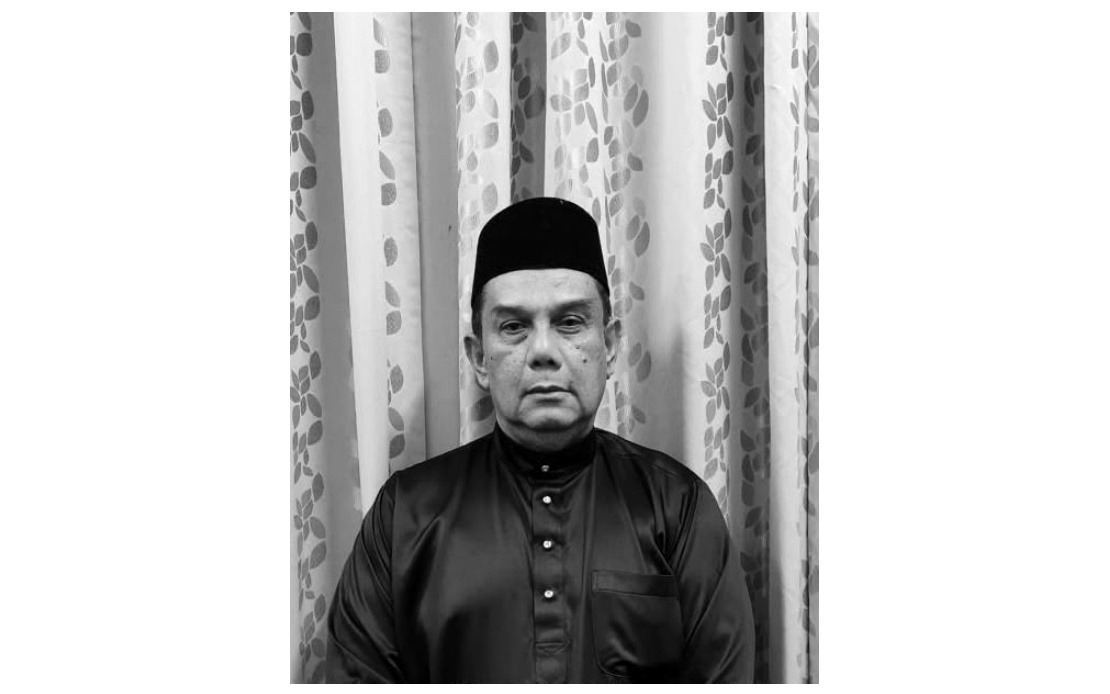
Datuk Jailani Harun, who served as a diplomatic officer to UMNO president Datuk Seri Dr Ahmad Zahid Hamidi, passed away at Hospital Serdang in Kuala Lumpur this morning. The 33-year-old's eldest daughter, Nabilla, confirmed the death occurred at 11.34 am, with the news subsequently verified by the Office of the Deputy Prime Minister. Jailani's passing marks the loss of a seasoned communications professional who had transitioned from journalism into the diplomatic sphere.
The deceased had built a significant career spanning both media and political communications work. His background in journalism had equipped him with extensive experience in managing public relations and communications matters, skills that proved valuable in his later role supporting one of Malaysia's most prominent political figures. Jailani's appointment to Ahmad Zahid's office reflected the growing importance placed by senior political figures on having experienced communications professionals within their immediate teams.
Funeral arrangements have been finalized according to Islamic custom and tradition. The body will be transported to Al-Mubarakah Mosque located in Taman Bukit Cheras, where funeral prayers will be conducted. Following the completion of prayers, Jailani will be interred at Alam Damai Cheras Cemetery after the Asr prayer time, allowing family members and colleagues to pay their final respects throughout the day.
Communications Minister Datuk Fahmi Fadzil swiftly extended condolences to Jailani's bereaved family and circle of friends. In a statement posted on social media, Fahmi emphasized the importance of offering spiritual support during this difficult period. He invoked prayers for strength and patience for those mourning, while also seeking divine mercy for the departed's soul and requesting that Jailani be counted among the righteous in the afterlife—sentiments widely shared across Malaysia's political and media communities.
Jailani's death comes at a time when Ahmad Zahid continues to navigate significant political responsibilities as UMNO president, a position that demands robust communications and diplomatic support structures. The loss of a trusted aide with Jailani's experience and institutional knowledge could necessitate adjustments within Ahmad Zahid's office operations, particularly regarding media relations and public communications matters that occupy considerable attention in modern Malaysian politics.
The passing of experienced political communications professionals serves as a reminder of the often-unseen roles played by support staff in Malaysia's political machinery. These individuals frequently operate away from the public spotlight yet maintain crucial responsibilities in shaping how political narratives are communicated and how relationships between political figures and media institutions are managed. Jailani's journalistic background would have provided him with particular insight into the dynamics between political leadership and press coverage.
In Malaysian political circles, experienced communications officers like Jailani are highly valued for their ability to navigate complex relationships between government, political parties, media organizations, and the public. Such professionals must understand both the political environment and media dynamics, allowing them to advise senior figures on strategic communications matters while managing public perception during sensitive periods. Jailani's role required discretion, political acumen, and strong interpersonal networks—qualities typically developed through years of professional experience in journalism and communications.
The broader implications of such losses within political offices extend to questions about succession planning and institutional continuity. Political figures at Ahmad Zahid's level typically rely on small teams of trusted advisors and communications specialists. The sudden departure of a long-serving team member necessitates careful consideration of how responsibilities will be redistributed and whether replacements possess comparable experience and institutional knowledge.
Jailani's journey from journalism to political communications represents a career path followed by numerous Malaysian media professionals who leverage their media sector experience to support political figures and institutions. This movement between sectors has become increasingly common as political organizations seek professionals with credibility in media relations and public communications strategy. The experience gained in newsrooms frequently translates into valuable insights for those advising political leaders on how their messages will be received and interpreted by media outlets and the public.

