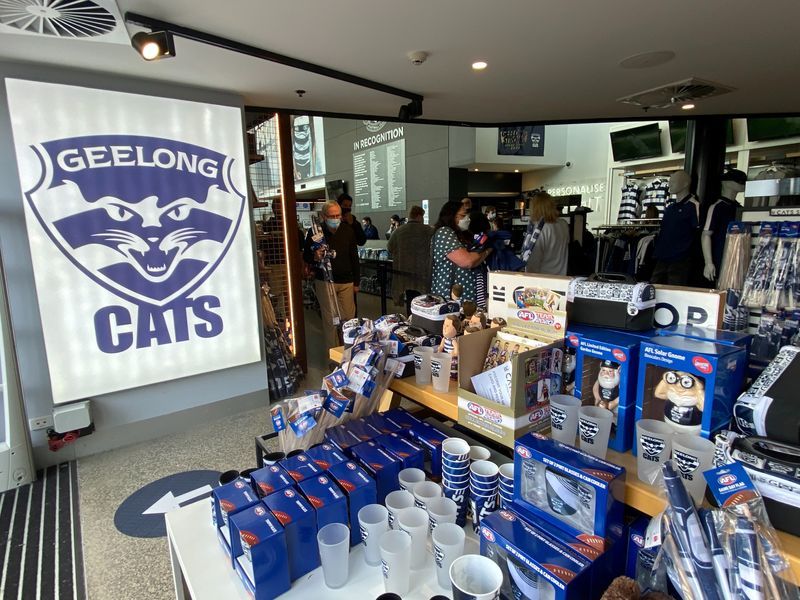
The Australian Football League has imposed a significant financial penalty on the Geelong Cats, fining the club A$140,000 following an investigation into an undisclosed concussion waiver agreement signed with player Jake Kolodjashnij. The breach came to light after an independent review commissioned by the AFL found that Geelong had violated league protocols by entering into an unauthorised variation to the player's contract without lodging the document with either the AFL or the AFL Players' Association, the sport's union body.
The controversy centres on an "informed consent letter" that Geelong signed with Kolodjashnij approximately two years ago. The document acknowledged potential risks associated with competing in the elite Australian Rules football competition and effectively waived certain legal protections the player would ordinarily possess regarding concussion-related injuries. This arrangement came after Kolodjashnij had experienced multiple concussive incidents during his professional career, yet an AFL medical panel had subsequently cleared him as fit to continue playing at the highest level.
The existence of the waiver remained confidential until the Melbourne Herald Sun newspaper revealed its details earlier this month, sparking considerable public backlash and raising serious questions about player protection standards within professional Australian football. The timing of the disclosure proved particularly damaging for the Geelong organisation, as it suggested a lack of transparency in how the club managed sensitive health and contractual matters involving one of its athletes.
Following the publication, the AFL initiated a thorough examination of the circumstances surrounding the agreement. That review concluded that whilst there was no evidence of deliberate concealment or intentional deception directed at the league or the players' union, Geelong had nonetheless contravened established league regulations. AFL Commissioner Paul Bassat underscored in his statement that the commission considered the regulatory violations sufficiently serious to warrant substantial financial consequences, emphasising that all clubs bear a fundamental responsibility to adhere to protocols explicitly designed to safeguard player welfare and maintain the sporting competition's integrity.
The enforcement action carries particular significance given the involvement of AFL Commission chairman Craig Drummond, who held the presidency of Geelong at the time the concussion waiver was initially executed. Drummond subsequently recused himself from the review process and publicly apologised for lapses in how the club had handled the consent letter, acknowledging mistakes in procedure and governance that contributed to the dispute.
Geelong's management responded to the penalty by reiterating that their underlying motivation throughout the contractual discussions had been to furnish comprehensive care and support to Kolodjashnij while simultaneously respecting his autonomy regarding decisions affecting his playing career. The club sought to frame the agreement as a collaborative process intended to empower the athlete rather than restrict his rights, though this characterisation has done little to mollify criticism from player advocates and wider sporting commentators.
Kolodjashnij himself has largely maintained a measured public stance throughout the episode. In a statement released three weeks prior to the AFL's penalty decision, the player indicated that he remained in good health and remained committed to his role within the Geelong squad, though he expressed disappointment that his private medical information had entered the public domain. Notably, Kolodjashnij has not featured in Geelong's team selection since July, raising questions about whether his playing future at the club has become compromised by the controversy.
The AFL Players' Association, led by James Gallagher, has positioned itself as a resolute advocate for Kolodjashnij's interests throughout the ordeal. Gallagher's statement made clear that the union considers the player to have been placed in an untenable position and pledged continued comprehensive support. The players' union's firm stance reflects broader concerns within professional sport regarding the power imbalances that can emerge when individual athletes negotiate contracts directly with their employers, particularly where health and safety considerations intersect with contractual obligations.
The Geelong situation exists within a considerably broader landscape of legal accountability surrounding head trauma in competitive sports. Over 100 former AFL players initiated a class action lawsuit against the league and affiliated clubs in 2023, alleging that they sustained lasting injury and damage attributable to concussive episodes occurring throughout their professional careers. This litigation has elevated community awareness about cumulative neurological harm and the long-term consequences of repeated head impacts in football codes.
In response to mounting litigation risks and public health concerns, AFL leadership has endeavoured to demonstrate its commitment to player safety and scientific understanding of concussion effects. The league has committed A$25 million toward comprehensive research examining the enduring impacts of concussive and sub-concussive head trauma, seeking to establish an evidence-based foundation for future safety protocols and medical decision-making. Nonetheless, the Geelong Cats case illustrates that considerable gaps persist between stated commitments to player protection and actual implementation across individual clubs.
For Malaysian and Southeast Asian sporting observers, the Geelong penalty carries instructive lessons about governance standards within major sports organisations. As Australian Rules football maintains a growing international profile and professional sports leagues across the region increasingly grapple with player safety obligations, the AFL's enforcement action demonstrates that regulatory breaches involving athlete welfare attract serious consequences. The case underscores the importance of transparent processes, proper documentation, and institutional accountability when contractual matters intersect with health-related decision-making.
The broader implications extend to questions about power dynamics within professional sport and the necessity for independent player representation during contract negotiations involving health waivers or risk acknowledgements. The AFLPA's assertive response and the AFL's willingness to penalise institutional rule-breaking both suggest a sporting culture gradually evolving toward stronger protections, though advocates contend considerably more progress remains necessary to safeguard athlete wellbeing comprehensively.

