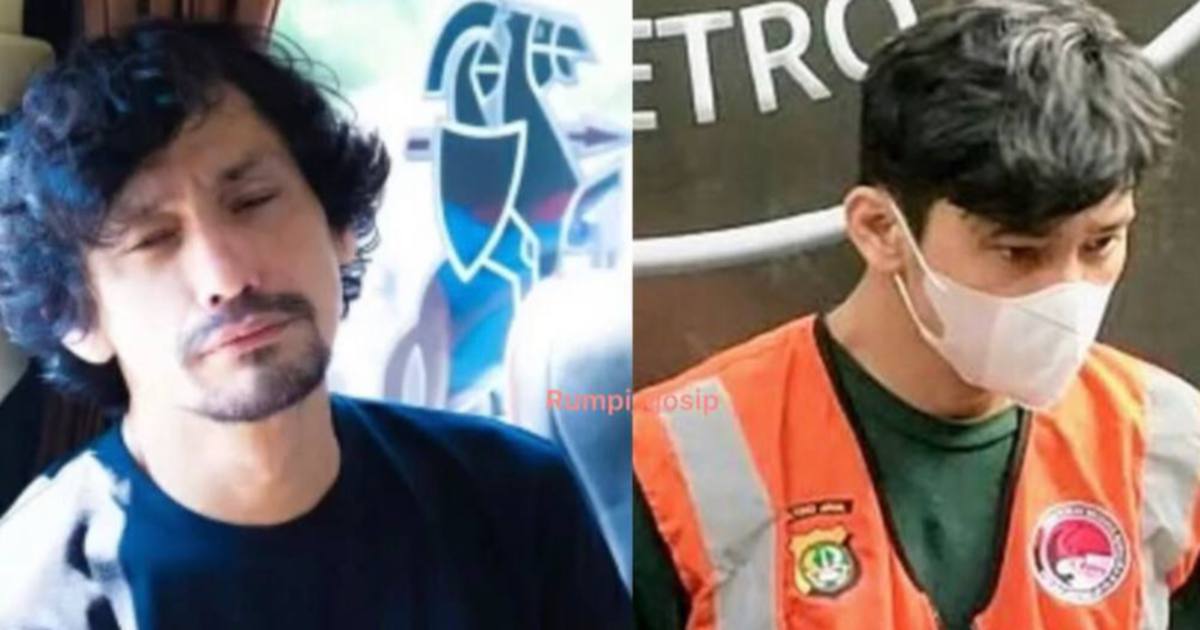
Indonesian actor Revaldo Fifaldi was detained yesterday following a drug enforcement operation targeting an apartment in South Jakarta's residential district. The arrest marks the fourth occasion on which the performer has faced police action related to controlled substances, representing an escalating pattern of legal entanglement that has increasingly overshadowed his entertainment career.
Authorities conducted the raid as part of ongoing efforts to combat narcotics trafficking and use within the sprawling metropolitan region. The operation centred on allegations of drug possession and consumption at the residential address, where officers discovered items consistent with drug use. South Jakarta, which encompasses affluent neighbourhoods alongside areas experiencing socioeconomic challenges, has remained a focal point for police narcotics operations in recent months.
Revaldo's repeated involvement with drugs has become a recurring headline in Indonesian entertainment journalism, where the actor's career once showed considerable promise. The 33-year-old has appeared in various film and television productions across Indonesia's vibrant media landscape, though his professional momentum has evidently suffered as a result of his legal difficulties. Each arrest has generated substantial media attention, transforming what might have remained a personal crisis into a matter of public record and discussion.
The circumstances surrounding his detention differ minimally from previous incidents, suggesting a pattern that extends beyond isolated lapses in judgment. Police have attributed Revaldo's claims to authorities that he consumed drugs solely to maintain physical fitness, a justification that underscores the individual's troubled relationship with substance abuse and the rationalizations that frequently accompany addiction. This particular assertion has drawn considerable scepticism from observers who recognise that controlled substances do not constitute an effective or legitimate fitness regimen.
Indonesia maintains among Southeast Asia's strictest drug laws, with severe penalties for trafficking, possession, and consumption. The country's approach to narcotics enforcement reflects decades of policy emphasising deterrence through substantial criminal consequences, a framework that has historically proven insufficient in addressing demand among vulnerable populations. Revaldo's case illustrates how even relatively modest quantities and personal consumption can trigger formal prosecution, distinguishing Indonesia's regulatory environment from those of many neighbouring nations.
The broader context of substance abuse within Indonesia's entertainment sector remains inadequately documented, though anecdotal evidence suggests that narcotics use occurs across socioeconomic strata and professional communities. The visibility of high-profile cases like Revaldo's potentially masks far more extensive problems within the industry that remain unreported or handled privately. However, the recurring nature of his arrests distinguishes his situation from isolated incidents, pointing instead toward chronic addiction requiring comprehensive intervention rather than criminal processing alone.
Repeated detention without corresponding evidence of meaningful rehabilitation or treatment raises pertinent questions regarding the efficacy of Indonesia's criminal justice approach toward substance abuse. Many criminal justice experts advocate for diversion programs, mandatory treatment pathways, and harm reduction strategies that could address underlying addiction issues whilst reducing recidivism. Revaldo's trajectory suggests that incarceration alone has failed to interrupt the cycle in which he remains trapped, a reality reflected in his fourth apprehension.
The implications for Revaldo's family and professional circumstances remain substantial. Each arrest further diminishes employment prospects within Indonesia's competitive entertainment industry, where reputation and public perception significantly influence opportunities. Productions featuring convicted drug offenders frequently encounter commercial and reputational complications, limiting directors' and producers' willingness to engage such performers. The cumulative effect has essentially terminated any realistic possibility of career rehabilitation within mainstream film and television.
This case also highlights broader challenges facing Southeast Asian entertainment industries regarding substance abuse among performers. While similar problems afflict entertainment sectors globally, the intersection of Indonesia's strict legal framework with limited treatment infrastructure creates particularly acute difficulties for individuals struggling with addiction. The recurring pattern of arrest-prosecution-release without intervening treatment addresses symptoms rather than underlying pathologies, perpetuating cycles that ultimately harm both the individual and society.
Looking forward, Revaldo's case will likely proceed through judicial processes established for drug-related offences, potentially resulting in imprisonment or substantial fines depending on the specific quantities and circumstances authorities document. The outcome remains uncertain, though historical precedent suggests significant legal consequences appear probable. His situation serves as a cautionary narrative regarding substance abuse escalation and the limitations of punitive approaches unaccompanied by comprehensive treatment and rehabilitation frameworks tailored toward individuals whose addiction has progressively destabilised their lives and professional circumstances.

