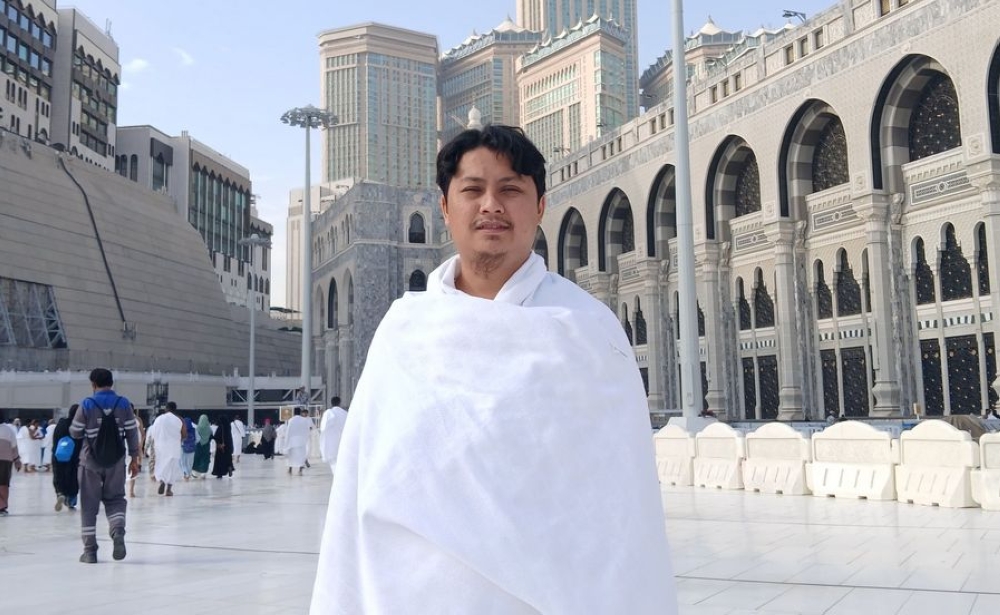
Police in Alor Setar have re-arrested activist Tamim Dahri Abdul Razak after his two-day remand concluded on July 20, marking another significant development in a case that has drawn attention from civil liberties advocates across Malaysia and the broader region. The move signals that investigators have gathered sufficient grounds to proceed with formal charges, though the specific allegations remain to be detailed when authorities present the case before the courts.
The decision to re-arrest Dahri immediately upon completion of his remand period suggests authorities view him as a flight risk or a threat to ongoing investigations, both common justifications under Malaysian law for extended custody. The timing also indicates that police investigators working on the case have reached a stage where they believe they have sufficient evidence to support their legal proceedings, though the exact nature of these allegations has not yet been disclosed to the public.
Tamim Dahri's case has become emblematic of broader debates surrounding activism and civil liberties in Malaysia. As a prominent activist figure, his detention has prompted responses from human rights organisations and advocacy groups who have expressed concerns about the treatment of political activists in the country. These observers argue that such cases merit careful scrutiny to ensure that legitimate dissent is not conflated with criminal conduct, a distinction that Malaysian courts have sometimes struggled to maintain in contentious cases.
The activist's trajectory reflects wider tensions within Malaysia's political landscape, where the line between legitimate protest and illegal activity remains contested. Various stakeholders interpret laws governing public assembly, sedition, and political speech differently, creating an environment where activists operate within considerable legal uncertainty. Dahri's case will likely become a reference point in ongoing discussions about how Malaysia balances national security concerns with constitutional protections for political expression.
The decision to bring formal charges tomorrow will mark a critical juncture in the proceedings. The specific charges filed will determine the legal framework through which the case proceeds and will provide greater clarity about what authorities are alleging. Different charge categories carry vastly different implications for potential penalties, trial duration, and the evidence that will be presented as proof of misconduct.
From a regional perspective, Malaysia's handling of activist cases receives considerable international attention. Neighbouring countries and international human rights bodies often reference these proceedings when assessing Malaysia's commitment to democratic values and adherence to international standards on freedom of expression and assembly. The manner in which authorities prosecute Dahri's case may therefore have ramifications extending beyond the immediate legal outcome, potentially influencing Malaysia's standing within broader Southeast Asian dialogues on governance and civil liberties.
The mechanics of Malaysian detention law allow police to remand suspects for investigation purposes, typically limited to fourteen days unless extended by courts. The completion of Dahri's two-day remand period and subsequent re-arrest suggests that investigators have used this window to gather evidence and prepare their case for prosecution. This procedural approach is standard practice, though the question of whether detention periods are proportionate to investigative needs remains contested among legal observers.
Civil society organisations in Malaysia have indicated they will monitor proceedings closely as the case develops. Such monitoring serves multiple functions: documenting the conduct of legal proceedings, ensuring compliance with procedural safeguards, and building public awareness about how the justice system treats political actors. These groups argue that transparency in such cases strengthens rather than weakens the rule of law by ensuring accountability across all institutional actors.
The charges expected tomorrow will likely influence broader conversations about activism in Malaysia. If Dahri faces serious charges, his case may inspire similar legal action against other activists, potentially creating a chilling effect on political mobilisation. Conversely, if the charges are perceived as weak or politically motivated, the case may strengthen activist networks and galvanise public sympathy, depending on how courts ultimately adjudicate the evidence and arguments.
Looking ahead, legal analysts will scrutinise how thoroughly police have built their case and whether the charges meet the threshold for credible prosecution. The quality of evidence and the legal grounds cited for charges will be particularly important, given heightened public sensitivity to how Malaysian authorities wield law enforcement tools against political figures. These factors will shape not only Dahri's personal fate but also broader perceptions about the independence of Malaysia's legal system.
The Alor Setar police action also reflects operational realities within Malaysian law enforcement, where investigations involving activist figures typically attract heightened supervisory attention and coordination. The decision to pursue charges suggests that investigators believe they have built a sufficient case that will survive judicial scrutiny, though the courts remain the ultimate arbiters of guilt or innocence.

