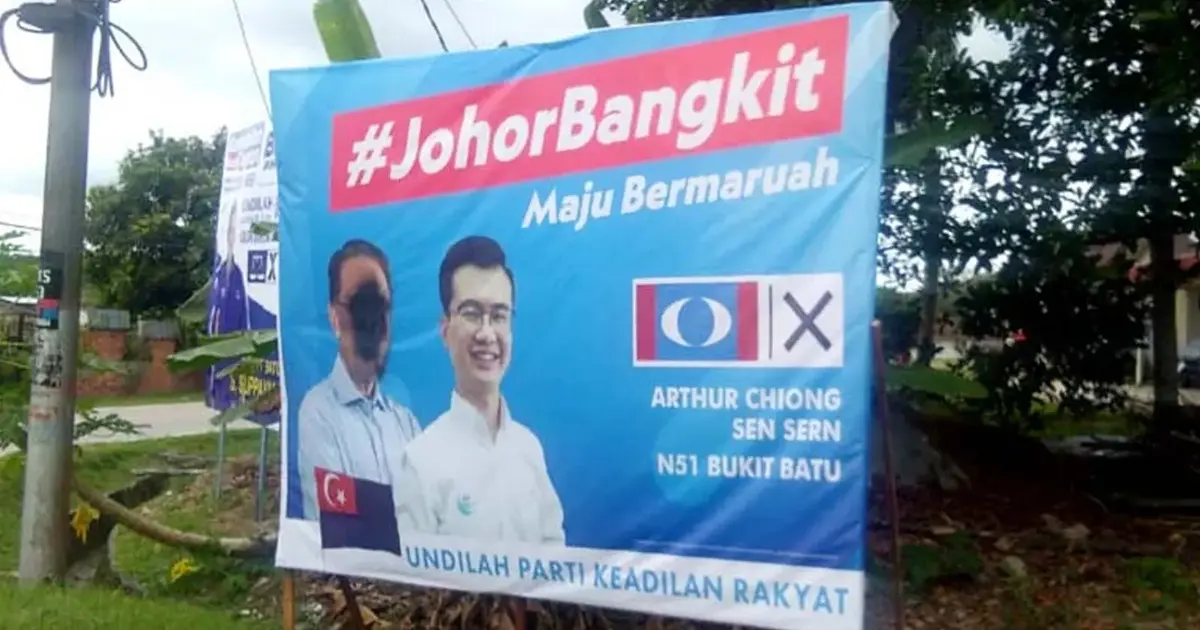
Inspector-General of Police Khalid Ismail has revealed that law enforcement received a total of 90 police reports throughout the campaign period, with 25 of these cases now proceeding to the investigation stage. In his assessment, the overwhelmingly majority of these incidents centre on relatively minor issues, predominantly vandalism complaints, rather than involving direct misconduct by political parties or their candidates seeking election office.
The disclosure by Khalid Ismail provides insight into the nature of law enforcement activities during what constitutes a politically sensitive period for Malaysia. Campaign seasons historically present challenges for police as heightened political activity and public engagement create fertile ground for various offences. However, the IGP's clarification that most cases involve vandalism and other minor infractions suggests the electoral environment remained relatively orderly, without widespread serious criminal allegations directed at political actors themselves.
Vandalism during campaign periods typically encompasses defacement of public property, removal or destruction of campaign materials, and damage to election-related infrastructure. Such incidents, while requiring police attention and investigation, differ significantly from allegations of electoral fraud, intimidation, or other offences that would directly undermine the integrity of the electoral process itself. The distinction Khalid Ismail drew between minor property-related offences and cases involving political actors represents an important clarification for public understanding of the security landscape during elections.
The ratio of 90 reports to 25 investigation papers suggests that approximately 28 percent of initial complaints proceeded to formal investigation. This filtering reflects standard police procedure whereby initial reports are assessed for merit and substance before formal investigative paperwork is generated. Some reports may have been dismissed as lacking sufficient evidence or legal foundation, while others may be pending further evaluation. This administrative process is routine in Malaysian law enforcement and does not necessarily indicate frivolous reporting.
From a Malaysian and Southeast Asian perspective, the relatively contained nature of these incidents reflects the Electoral Commission's ability to manage large-scale campaigns while maintaining public order. Regional counterparts face varying challenges during election seasons, with some nations experiencing significantly higher levels of electoral violence and criminal disruption. The fact that 90 reports across an entire campaign period represents a manageable caseload suggests Malaysian electoral security protocols functioned adequately, though vigilance remains necessary.
The investigative process for these 25 cases will likely determine whether any systemic patterns emerge requiring institutional response. Police typically examine whether certain constituencies, particular demographics, or specific campaign periods experienced concentrations of offences. Such analysis helps election authorities and security agencies refine strategies for future campaigns. The IGP's proactive communication about these figures demonstrates transparency in providing public reassurance during and after electoral exercises.
The distinction between minor infractions and serious electoral crimes carries significant implications for campaign regulation. When most police activity involves responding to vandalism rather than investigating organized intimidation or fraud, it indicates that parties and candidates largely complied with electoral conduct standards. This compliance, whether driven by genuine acceptance of rules or effective enforcement deterrence, contributes to public confidence in election management. However, the 25 ongoing investigations demand completion and appropriate prosecution where warranted.
For political stakeholders in Malaysia, these figures offer measured reassurance while cautioning against complacency. Campaign periods will inevitably generate some law enforcement activity as public engagement peaks. The challenge for both political actors and security forces involves distinguishing between normal electoral discourse and activities crossing into illegality. The IGP's statement suggests this calibration was largely achieved, though individual cases will reveal specifics upon conclusion.
The international dimension of electoral security merits attention as well. Regional observers and international election monitors often scrutinize police conduct during campaigns, examining whether enforcement remains impartial and proportionate. The prevalence of vandalism cases over political-related offences supports perceptions of even-handed policing, an element of electoral credibility that matters for Malaysia's standing in comparative regional contexts. Conversely, any patterns of selective enforcement or targeting would generate criticism and questions about institutional independence.
Moving forward, the 25 cases under investigation represent the substantive work of Malaysia's justice system. Timely completion of these investigations and transparent outcomes through the courts will demonstrate the integrity of post-campaign accountability. The police reports and subsequent investigations establish a documented record of electoral conduct, providing baseline data for assessing trends across successive campaign cycles. This institutional memory aids long-term analysis of electoral security and helps identify emerging challenges before they escalate into systemic problems.
The IGP's emphasis that these matters involve minor issues and do not implicate parties or candidates directly may provide relief to political stakeholders concerned about reputational damage or institutional targeting. Conversely, it underscores the responsibility of all electoral participants to maintain discipline within their ranks and ensure campaign activities comply with legal requirements. The transition from 90 reports to 25 formal investigations narrows the field significantly, concentrating police resources on cases with sufficient substantive foundation.

