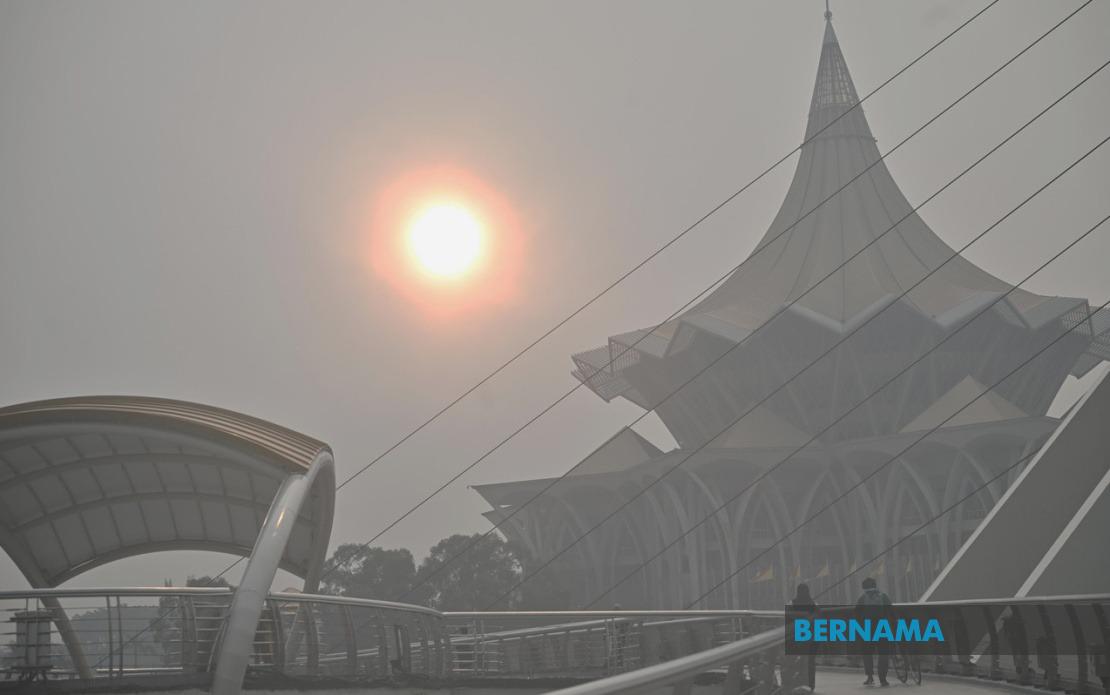
Sarawak's education system came to a standstill on August 20 as the state education authority made the difficult decision to close 591 schools for two consecutive days in response to increasingly severe heat and drought conditions. The mass closure, affecting 197,323 students across both primary and secondary institutions, underscores the growing threat posed by prolonged dry weather patterns that have gripped multiple regions of Malaysia's largest state and drawn urgent attention from disaster management officials.
The Sarawak Education Department coordinated the unprecedented closure across a sprawling network of educational facilities, with 509 primary schools enrolling 107,590 pupils and 82 secondary schools serving 89,733 students participating in the shutdown. The decision encompassed schools operating under ten separate District Education Offices, representing a significant disruption to the academic calendar that reflects authorities' concerns about student and staff safety during extreme weather events. Such closures remain relatively uncommon in the Malaysian school system, making this action a notable indicator of the severity of current conditions in Sarawak.
The geographical reach of the crisis extends across a broad swath of Sarawak's administrative regions. The affected districts—Kuching, Padawan, Bau, Lundu, Samarahan, Simunjan, Serian, Sri Aman, Lubok Antu, and Betong—encompass both urban centres and more rural areas, suggesting that the dry weather phenomenon has developed widespread rather than localized characteristics. This distribution pattern indicates that the problem transcends individual microclimates and reflects a broader atmospheric pattern influencing the entire region.
Beyond the immediate impact on schools, Sarawak's State Disaster Management Committee has escalated its monitoring protocols to address interconnected environmental and public health concerns. The committee identified multiple simultaneous risks stemming from the sustained high temperatures and absence of rainfall, including elevated dangers of uncontrolled fires across forests, peatlands, and open areas. These fire risks carry particular significance in a state where vast tracts of tropical forest and extensive peatland areas represent both ecological treasures and potential tinderboxes during dry seasons.
Water security has emerged as an equally pressing concern for the disaster management apparatus. The combination of heat and drought naturally strains freshwater supplies, and Sarawak's vulnerability to supply disruptions poses risks not only to households but to schools, hospitals, and industrial operations. The committee's explicit monitoring of water supply situations reflects recognition that prolonged dry spells can cascade into multiple simultaneous crises affecting essential services and quality of life across the state.
The air quality measurements recorded by midday on August 20 painted an alarming picture of atmospheric pollution affecting a substantial portion of Sarawak's populated areas. Nine locations registered unhealthy Air Pollutant Index readings, with Serian recording the highest concentration at 195, followed closely by Kuching at 191 and Lubok Antu at 191. Other significantly affected areas included Lundu at 180, Sri Aman at 178, Samarahan at 175, Tebedu at 169, Sarikei at 154, and Sibu at 108. While urban centres like Kuching and Sibu showed concerning levels, the equally high readings in smaller towns and districts such as Serian and Lundu suggest that air quality deterioration pervades communities of all sizes.
The sources of air pollution during these episodes typically combine multiple factors characteristic of dry season conditions in tropical Southeast Asia. While some pollution originates from industrial and vehicular emissions that concentrate in stagnant air masses, the unhealthy readings during periods of heat stress frequently indicate contributions from transboundary haze, particularly smoke from land-clearing activities and agricultural burning in neighbouring regions. Malaysia has experienced recurrent transboundary haze episodes originating from Indonesia, and elevated API readings in Sarawak's border districts may reflect such cross-border air movement.
The decision to close schools reflects official acknowledgment that extreme heat combined with poor air quality creates hazardous conditions for outdoor physical activities and potentially stresses vulnerable populations, particularly children with respiratory sensitivities. School closures also serve practical purposes beyond health considerations, as maintaining normal operations during such conditions strains institutional resources including water supplies, electricity consumption for cooling, and staff availability during periods when heat-related illnesses may sideline personnel.
From a regional perspective, Sarawak's environmental crisis exemplifies climate vulnerabilities affecting Southeast Asia more broadly. The state's experience with drought and heat stress carries relevance for policymakers across Malaysia and the region, as similar patterns have affected other states and countries during recent years. The coordination required between education authorities, disaster management agencies, and environmental monitoring services demonstrates the complex institutional responses now necessary to manage climate-related disruptions to normal life.
Looking forward, the Sarawak State Disaster Management Committee has committed to sustained vigilance and enhanced preparedness measures, particularly concentrating efforts in areas identified as facing elevated fire and water shortage risks. This forward-looking approach recognizes that individual crisis episodes require immediate response, but the underlying pattern of prolonged dry weather demands systematic strengthening of monitoring infrastructure, prevention capabilities, and mitigation strategies. The committee's emphasis on high-risk areas suggests a risk-based approach that prioritizes resources where potential for cascading failures and widespread impact proves greatest.
The temporary school closure, while disruptive to educational continuity and family routines, represents an intermediate measure designed to protect student welfare during an acute phase. However, the broader challenge facing Sarawak's leadership involves developing adaptive strategies for education delivery, disaster preparedness, and environmental management that can accommodate increasingly frequent or intense episodes of extreme weather. As climate patterns continue evolving, such events may transition from exceptional occurrences warranting school closures to recurring phenomena requiring fundamental adjustments to institutional operations and planning assumptions across multiple sectors.

