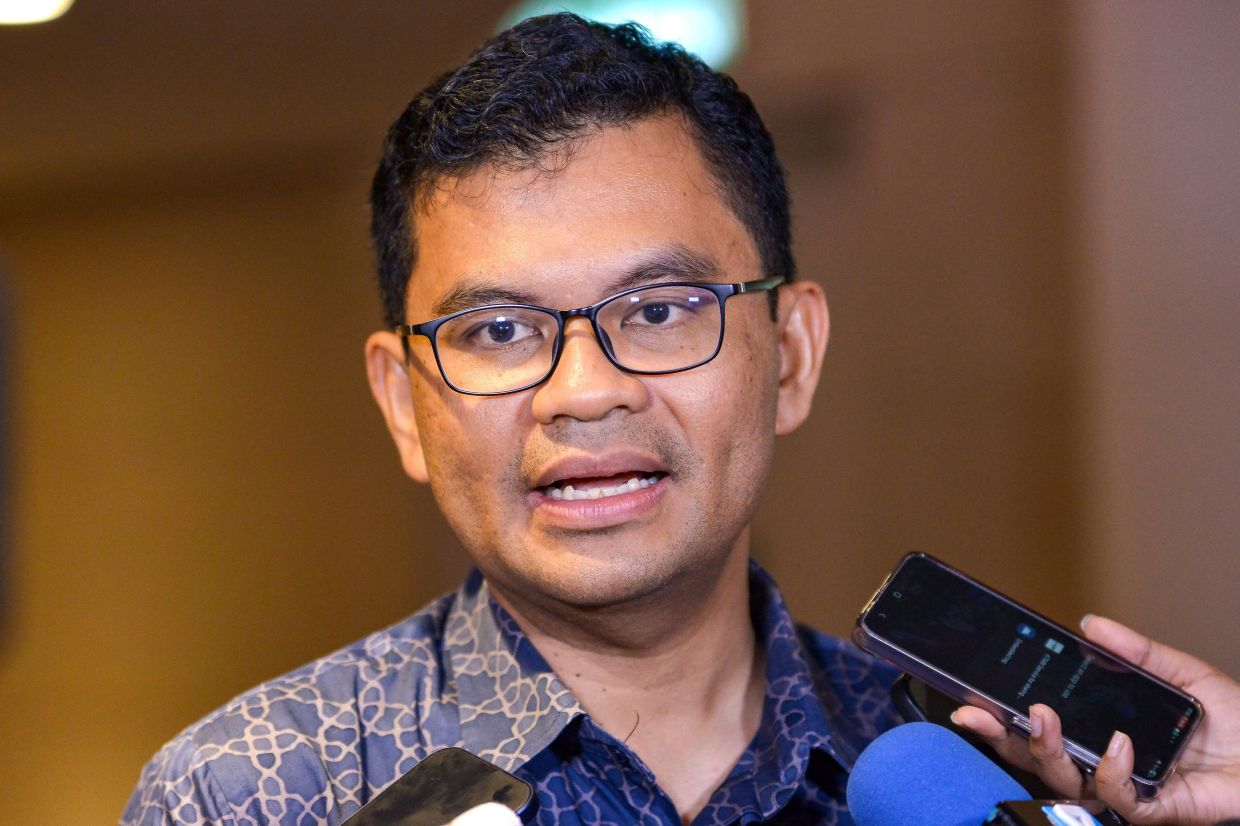
Malaysia's push to expand renewable energy generation has taken a major step forward, with 42 companies successfully securing projects under the 2026 Feed-in Tariff (FiT) mechanism. The awarded ventures are projected to mobilise approximately RM4.3 billion in total capital investment across the country, underscoring the government's commitment to accelerating the transition toward cleaner energy sources while fostering domestic economic activity.
Economy Minister Akmal Nasrullah Mohd Nasir unveiled the selections at the 7th International Sustainable Energy Summit (ISES 2026), revealing that the successful applicants span three renewable technologies. The portfolio comprises 16 biogas projects, 11 biomass initiatives and 15 small hydropower schemes, collectively representing an approved generation capacity of 331.355 megawatts. The breakdown reflects Malaysia's diverse renewable resource base, with hydropower projects contributing the largest share at 169.23 megawatts, followed by biomass at 135.94 megawatts and biogas at 26.185 megawatts.
Beyond kilowatts and investment figures, these projects carry significant implications for Malaysia's manufacturing and employment landscape. Minister Akmal highlighted that the schemes will generate approximately RM617 million in demand for locally manufactured gas engines and boilers, a development that could strengthen domestic supply chains and support local industry competitiveness. The FiT awards are also expected to create around 7,738 indirect employment opportunities, spreading economic benefits across rural and urban communities and reducing dependence on imported renewable energy components.
The 2026 FiT intake represents a carefully curated selection from a broader field of interest. The Sustainable Energy Development Authority (SEDA) Malaysia received a total of 48 applications for biogas, biomass and small hydropower projects, which collectively requested capacity allocations worth 370.480 megawatts. The fact that the authority approved 42 of these applications—roughly 88 per cent—demonstrates strong market appetite for renewable energy projects in Malaysia, even as it indicates that rigorous vetting mechanisms remain in place.
Selection criteria extended beyond raw capacity metrics and financial projections. The evaluation process factored in site suitability, with assessments ensuring that chosen locations possessed adequate resource quality and geographic advantages for viable operations. Tariff rates submitted by applicants underwent comparative analysis to identify competitive and sustainable pricing structures. Technical considerations also weighed heavily, encompassing engineering feasibility, equipment specifications and operational requirements specific to each technology type. Additionally, the authority examined whether sufficient ecosystem support existed—encompassing supply chain readiness, grid connection infrastructure and regulatory frameworks—to enable successful project execution.
For Malaysian stakeholders and international investors, the timeline provides crucial visibility. Minister Akmal indicated that the awarded projects are targeted for full system integration between 2029 and 2030, suggesting a phased implementation approach over the next three to four years. This runway permits detailed planning, procurement, construction and grid connection activities without unrealistic acceleration pressures that might compromise quality or increase risk.
The implications for Southeast Asia's energy landscape merit attention. Malaysia's FiT programme, while tailored to local conditions, serves as a reference point for regional peers evaluating renewable energy incentive structures. The emphasis on biogas and biomass reflects the region's agricultural and agro-industrial heritage, making these technologies particularly suited to resource-rich developing economies. The success in attracting substantial private investment through fixed tariff mechanisms could inform discussions in neighbouring countries facing similar pressures to decarbonise while maintaining affordable energy access.
From a macroeconomic perspective, the RM4.3 billion investment influx represents meaningful stimulus for domestic construction, engineering and manufacturing sectors. Projects spanning biogas, biomass and hydropower typically demand extended supply chains—from initial site development and equipment fabrication through operational maintenance—generating sustained employment and revenue flows rather than one-time capital injections. The emphasis on locally manufactured components further amplifies multiplier effects throughout the economy.
The FiT mechanism itself remains central to Malaysia's renewable energy strategy, having previously catalysed substantial solar and wind capacity additions. By extending FiT coverage to underutilised renewable resources such as small hydropower and agricultural residue-based biomass, policymakers are maximising the diversity and resilience of Malaysia's energy mix. This diversification reduces dependency on any single renewable source and better matches generation capacity to seasonal and geographic variations in resource availability across the peninsula and East Malaysia.
Looking forward, the 2026 cohort announcement sets expectations for subsequent FiT tranches. If Malaysia maintains momentum with comparable future awards, the cumulative impact on renewable energy targets could prove transformative. Current National Energy Policy objectives hinge on sustainable energy reaching 31 per cent of installed capacity by 2025, with further expansion thereafter. Large-scale FiT deployment across multiple technology platforms positions Malaysia to exceed these benchmarks while building investor confidence in long-term policy stability.
The successful allocation also underscores the Sustainable Energy Development Authority's evolving role as an effective project curator and market administrator. SEDA's ability to sift through applications, apply consistent criteria and communicate clear timelines enhances Malaysia's reputation as a rules-based, predictable environment for renewable energy investment—a competitive advantage in a region where policy uncertainty often deters long-term capital commitments.

