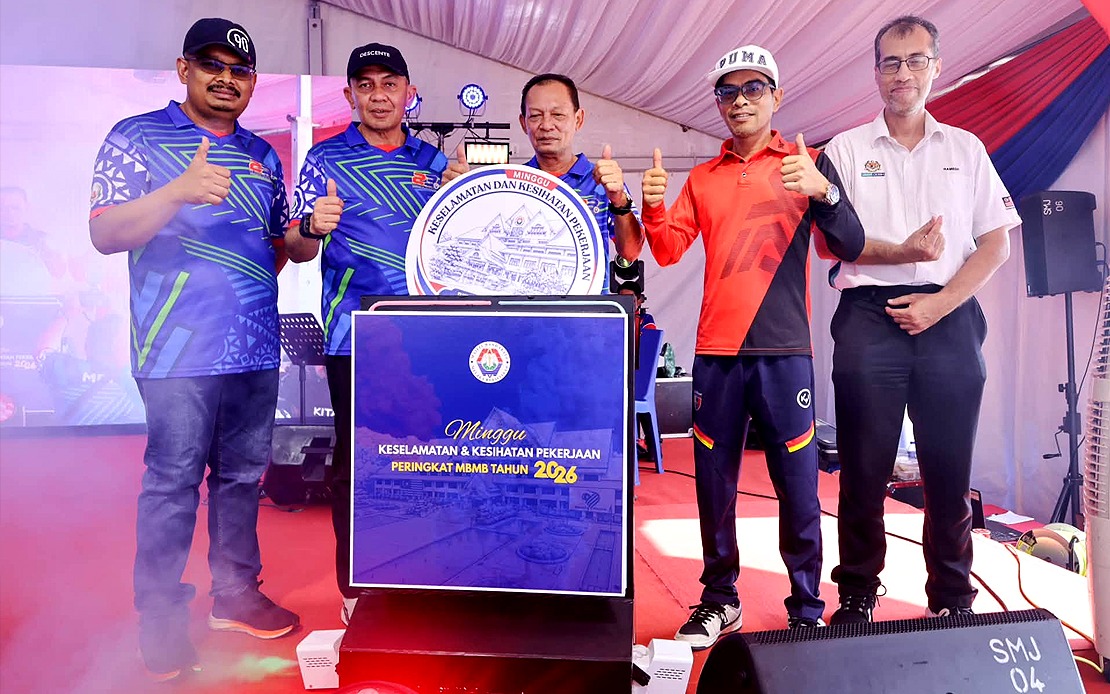
Melaka has recorded 277 workplace accidents causing varying degrees of permanent and temporary disability across multiple industries during the opening half of 2026, highlighting persistent challenges in occupational safety compliance throughout the state. The incidents span diverse economic sectors, underscoring how workplace hazards remain a challenge across both blue-collar and industrial operations in the region. Among these cases, three workers lost their lives—two employed in the construction industry and one in manufacturing—a reminder of the grave risks inherent in high-risk sectors that demand continuous vigilance and enforcement.
Ramesh Zakir Shamsul, director of the Melaka Department of Occupational Safety and Health (DOSH), presented these figures while addressing attendees at the launch of the Melaka Historic City Council's 2026 Occupational Safety and Health Week celebration. While expressing cautious optimism that accident rates remain comparatively controlled, Ramesh Zakir emphasised that monitoring remains unrelenting. The department continues to conduct regular inspections and surveillance of industrial operations, ensuring that both business owners and workers adhere to established safety standards and regulatory frameworks.
Under the provisions of the Occupational Safety and Health Act 1994 (Act 514), every workplace accident must be formally reported to the authorities without exception. Once notified, DOSH initiates detailed investigative procedures to determine root causes, identify culpable parties, and recommend corrective measures. This statutory approach ensures that accidents are not treated as isolated incidents but rather as opportunities to strengthen systemic protections across the workplace ecosystem.
The responsibility for maintaining safe working environments rests squarely with employers, who bear the legal and moral obligation to implement protective measures, conduct regular risk assessments, and provide adequate training to their workforce. Ramesh Zakir stressed that DOSH does not operate in isolation—successful occupational safety requires coordinated effort from multiple stakeholders including employers, workers, government agencies, and local authorities. The state deputy senior executive councillor for Housing, Local Government, Drainage, Climate Change and Disaster Management, Datuk Zulkiflee Mohd Zin, officiated the safety week celebration, underscoring the government's institutional commitment to this critical agenda.
Melaka's administrative bodies, particularly the historic city council under Mayor Datuk Shadan Othman, have demonstrated tangible support for occupational safety initiatives by partnering with DOSH on awareness-raising programmes. This collaborative approach recognises that workplace safety culture cannot be imposed from above but must be cultivated through sustained engagement. Workshops, educational seminars, and community talks (ceramah) serve as practical channels through which safety knowledge reaches employers and workers at the grassroots level.
The presence of Ahmad Jailani Mansor, DOSH's deputy director-general for Occupational Health, at the official launch underscores the technical and administrative support mobilised to address these concerns. This senior representation signals that occupational health is treated as a priority at the federal level, not merely a state-level concern. The distinction matters, as it ensures that resources, expertise, and policy coordination flow from the national apparatus down to Melaka's industrial stakeholders.
For Malaysian readers and businesses operating in Melaka, the data carries immediate implications. The construction and manufacturing sectors, which accounted for all three fatalities, require heightened scrutiny and investment in safety protocols. These sectors typically employ migrant workers and contract labour, populations that sometimes face communication barriers or vulnerability regarding their rights. Ensuring that safety awareness extends to all workers, regardless of background or employment status, remains a critical gap that employers must address.
The first-half snapshot also invites reflection on whether current compliance rates are truly satisfactory or whether the figures represent only reported cases. Informal sector workers, small enterprises, and micro-businesses may not report all incidents consistently, suggesting that actual accident numbers could exceed official counts. This reporting gap underscores why DOSH's monitoring and outreach work remains essential and why continued employer engagement is necessary to improve transparency and accountability.
Looking ahead, the emphasis on collaborative efforts between DOSH, municipal councils, and the business community offers a template that other Malaysian states might emulate. Melaka's Historic City Council's willingness to integrate occupational safety into its governance framework demonstrates that local authorities can play an active role beyond traditional municipal functions. As Malaysia continues its industrial development and faces growing pressure to comply with international labour standards and trade agreements, states that embed safety culture into their business ecosystems will likely enjoy competitive advantages in attracting responsible investments and maintaining workforce productivity.

