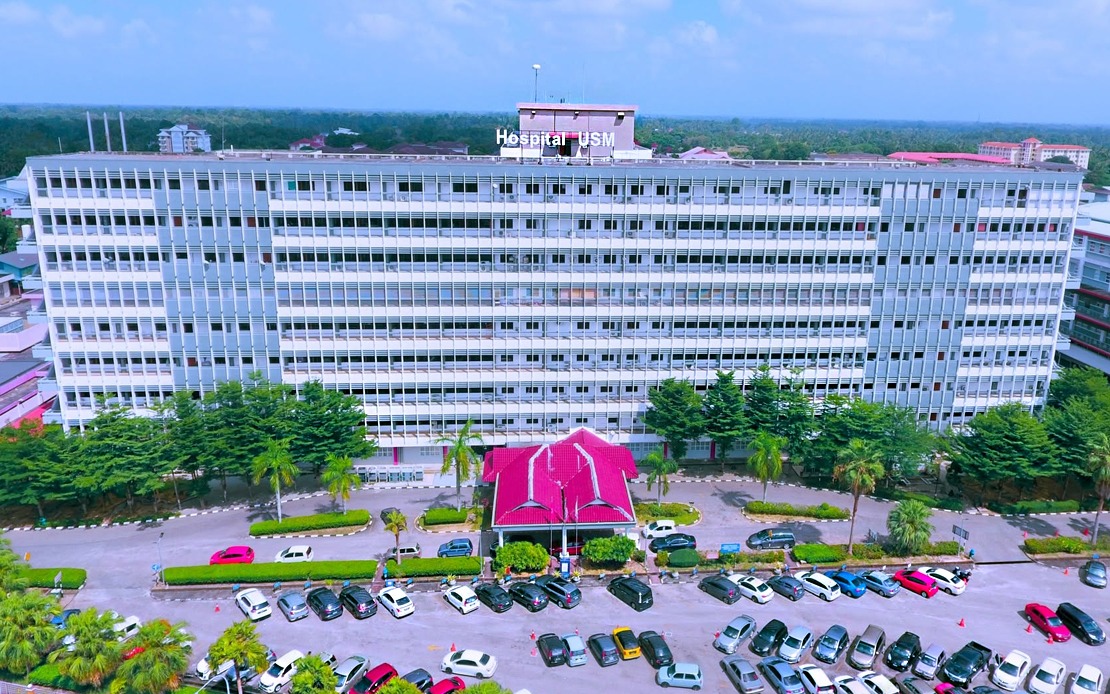
Twenty-three schoolchildren between the ages of seven and 19 will undergo corrective eye surgery at Universiti Sains Malaysia Specialist Hospital (HPUSM) during an intensive five-day programme beginning this month, providing relief from the chronic delays that have plagued the procedure for years. The surgical intervention, taking place as part of the second Strabismus Surgery Carnival, represents a concerted effort to tackle a backlog where patients have previously endured waits stretching from several months to multiple years.
Strabismus, commonly referred to as eye misalignment or crossed eyes, has been a persistent challenge within Malaysia's ophthalmology services, particularly in the states. The condition occurs when the eyes fail to align properly, creating a noticeable cosmetic concern that extends far beyond simple appearance. According to Datuk Dr Ab Rahman Izani Ghani @ Ab Ghani, director of HPUSM, the surgical carnival represents a significant advancement in clearing the backlog and improving access to care for affected children and young people throughout Kelantan.
The identification of these 23 surgical candidates stems from a systematic three-year screening initiative known as HPUSM's Short-sightedness and Strabismus Eye Intervention Programme, which has been conducted across schools throughout Kelantan. This proactive approach to early detection has proven remarkably effective, with the hospital identifying approximately 300 students exhibiting various eye problems during the screening period. The focus on strabismus specifically has enabled the hospital to prioritise those requiring immediate surgical intervention.
The surgical carnival brings together a multidisciplinary team of eye care specialists, including ophthalmology consultants with particular expertise in strabismus correction, general ophthalmologists, and postgraduate students pursuing advanced training in eye medicine. This collaborative model not only facilitates the completion of necessary surgeries but also creates a valuable educational environment for the next generation of eye specialists, ensuring knowledge transfer and maintaining high professional standards throughout the procedure.
Financial support for the surgical programme has been secured through partnerships with the Kelantan Islamic Religious and Malay Customs Council (MAIK) alongside contributions from several non-governmental organisations. This funding model demonstrates how public institutions and community organisations can combine resources to address healthcare gaps, particularly in states where private ophthalmology services may be limited. The arrangement ensures that families facing financial constraints need not delay treatment for their children.
Professor Dr Shatriah Ismail, a paediatric ophthalmology consultant at USM's School of Medical Sciences, emphasises that strabismus extends well beyond cosmetic considerations. The condition directly impacts visual function, compromising the eye's ability to work together effectively and track objects with proper coordination. For developing children, this functional impairment carries significant implications for learning, motor development, and the formation of normal binocular vision patterns.
The psychological dimension of strabismus in children represents another critical concern often overlooked in discussions of the condition. Young people with misaligned eyes frequently experience reduced self-confidence and social difficulties, potentially affecting their educational experience and peer relationships during formative years. Correcting the condition surgically removes a visible source of self-consciousness while simultaneously restoring proper visual function, creating immediate improvements in both clinical outcomes and quality of life.
The extended waiting periods previously associated with strabismus surgery in Malaysia have represented a significant gap in healthcare delivery, particularly affecting lower-income families without access to private ophthalmology clinics. Children waiting months or years for corrective surgery continue experiencing the functional and psychological consequences throughout a critical period of visual and social development. The carnival model pioneered by HPUSM offers a sustainable pathway to reducing these delays while maintaining surgical quality and providing training opportunities.
For Malaysian healthcare policymakers and regional observers, the Kelantan initiative demonstrates a practical model for addressing specialised surgical backlogs without requiring major capital investment in additional permanent infrastructure. By concentrating resources and specialist expertise into intensive, time-limited campaigns, hospitals can process significant numbers of cases while maintaining clinical standards and reducing per-case costs through economies of scale. This approach has particular relevance across Southeast Asia, where many countries face similar constraints in specialized eye care access.
The screening programme's success in identifying 300 students with vision problems underscores a broader lesson about preventive healthcare: systematic, school-based detection programmes can effectively identify conditions requiring intervention before they cause significant developmental or educational impact. With approximately 300 affected students identified but only 23 receiving surgery during this carnival, HPUSM faces the ongoing challenge of scheduling additional surgical campaigns to address the remaining cases, suggesting that while progress has been made, sustained effort remains necessary.
Moving forward, the strabismus surgery carnival model could potentially be replicated in other Malaysian states facing similar backlogs, particularly in Sabah, Sarawak, and other regions with limited specialist eye care capacity. Standardising screening protocols, training additional specialists in strabismus correction, and scheduling regular surgical carnivals would progressively eliminate the current waiting periods. The involvement of teaching hospitals and postgraduate training programmes ensures that expansion would simultaneously build local specialist capacity.
The 23 students who will undergo surgery during this carnival week represent not merely individual cases but a demonstration of what systematic, coordinated healthcare delivery can achieve. Their successful treatments will likely restore proper binocular vision, enhance educational performance, and boost self-confidence during crucial developmental years. For families and communities in Kelantan, the carnival signals that specialised care, once seemingly inaccessible, is increasingly within reach through innovative service delivery models.

