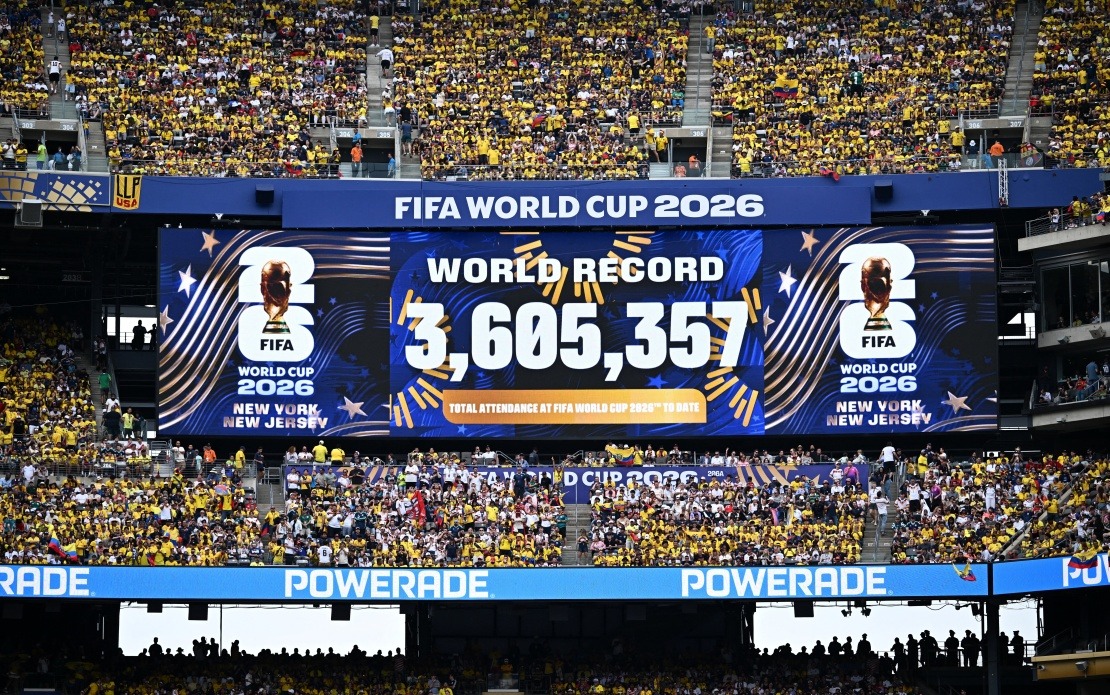
The 2026 FIFA World Cup has etched itself into sporting history by becoming the most heavily attended tournament of all time, surpassing the longstanding record set in 1994 when the competition drew nearly 3.6 million spectators. The milestone was reached during Germany's fixture against Ecuador in East Rutherford, New Jersey, on Thursday, with the cumulative attendance figure of 3,605,357 announced to enthusiastic crowds via the stadium's giant screens as fans erupted in applause.
The announcement carries profound significance for the sport's global footprint and commercial potential, particularly as the tournament unfolds across multiple North American venues. What makes this achievement especially remarkable is that organisers still have 48 matches remaining on the schedule, suggesting the final attendance figures could potentially approach double the 1994 benchmark. The earlier tournament, held in the United States, featured only 52 matches in total, meaning the 2026 competition's expanded format with additional fixtures promises substantially larger overall numbers by tournament's conclusion.
The consistency of attendance across venues underscores the deep appetite for World Cup football in North America and beyond. Stadiums hosting 2026 World Cup matches have operated at over 99 per cent capacity on average, a striking testament to the tournament's drawing power. This near-complete stadium utilisation across 16 host cities demonstrates that the expanded 48-team format, despite concerns from traditionalists about diluting competition quality, has resonated powerfully with supporters willing to travel and purchase tickets at premium prices.
For Southeast Asian readers and Malaysian football enthusiasts, the attendance surge highlights the globalisation of World Cup fever and its economic implications. The 2026 tournament's success in filling stadiums suggests that future host nations, potentially including Asian countries, can expect significant commercial returns from hosting football's premier event. The data also reflects shifting demographics and increased disposable income in North America, enabling families and supporters to invest in attending multiple matches.
FIFA President Gianni Infantino characterised the attendance breakthrough as validation of football's universal appeal and its capacity to unite diverse populations in celebration and shared passion. His remarks emphasise the tournament's role transcending sport itself, functioning as a vehicle for cultural exchange and community bonding across the 16 participating cities. This perspective frames the record-breaking attendance not merely as a commercial success but as evidence of football's deeply embedded position in global popular culture.
The 1994 World Cup in the United States established the foundation for this renewed attendance surge, introducing American audiences to the sport's grandeur and establishing infrastructure that remains relevant today. The 32 years separating the two tournaments have witnessed dramatic changes in global football consumption, digital connectivity, and fan engagement strategies. Modern marketing, social media amplification, and the increased competitiveness of international football have combined to create unprecedented demand for live match experiences.
The expanded format introduced for 2026, featuring 48 teams instead of the traditional 32, generated substantial debate within football governance circles. Critics argued the additional matches would produce less competitive fixtures, particularly in group stages, and potentially diminish the tournament's prestige. However, attendance figures suggest supporters prioritise the opportunity to witness World Cup football live, regardless of match significance, indicating that fan experience and accessibility to the event matter substantially in purchasing decisions.
For Malaysia and other Southeast Asian nations, the attendance phenomenon carries strategic implications. Qualifying for future World Cups remains extraordinarily difficult for the region, yet the tournament's growth trajectory suggests increasing commercial opportunities exist in broadcasting rights, fan tourism, and hospitality services when matches occur geographically closer to Asian markets. The North American success provides a template for understanding which venues, stadium configurations, and promotional strategies maximise attendance.
The distribution of matches across 16 cities rather than concentrating the tournament in fewer locations proved instrumental in achieving the record-breaking attendance. This decentralised approach reduced travel distances for substantial fan populations, particularly relevant in a continent as geographically dispersed as North America. Stadium availability and existing capacity in multiple markets enabled FIFA to schedule simultaneous matches across venues, providing scheduling flexibility and reducing fixture congestion that might otherwise have suppressed attendance.
Looking forward, the 2026 World Cup's attendance achievement establishes a new benchmark that future host nations will struggle to replicate. The success reflects not only football's popularity but also the specific context of hosting in economically developed regions with high household incomes, substantial stadium infrastructure, and established sporting cultures. Nations aspiring to host future tournaments will need to consider whether their markets can generate comparable interest levels and whether stadium capacity supports the expanded format.
The records being set in 2026 will influence FIFA's strategic planning for subsequent tournaments and potentially inform discussions about permanent tournament expansion. Should attendance figures continue tracking towards double the 1994 record, the financial case for maintaining the 48-team format becomes substantially stronger, despite competitive considerations. Revenue from ticket sales, hospitality, and stadium operations generates funds distributed to football associations globally, including those in developing nations seeking to strengthen domestic programmes.

