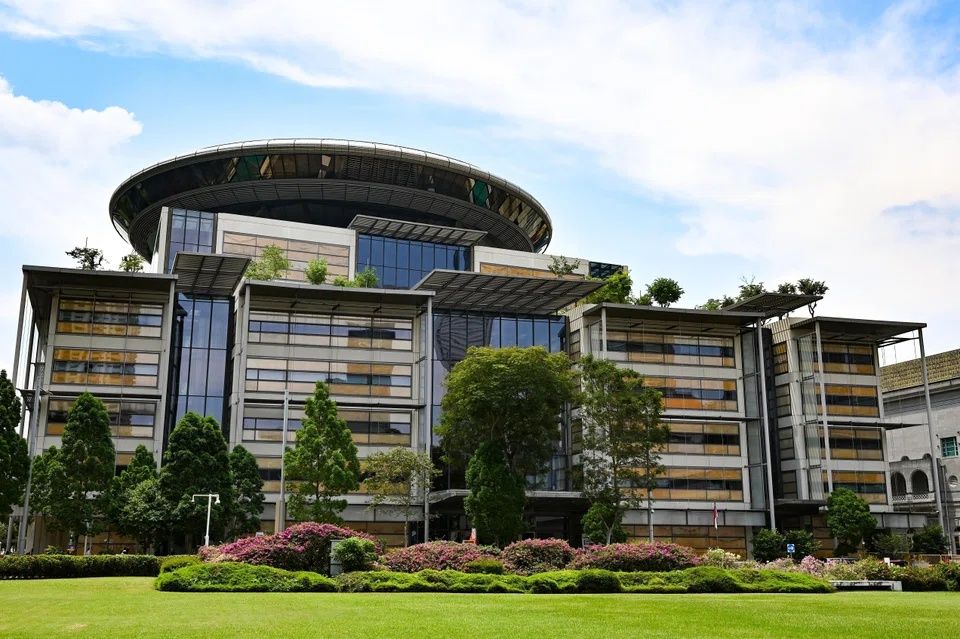
The path to accountability in the 1Malaysia Development Bhd (1MDB) scandal has widened with a significant judicial victory for asset recovery efforts, as Singapore's High Court has rejected Standard Chartered Bank's attempt to halt a US$2.7 billion lawsuit proceeding against it. The decision, announced on Tuesday and confirmed through statements on Wednesday, represents a crucial development in the protracted international legal battle to recover funds misappropriated during the fund management crisis that shook Malaysia's financial reputation globally.
The court's rejection of Standard Chartered's strike-out application—which sought to have the entire case dismissed before trial—came after the bank appealed a similar November 2025 dismissal decision. Rather than halting the proceedings as the bank sought, the judgment clears the path toward full trial proceedings, allowing the liquidators representing former 1MDB subsidiary entities to present their comprehensive case regarding the bank's alleged role in facilitating the scandal's mechanics.
The lawsuit was initiated in June 2025 by Angela Barkhouse and Toni Shukla, acting as liquidators for three former 1MDB-connected entities: Alsen Chance Holdings Ltd, Blackstone Asia Real Estate Partners Ltd, and Brightstone Jewellery Ltd. These companies were used as vehicles through which 1MDB's funds were allegedly channelled and concealed. The liquidators' legal strategy focuses on establishing Standard Chartered's knowledge and participation in the fund transfers that enabled the original misappropriation to occur undetected.
Central to the liquidators' allegations is an assertion that Standard Chartered authorised more than one hundred intra-bank transfers while deliberately disregarding multiple warning signals that should have triggered compliance reviews. The suit characterises these transactions as part of a systematic effort to obscure the origins and destinations of misappropriated capital. The scale of alleged involvement—over 100 transfers—suggests that the legal team is preparing to demonstrate a pattern of institutional knowledge rather than isolated lapses in due diligence.
Standard Chartered has indicated its determination to continue legal resistance, with a bank spokesperson confirming the institution's intention to seek permission for a further appeal. This signals that the financial institution views the stakes as sufficiently high to warrant exhausting available appellate avenues. The bank's continued opposition underscores the commercial and reputational significance of the case, even as the liquidators advance toward trial preparation.
For Malaysia, the progression toward trial carries both symbolic and practical importance. The liquidators' statement emphasised that their recovery efforts ultimately serve the interests of the Malaysian people, repositioning asset recovery not merely as a technical financial matter but as a mechanism for restoring resources to the nation. This framing reflects the broader political context in which 1MDB has become emblematic of accountability challenges and institutional reform requirements.
The legal team assembled for this effort reflects the case's complexity and international scope. Lok Vi Ming SC, Joseph Lee, Mohd Haireez, Tan Kah Wai, and Koo Jin Rong of LVM Law Chambers LLC represent the claimants, while Lim Chee Wee Partnership of Kuala Lumpur coordinates global recovery efforts across multiple jurisdictions. This structure demonstrates the reality that 1MDB-related asset recovery has become a coordinated international endeavour spanning multiple legal systems and regulatory frameworks.
The Singapore venue itself carries significance, as the city-state has positioned itself as a regional financial centre with robust dispute resolution mechanisms. By advancing in the Singapore High Court, this particular recovery effort operates within a legal system known for commercial sophistication and efficient case management. However, the USD 2.7 billion quantum involved exceeds most traditional commercial disputes, elevating the case's complexity and requiring the court to grapple with novel questions regarding institutional liability in cross-border fund misappropriation scenarios.
Standard Chartered's position within this litigation must be understood within the broader context of banking sector accountability regarding anti-money laundering compliance and sanctions screening. Since the 1MDB scandal's revelation, financial institutions globally have faced heightened scrutiny regarding their roles in enabling large-scale fraud. The case against Standard Chartered therefore extends beyond the specific facts of the 1MDB situation to encompass systemic questions about banking sector gatekeeping responsibilities and the consequences of institutional failure.
The advancement to trial stage represents a watershed moment for the asset recovery programme because it confirms that Singapore's courts view the liquidators' allegations as sufficiently substantive to warrant full judicial examination. Strike-out applications are typically granted only when claims appear fundamentally deficient as a matter of law; their rejection here suggests the liquidators have constructed a legally coherent case that deserves adjudication on the merits. This procedural milestone therefore validates the recovery team's investigative and legal strategy while creating significant uncertainty for Standard Chartered regarding ultimate liability exposure.
Looking forward, the trial process will likely expose the operational mechanics through which 1MDB's funds were channelled internationally, potentially revealing institutional practices and compliance failures that extend beyond Standard Chartered itself. Malaysia's financial sector and regulatory authorities will monitor developments closely, as the findings may generate lessons relevant to contemporary compliance requirements and institutional governance frameworks across Southeast Asia's banking industry.

