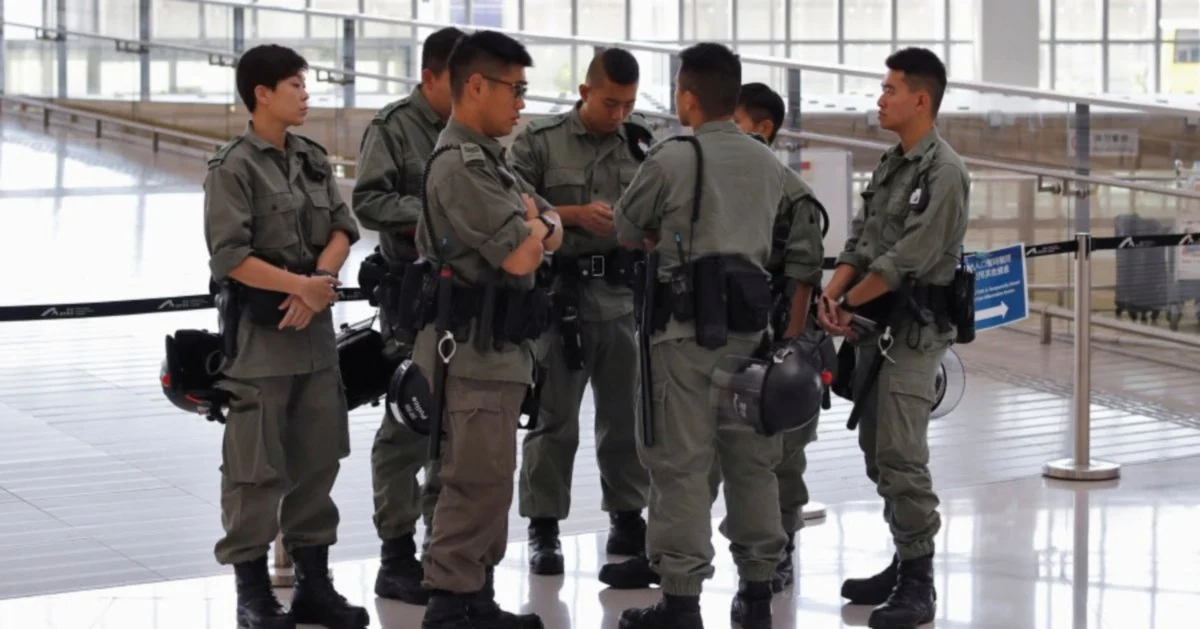
A 19-year-old Malaysian national was apprehended by Hong Kong authorities at Hong Kong International Airport on July 9 after customs officials uncovered a substantial quantity of cannabis buds stashed in his luggage during a routine baggage screening. The discovery of approximately 3kg of the controlled substance has triggered renewed attention to drug smuggling operations targeting key transit hubs across the region, with implications extending beyond Hong Kong to Malaysia's own border enforcement challenges.
The arrest marks another incident in a troubling pattern of young Southeast Asians becoming entangled in international drug trafficking schemes. Intelligence agencies across the region have grown increasingly concerned about criminal networks recruiting vulnerable youth as mules, often capitalizing on financial desperation or limited awareness of severe legal consequences in destination countries. Hong Kong's proximity to major drug production centres and its status as a global transit hub make it an attractive staging point for such operations, placing it at the intersection of multiple trafficking corridors.
The circumstances surrounding the teenager's presence at the airport remain under investigation, though law enforcement officials typically examine whether individuals were acting independently or as part of a larger smuggling ring. The scale of the seizure—3kg—suggests commercial intent rather than personal consumption, indicating the young man may have been operating within an organized network rather than attempting a one-off transaction. Such discoveries frequently lead investigators upstream to identify larger supplier networks and downstream distribution channels.
Malaysia faces particular vulnerabilities in combating transnational drug trafficking due to its geographic position astride major shipping lanes and air corridors. The country's porous borders and extensive coastline, coupled with sophisticated criminal infrastructure, have made it both a transit route and a consumption market for illicit substances. The involvement of young nationals in such operations reflects broader vulnerabilities in education, economic opportunity, and community support systems that criminal organizations ruthlessly exploit.
Hong Kong's drug enforcement agencies maintain some of the world's most stringent penalties for trafficking offences, with sentences for serious narcotics crimes extending to life imprisonment in aggravated cases. The jurisdiction's zero-tolerance approach, while effective as a deterrent, underscores the catastrophic legal jeopardy facing individuals caught smuggling controlled substances. Malaysia maintains similarly severe statutes, including mandatory death penalties for trafficking large quantities of drugs, making such arrests not merely administrative matters but serious criminal proceedings with life-altering consequences.
The Malaysian government has long prioritized drug enforcement as a national security concern, dedicating substantial resources to border controls and intelligence gathering. However, the continued apprehension of Malaysian nationals attempting to smuggle drugs through international airports demonstrates that prevention efforts remain challenged by the substantial profit margins that attract new recruits to trafficking networks. Every arrest represents not only a law enforcement success but also a failure of upstream intervention and community protection mechanisms.
Regional cooperation between Hong Kong and Malaysia through existing law enforcement partnerships typically intensifies following such seizures, with authorities exchanging intelligence about trafficking methods, routes, and organizational structures. These channels prove invaluable for mapping supply chains and identifying vulnerable populations targeted for recruitment. The fact that Hong Kong customs detected the contraband through routine screening reflects the effectiveness of modern detection technologies and well-trained personnel, though similar vigilance at Malaysia's own entry and exit points remains inconsistent.
The psychological profile of young people recruited into drug smuggling typically reveals individuals facing economic pressure, limited legitimate employment prospects, or susceptibility to manipulation by older organizers. Prevention strategies focused solely on law enforcement consequences have proven insufficient without complementary investments in youth employment, vocational training, and community intervention programmes. Regional experts increasingly emphasize that addressing supply-side smuggling requires addressing the socioeconomic drivers that make the proposition attractive to economically marginalized youth.
International media coverage of such arrests carries deterrent value, though evidence suggests that graphic public reporting may paradoxically increase applications from desperate individuals willing to accept extreme risks for promised financial returns. The balance between transparency in law enforcement and responsible communication about consequences remains an ongoing challenge for authorities and media organisations committed to reducing trafficking incidents. As this case progresses through Hong Kong's judicial system, Malaysian officials will undoubtedly review lessons applicable to their own border security and youth outreach initiatives.

