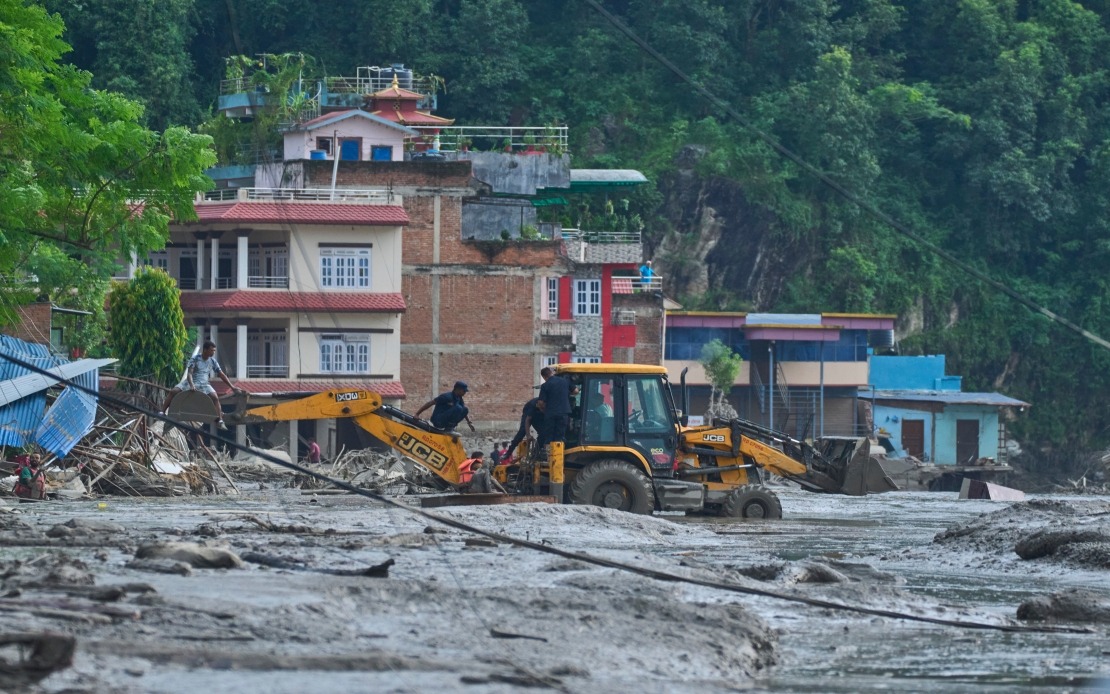
Seventeen Malaysian nationals have gone missing in the aftermath of catastrophic flash floods that struck Nepal's Rasuwa district on Wednesday morning, joining hundreds of other foreign citizens caught in one of the region's most devastating natural disasters this year. According to Nepal's tourism board, the Malaysian group was being managed by Fishtail Tours and Travels, a tour operator based in the region. The exact circumstances of how contact was lost remain unclear, though the sudden nature of the flooding has hampered communication and tracking efforts across the affected area.
The scale of the disaster extends far beyond Malaysia's immediate concern. Nepal's tourism board confirmed that at least 291 foreign nationals from multiple countries have become uncontactable, alongside 93 Nepalese citizens. The composite total of missing persons has prompted an intensive multinational response, with local police and tour operators deploying resources to systematically locate and contact affected individuals. India has reported the highest number of foreign nationals among the missing, with 142 citizens unaccounted for, including 37 non-resident Indians working or travelling abroad. Citizens from Britain, South Africa, and the United States are also among those who have lost contact with authorities and their families.
The Malaysian Foreign Ministry responded swiftly to the crisis, issuing a statement confirming that 11 Malaysian nationals in Rasuwa district had initially lost contact following the flood event. The discrepancy between the 11 nationals mentioned by the ministry and the 17 cited by Nepal's tourism board may reflect evolving updates as search efforts continue and additional missing persons are identified. The embassy in Kathmandu has assumed a coordination role with Nepalese government agencies, ensuring that Malaysian interests are represented and that information flows between rescue teams and families awaiting news from Nepal.
The physical destruction wrought by the Bhote Koshi river flood underscores the severity of the disaster and the challenges facing rescue operations. The raging waters swept through multiple villages in the Rasuwagadhi-Timure area, obliterating critical infrastructure including roads and building structures. Hydropower projects in the region sustained significant damage, further complicating relief efforts by disrupting communications networks and electricity supply. The landscape transformation caused by the flash flood has made ground-based search operations particularly hazardous and time-consuming, as terrain has been altered and access routes severely compromised.
Flash floods in Nepal's mountainous terrain occur with devastating regularity during monsoon seasons, yet their impact on tourism remains a serious concern. The Rasuwa district, located in the northern part of Nepal along trekking and tourism routes, typically attracts thousands of international visitors annually. The incident highlights the vulnerability of tourist groups operating in remote mountain regions where communication infrastructure is limited and rescue resources are stretched thin. For Malaysian tour operators and tourists considering Nepal travel, the disaster represents a stark reminder of the environmental risks associated with mountain trekking and rural exploration.
The Nepalese government's response has centred on deploying search and rescue teams across the affected zones. These teams are tasked with both locating survivors and accounting for missing persons through systematic searches and coordination with local communities who may have witnessed or assisted affected individuals. The coordination between government agencies and private tour operators reflects the complex nature of disaster response in regions where tourism constitutes a significant economic sector. Government resources must balance immediate rescue priorities with longer-term recovery operations.
For Malaysia, the situation presents both humanitarian and diplomatic dimensions. The Malaysian Embassy's active engagement with Nepalese authorities demonstrates the standard protocol for overseas crisis response, wherein diplomatic missions serve as intermediaries between affected nationals, their families, and local authorities. The embassy's role extends to providing consular assistance, arranging evacuation if needed, and ensuring that Malaysian citizens receive appropriate medical and logistical support. Communication with families in Malaysia has become critical, particularly given the uncertainty surrounding exact numbers and conditions of the missing nationals.
The incident occurs against the backdrop of increasing travel from Southeast Asia to Nepal, particularly among Malaysian adventure tourists and trekkers drawn to the Himalayan region's natural attractions. Tour packages combining cultural experiences with mountain trekking have become increasingly popular, creating a larger cohort of Malaysians venturing into Nepal's remote areas. Insurance companies and travel agencies are likely to face queries regarding coverage for natural disasters, highlighting the need for comprehensive travel risk assessments before departure.
As rescue operations continue, authorities face the dual challenge of locating missing persons while documenting casualties and providing medical assistance to the injured. The flash flood's sudden nature means that survivors may be scattered across difficult terrain, some potentially injured or in shock. Night-time operations pose additional challenges, as darkness hampers visual searches and increases risks for rescue teams operating in unstable post-flood conditions. The coming days will be critical in determining outcomes for the missing nationals and confirming the full extent of the disaster's human toll across all nationalities involved.

