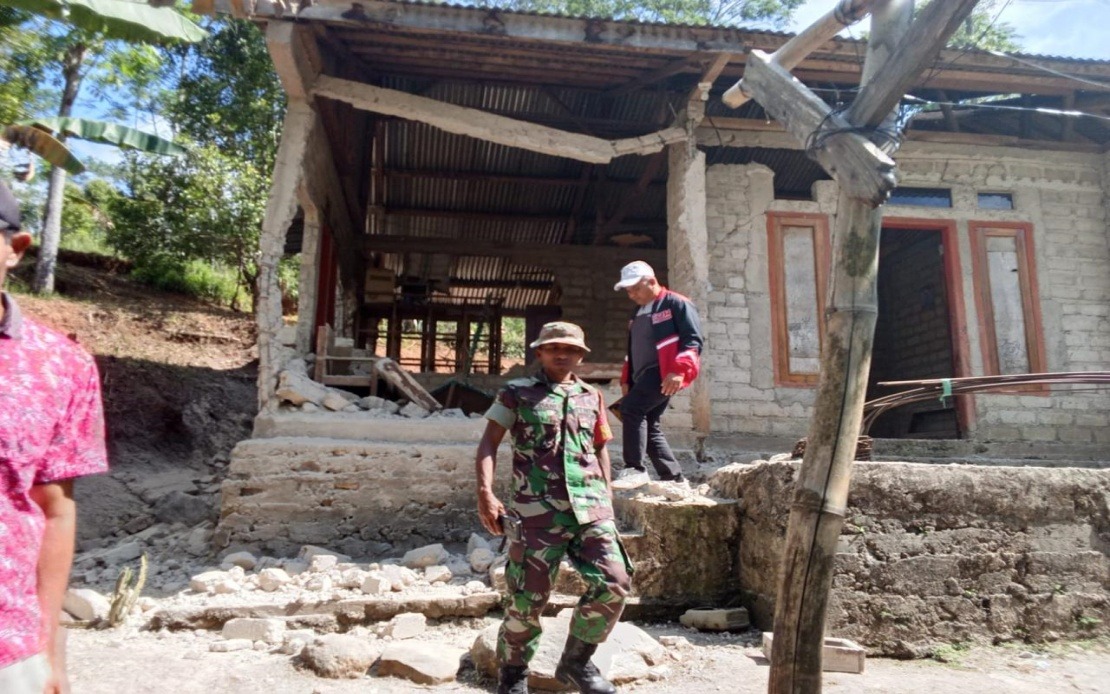
The Foreign Ministry has provided reassurance to Malaysian families after a powerful 7.7-magnitude earthquake struck Flores Island in Indonesia's East Nusa Tenggara province, confirming that a group of 16 Malaysian tourists in the affected region have been accounted for and remain unharmed. The seismic event, which occurred at 4.58 am local time northeast of Mbay in Nagekeo Regency, prompted immediate diplomatic action from Malaysia's embassy in Jakarta to locate and check on Malaysian nationals in the vicinity.
The ministry's media advisory, issued on Saturday, emphasised that the Malaysian Embassy had successfully made contact with all 16 tourists known to be in the earthquake zone, and each individual has been verified as safe and in good health. This swift communication reflects the embassy's preparedness in handling consular emergencies across the sprawling Indonesian archipelago, where Malaysian tourists frequently travel to explore beaches, volcanoes, and cultural heritage sites. The confirmation came within hours of the earthquake, demonstrating the coordination mechanisms between Malaysia's diplomatic missions and local authorities during natural disasters.
So far, no Malaysian citizens have been reported as casualties or missing in connection with the earthquake, though the ministry has cautioned that assessments in remote areas can take time to complete. The embassy is maintaining active liaison with local Indonesian authorities to gather comprehensive information about the broader situation and to ensure no Malaysian nationals requiring assistance have been overlooked. This ongoing coordination is particularly important given that Flores Island, famous among tourists for its natural beauty and the iconic Komodo dragons, attracts visitors from across Southeast Asia and beyond.
The earthquake struck a region that has experienced significant seismic activity in recent months and years, as Indonesia sits on the Pacific Ring of Fire, making it one of the world's most earthquake-prone nations. The magnitude 7.7 event represents a substantial release of energy, though the preliminary absence of widespread casualty reports among Malaysians suggests that tourists may have been concentrated in areas that experienced less severe ground motion, or that building standards in tourist zones provided adequate protection. Initial reports from Indonesian authorities would help clarify the broader humanitarian situation beyond the Malaysian community.
The Foreign Ministry has issued specific guidance for Malaysian citizens residing in or travelling to the affected regions to remain alert and follow all instructions issued by local authorities. This advisory forms part of a standard protocol for crisis situations, ensuring that Malaysian nationals understand the importance of heeding local evacuation orders, securing safe locations, and avoiding areas of potential danger such as unstable buildings or zones prone to landslides. The emphasis on personal vigilance reflects the unpredictable nature of earthquake aftermath, where secondary hazards such as aftershocks and structural damage can persist for extended periods.
Regularly updating personal information through the e-Konsular portal has become a critical tool for the ministry in maintaining contact with Malaysians abroad during emergencies. Citizens who register their travel plans and contact details enable the embassy to reach them quickly when crises occur, transforming what could be chaotic searches into orderly verification processes. The ministry has actively promoted this registration system across its official channels, recognising that many Malaysians travelling independently may not inform their families or government of their exact whereabouts, complicating emergency response efforts.
For those requiring immediate assistance, the Malaysian Embassy in Jakarta has activated its emergency support infrastructure, including dedicated telephone and email lines for consular emergencies. The emergency helpline at +6281380813036 and the email address [email protected] provide direct channels to embassy staff trained in crisis management and consular assistance. Such resources are essential given that injured or distressed Malaysians may need help arranging medical treatment, obtaining replacement travel documents, or coordinating evacuation to safer locations, services that embassy personnel regularly coordinate with local partners.
The incident underscores the broader reality that Malaysian tourists venture regularly into regions with significant natural hazard exposure, from earthquake zones in Indonesia and the Philippines to typhoon-prone areas across Southeast Asia. Travel insurance and awareness of local emergency procedures have become increasingly important considerations for travellers, alongside the traditional concerns about political stability or health risks. The Foreign Ministry's swift response in this case demonstrates that comprehensive consular networks and emergency protocols can substantially mitigate the impact of natural disasters on Malaysian nationals abroad.
The broader implications for Malaysian tourism to Indonesia remain uncertain pending full assessment of earthquake damage in Flores Island and neighbouring regions. If infrastructure damage is contained and tourist facilities remain operational, visitor flows may resume quickly. However, if significant rebuilding is required or public anxiety about seismic risk increases, there may be temporary declines in bookings to East Nusa Tenggara. The ministry will likely monitor tourism trends in coming weeks and provide guidance to travel operators and potential visitors about conditions on the ground.
This incident also highlights the need for sustained investment in Indonesia's disaster preparedness and early warning systems, which benefit not only Indonesian citizens but also the millions of regional tourists who visit the country annually. Improved building codes, earthquake-resistant construction standards, and comprehensive evacuation planning can substantially reduce casualties and injuries when major seismic events occur. Cooperation between ASEAN nations in sharing best practices for disaster management and emergency response represents an important dimension of regional security and development.

