The bodies of 15 Indian nationals who lost their lives in a speedboat tragedy off southern Vietnam arrived back in India on Monday, marking the conclusion of a devastating accident that claimed lives during what was meant to be a celebratory corporate retreat. The remains were transported by air from Ho Chi Minh City to Mumbai, with the Indian Embassy coordinating the difficult logistics of returning each victim to their home states across India. Among the dead, ten were residents of Tamil Nadu, three from Andhra Pradesh, and two from Kerala, highlighting how the disaster touched multiple corners of the subcontinent and shattered families across regional lines.
The catastrophe unfolded on Saturday afternoon when the speedboat, chartered to transport 32 Indian tourists and four Vietnamese crew members, overturned near Hon May Rut Ngoai island in the vicinity of Phu Quoc, Vietnam's largest island and one of Southeast Asia's most celebrated beach destinations. The vessel capsized shortly after departing from the island, occurring close enough to shore that rescue operations could begin swiftly. The speedboat was operated as part of a recreational excursion by Lava International, a Uttar Pradesh-based consumer electronics and smartphone manufacturer, which had organized the trip to reward and entertain its employees, business distributors, and retail partners with a memorable holiday in one of the region's most picturesque locations.
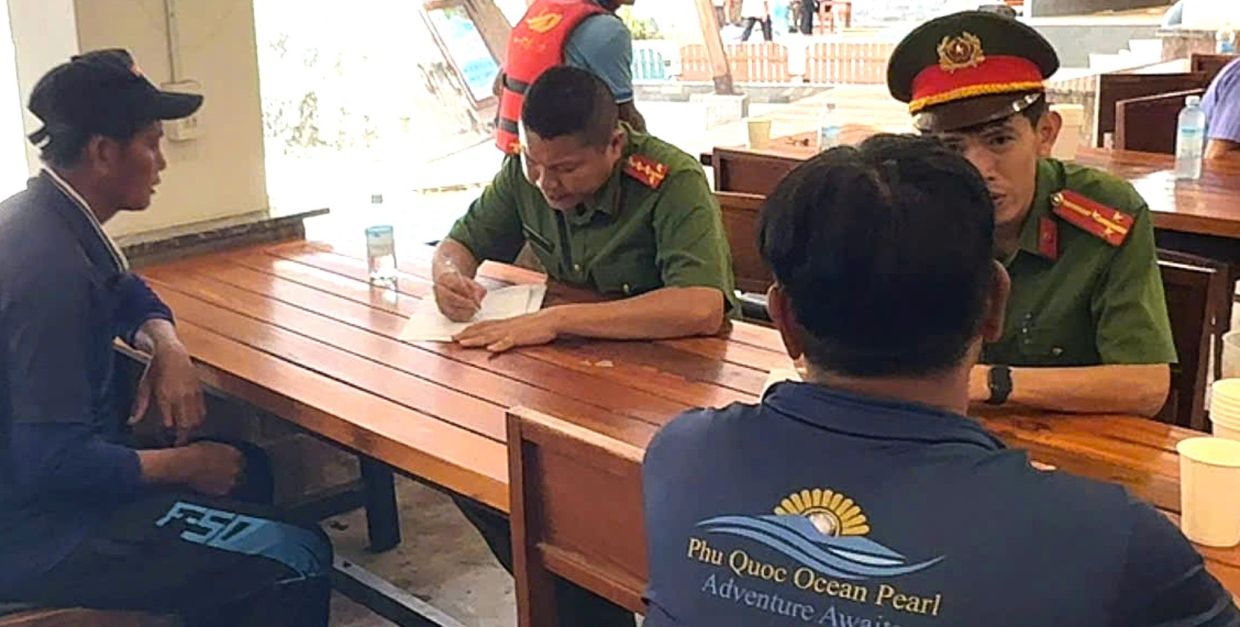
Vietnamese authorities have launched a formal investigation into the captain of the vessel, Nguyen Hong Hai, 57 years old, with state media reporting that he faces scrutiny over potential breaches of waterway transport safety protocols. The precise lapses or negligent practices that may have contributed to the disaster remain under examination, though preliminary accounts suggest environmental and operational factors converged to create a catastrophic scenario. The investigation will likely focus on whether appropriate safety measures were in place, whether the vessel was operating under proper licensing, and whether weather warnings were heeded before the boat embarked.
Survivors have provided harrowing testimonies of how rapidly the situation deteriorated from a pleasant afternoon excursion into a life-threatening emergency. Nirmal Kumar, a 44-year-old businessman who was aboard the vessel, recounted how an abrupt storm struck the boat, transforming the scene into one of panic and desperation within moments. According to Kumar's account, a large wave struck the speedboat with tremendous force, igniting immediate alarm among passengers. The vessel then began pitching violently in the turbulent waters, becoming increasingly difficult for crew members to control as conditions worsened.
The panic that gripped passengers manifested in chaotic scrambling across the boat's deck, with people rushing from side to side in an attempt to maintain stability or seek safety. Within minutes, as the situation became untenable, passengers began jumping into the water in a desperate bid for survival. Kumar himself abandoned the vessel and plunged into the sea, a decision that proved crucial to his own survival. What makes Kumar's testimony particularly poignant is his revelation that among those who perished was a childhood friend with whom he had expected to share a joyful holiday—a reminder of how such tragedies strike at the heart of personal relationships and shared memories.
Rescue response arrived remarkably quickly, with teams reaching the disaster site within five minutes of the capsizing. This rapid intervention undoubtedly saved lives, as recovery personnel pulled survivors from the water in what would have been a coordinated and urgent operation. Sixteen survivors were eventually discharged from hospitals and have been returning to India, representing those fortunate enough to reach safety or be rescued before conditions became unsurvivable. However, the psychological toll on survivors like Kumar remains profound; he expressed deep trauma at the experience and struggled with the reality of his friend's death, indicating that recovery extends far beyond physical injury.
One survivor remained in critical condition as of Monday, having been transferred to Cho Ray Hospital, one of Vietnam's leading public medical institutions located in Ho Chi Minh City, for advanced intensive care treatment. The 49-year-old patient sustained severe pulmonary damage from near-drowning, compounded by shock, multiple traumatic injuries, and intracranial bleeding—injuries that required specialized neurological and respiratory support available only at major tertiary facilities. Dr. Tran Thanh Linh, heading the hospital's intensive care unit, reported to state media that while the patient's condition remained critical, there were encouraging signs of improvement in blood pressure and blood oxygen saturation levels, suggesting that with continued intensive intervention, recovery might be possible.
The geographical location of this tragedy carries particular significance within Vietnam's tourism landscape. Phu Quoc and the surrounding waters represent some of Southeast Asia's most prized beach destinations, renowned for their pristine white sand beaches and crystalline waters that attract millions of tourists annually from across the globe and from within Vietnam itself. The area lies approximately ten kilometers south of Phu Quoc proper, placing the disaster in waters that are typically regarded as safe and well-traversed by tourist operators. This juxtaposition—a tragedy occurring in one of the region's safest and most popular recreational destinations—underscores how even in established tourist zones with developed infrastructure, unexpected hazards can materialize and claim lives.
The incident carries broader implications for India-Vietnam tourism relations and safety standards in the region. India represents one of Vietnam's fastest-growing tourism markets, with increasing numbers of Indian visitors choosing Vietnam as a destination for holidays, corporate retreats, and family vacations. The disaster raises questions about regulatory oversight of tourism operators, particularly foreign-owned or foreign-chartered vessels, and whether adequate safety protocols and enforcement mechanisms exist to protect international visitors. Both nations will likely engage in dialogue regarding tourism safety standards, vessel certification, and emergency response procedures to prevent similar tragedies in the future and maintain confidence in cross-border tourism.
For the families of the deceased, the return of their loved ones' remains represents the beginning of a long grieving process and the difficult work of finding meaning or accountability in the tragedy. The incident has prompted reflection within India's corporate sector, particularly among companies that organize employee incentive trips, regarding their duty of care in selecting vendors and verifying safety credentials. The speedboat operator's licensing, insurance coverage, and safety record will likely come under public scrutiny, and questions about how such operators are vetted and monitored in Vietnam's tourism industry will inevitably emerge in both Indian and Vietnamese media and policy circles.

