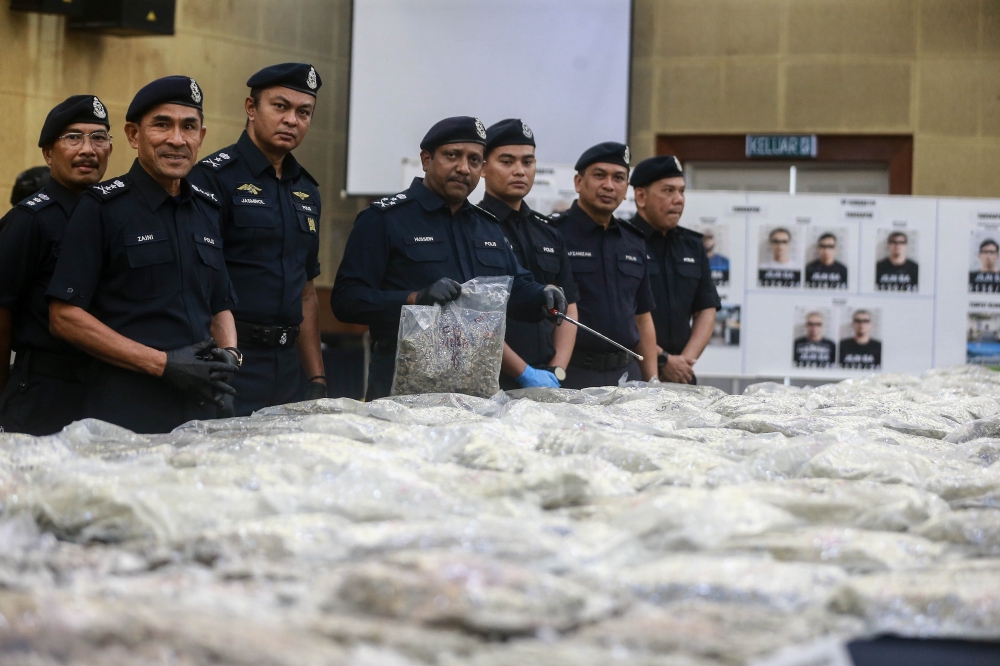
The Royal Malaysian Police have identified a troubling pattern of Malaysian nationals being arrested overseas for their alleged involvement in international drug smuggling networks, with 14 citizens apprehended in foreign jurisdictions since the start of January. The disclosure, made by authorities in Shah Alam, highlights the growing participation of Malaysians in transnational narcotics trafficking operations, suggesting that organised criminal syndicates are increasingly exploiting local personnel for cross-border smuggling ventures.
The Kuala Lumpur International Airport has emerged as a critical nexus in these smuggling operations, with police linking many of the overseas arrests to activities originating from or coordinated through Malaysia's largest aviation hub. This represents a significant security concern for the nation's transport infrastructure and raises questions about the effectiveness of existing border controls and passenger screening mechanisms. The airport's role as a major regional transportation gateway makes it an attractive target for drug trafficking organisations seeking to move narcotics across Asia-Pacific routes.
The involvement of Malaysian nationals in these networks underscores how organised crime groups have successfully recruited local citizens to serve as couriers, coordinators, and logistical operatives. Rather than relying exclusively on foreign operatives, international drug syndicates appear to have recognised the advantage of using Malaysian citizens who can navigate domestic systems more easily and potentially avoid suspicion during international transit. This recruitment strategy presents a distinct challenge for law enforcement, as it widens the pool of potential perpetrators and suggests organised crime has developed sophisticated methods for identifying and converting locals into operational assets.
The arrests span multiple foreign countries, indicating that the smuggling operations involve complex international networks rather than isolated incidents. The geographical spread of these detentions suggests coordinated distribution networks extending across multiple borders and likely involving sophisticated handoff points and money laundering mechanisms. The involvement of multiple jurisdictions also complicates enforcement efforts, as police must coordinate with foreign counterparts across varying legal systems and extradition frameworks.
From a regional perspective, Malaysia's position as a transit hub for Asian narcotics trafficking makes the country particularly vulnerable to exploitation by international crime networks. The country's geographic location between major opium-producing regions in the Golden Triangle and Golden Crescent and consumer markets in East Asia and Australia creates obvious incentives for traffickers. Additionally, Malaysia's extensive port facilities and air connections provide multiple entry and exit points for illicit shipments, making comprehensive interdiction inherently challenging.
The police disclosure serves as a wake-up call regarding the sophistication of modern drug trafficking operations. Contemporary smuggling networks operate with business-like efficiency, employing compartmentalised structures where individual participants may not fully understand their role within larger operations. Arrest of peripheral operatives like couriers, while important, does not necessarily disrupt the core criminal infrastructure, which may quickly recruit replacements and adjust routes to circumvent enforcement efforts.
For Malaysia's law enforcement agencies, these arrests abroad signal the need for enhanced intelligence gathering and international cooperation mechanisms. The Royal Malaysian Police must develop deeper partnerships with foreign counterparts, particularly in countries where Malaysian smugglers have been apprehended, to trace networks back to their source and dismantle command structures operating domestically. Intelligence sharing protocols and joint task force operations could yield more comprehensive understanding of how these networks function and who orchestrates operations from Malaysian territory.
The implications for ordinary Malaysians and regional travellers extend beyond drug policy concerns. Increased smuggling activity may prompt tighter airport security measures, more rigorous baggage screening, and longer processing times at border control—inconveniences that affect legitimate travellers. Furthermore, the reputational impact of being associated with international drug trafficking could affect Malaysia's standing in regional and global forums, potentially influencing diplomatic relationships and international confidence in Malaysian institutions.
Looking forward, addressing this challenge requires a multifaceted approach combining strengthened border security, enhanced community awareness programmes, targeted intervention in vulnerable populations susceptible to recruitment by criminal networks, and sustained international law enforcement cooperation. Malaysian authorities must also examine whether social and economic factors—including poverty, limited legitimate employment opportunities, and easy access to criminal networks—create conditions that make nationals vulnerable to recruitment as smuggling operatives. Without addressing root causes alongside enforcement efforts, the cycle of recruitment and arrest is likely to persist despite individual prosecutions.
The 14 arrests represent documented cases, suggesting the actual scope of Malaysian involvement in international drug smuggling may be substantially larger, with many operatives never apprehended or detected. This hidden figure underscores how drug trafficking has become embedded within certain segments of Malaysian society, requiring not just police action but broader societal commitment to prevention and rehabilitation.

