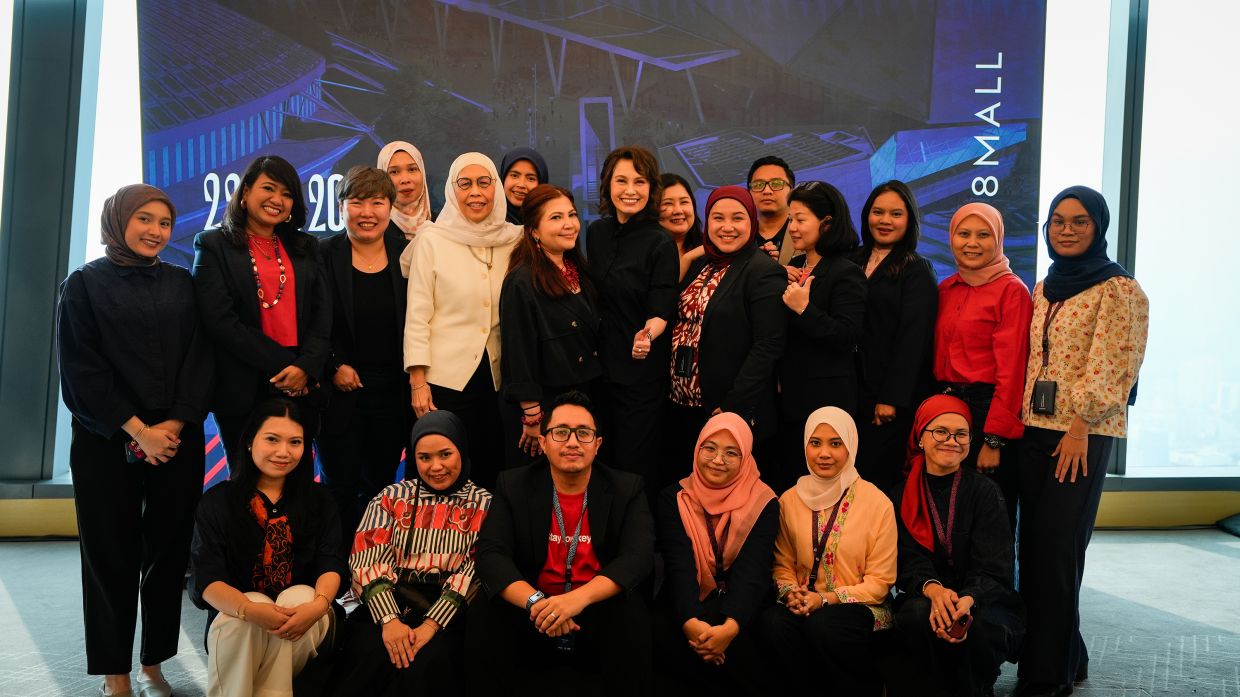
118 Mall convened its first retailers' forum at Park Hyatt Kuala Lumpur, assembling more than 200 commercial partners to synchronise preparations for the landmark shopping destination's launch in November 2026. The gathering highlighted the collaborative approach underpinning the development, with participants spanning fashion, dining, lifestyle and service sectors gaining direct insight into the project's readiness and strategic positioning ahead of its market entry.
The event brought together a diverse roster of international and local brands preparing to establish operations within the mall. Anchor tenants and boutique retailers including Village Grocer, Makanism Foodhall, adidas, ALDO, Converse, Foot Locker, Guess, Lacoste, Benjamin Barker, CHAGEE Signature, Best Denki and BookXcess were represented, alongside homegrown enterprises clustered under the Malaysian Artisan District banner. This mix reflects deliberate curation to create a balanced retail environment capable of serving multiple consumer demographics and shopping occasions.
PNB Merdeka Ventures, the development entity overseeing the project, framed 118 Mall as an integrated component of the broader Merdeka 118 precinct rather than a standalone retail facility. According to chief executive officer Datuk Ir. Ts. Izwan Ibrahim, this ecosystem approach—combining retail alongside hospitality, tourism, heritage and office space—fundamentally shapes the mall's commercial potential and differentiation strategy. The positioning suggests deliberate planning to capture foot traffic flowing between the precinct's various attractions and amenities, creating cross-visitation opportunities beyond traditional shopping centre dynamics.
The distinctive characteristic of the development lies in its capacity to draw multiple visitor streams converging within the same precinct. Merdeka 118 hotel guests, corporate workers occupying the tower's commercial floors, domestic and international tourists attracted by heritage offerings, and local shoppers all constitute the addressable market. Ibrahim emphasised that this convergence of demand sources provides retail tenants with visibility and transaction opportunities extending beyond conventional city-centre shopping centre patronage patterns, underpinning retailer confidence in the venture's commercial viability.
118 Mall will operate across seven storeys and accommodate more than 300 retail outlets, substantially larger than most traditional shopping centres in Malaysia's competitive retail landscape. Sue Wang, heading retail operations, stressed that the first-year visitor projection of 22 million represents a critical performance benchmark. This figure assumes successful integration with the precinct's hotel, office and heritage components, alongside effective marketing penetration positioning the mall within the broader Merdeka 118 destination narrative rather than as an isolated retail facility.
The Malaysian Artisan District component warrants particular attention for regional observers. By dedicating space to curated local brands and artisanal enterprises alongside established international retailers, the development addresses growing consumer appetite for authentic, domestically-produced goods whilst maintaining the international brand prestige associated with major shopping destinations. This hybrid approach reflects evolving retail strategy across Southeast Asia, where destination shopping increasingly incorporates cultural and local commerce elements rather than purely international offerings.
Retailers received briefings extending beyond conventional lease and occupancy matters, with presentations covering marketing infrastructure and brand activation opportunities. The mall's digital display systems and dedicated event spaces will facilitate retailer-led promotional campaigns, suggesting collaborative engagement between mall management and tenants in driving sustained customer engagement throughout operating cycles. This operational detail indicates sophistication in retail centre management, moving beyond passive landlord models toward active ecosystem cultivation.
The timing of the retailers' forum—over eighteen months before launch—reflects the extended preparation timeline required for major retail infrastructure projects in Malaysia. Supply chain coordination, staffing recruitment, systems integration and inventory positioning for 300+ retail outlets demands extended lead times. Convening retail partners at this juncture allows collective problem-solving around operational readiness and synchronised market entry, reducing individual retailer friction whilst strengthening precinct-wide opening impact.
For Malaysia's retail sector, 118 Mall represents significant capital deployment within the Kuala Lumpur metropolitan market. The seven-storey structure and three-hundred-outlet capacity position it within the country's largest shopping centre categories, competing directly with established venues. However, differentiation through Merdeka 118 precinct integration, heritage positioning within the landmark tower development, and deliberate local brand inclusion through M.A.D suggests strategic departure from conventional metropolitan mall formats increasingly vulnerable to e-commerce pressure and experiential retail evolution.
Regionally, the project signals Malaysian investor confidence in physical retail infrastructure despite global digital commerce expansion. The integration of luxury hospitality, corporate office space and shopping within unified precinct design mirrors contemporary Asian mixed-use development approaches observed across Singapore, Bangkok and Jakarta, suggesting alignment with regional real estate trends rather than isolated Malaysian phenomenon.
Retailer participation enthusiasm, evidenced by 200+ attendees representing established and emerging brands, indicates market receptivity toward the November 2026 opening timeline and confidence in the precinct's ability to deliver projected visitor volumes. The diverse tenant mix suggests competitive bidding for space and deliberate curation toward balanced retail ecology rather than generic tenant aggregation.

