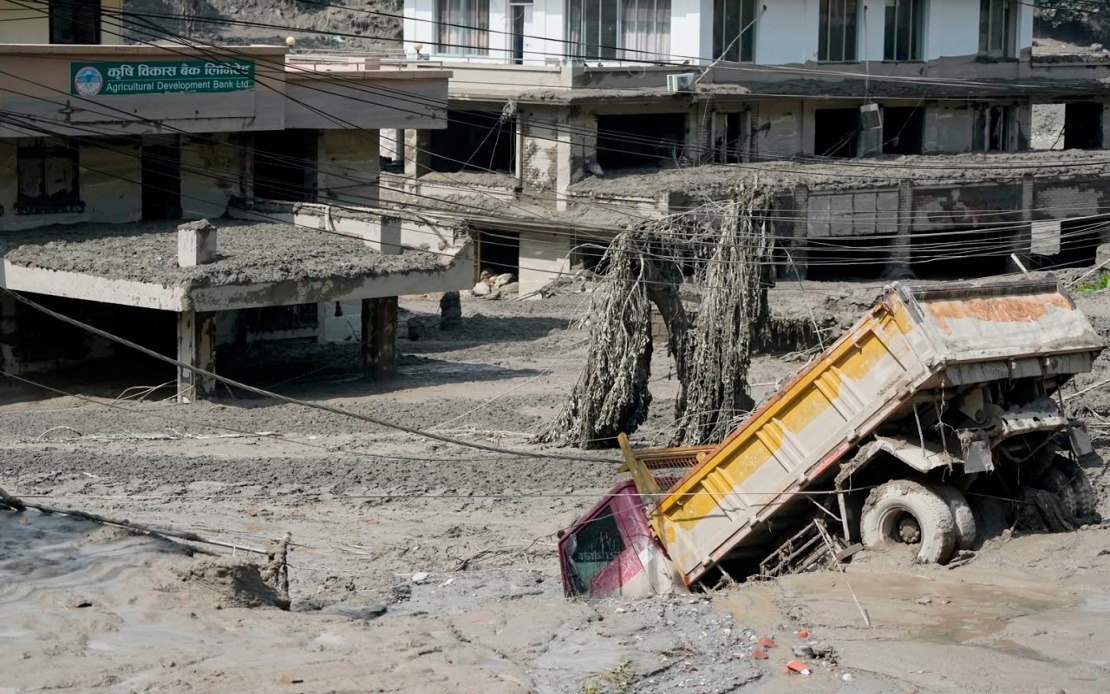
Eleven Malaysian nationals have gone out of contact following catastrophic flooding that struck Nepal's Rasuwa district, according to the Foreign Ministry in a statement released Wednesday. Travel agencies operating in the region initially alerted Malaysian diplomatic officials to the disappearance, prompting urgent consular coordination between Wisma Putra and authorities in Kathmandu. The loss of communication is being attributed to the widespread destruction of telecommunications and electrical infrastructure caused by the disaster, rather than any confirmed harm to the individuals themselves.
The Embassy of Malaysia in Kathmandu has activated its emergency response protocols, working alongside Nepalese government rescue teams that have been mobilised across the affected area. Officials are attempting to establish the precise locations and current status of each missing national, with particular focus on those believed to be in Rasuwa at the time of the flooding. The coordinated search effort reflects the scale of the humanitarian crisis unfolding in the region, where natural disaster response capabilities are being tested by widespread infrastructure damage.
A massive flash flood surged through the Bhote Koshi River valley in the early morning hours of Wednesday, unleashing destructive forces across settlements and commercial areas throughout Rasuwa district. The torrent damaged markets, residential areas, and critical infrastructure, effectively isolating communities in the aftermath. Nepal's mountainous terrain and limited transport networks in such remote regions compound the difficulty of reaching stranded individuals and assessing overall casualty figures.
Malaysian citizens currently in Nepal or planning travel to the country have been urged to exercise heightened caution and comply fully with guidance issued by Nepalese authorities. The Foreign Ministry emphasised the importance of personal safety awareness, particularly for those located near the affected zones or in regions prone to secondary hazards such as landslides triggered by saturated ground conditions. Malaysians are advised to monitor local news sources and heed any evacuation orders or movement restrictions imposed by authorities.
To facilitate rapid coordination during emergencies, the Foreign Ministry is encouraging all Malaysian nationals abroad to maintain updated registration details through the e-Konsular portal at https://ekonsular.kln.gov.my. This digital system allows the embassy to maintain current contact information and reach citizens swiftly when crises occur. The registration process provides diplomats with essential details about Malaysian residents and visitors, enabling more efficient deployment of consular services during disasters.
The Embassy of Malaysia in Kathmandu has established multiple communication channels for citizens requiring immediate assistance. General inquiries can be directed to the embassy switchboard at +977 1 544 5680 or +977 1 544 5681, while those needing specific consular assistance should contact +977 1 544 5689. An emergency helpline has been activated at +977 980 100 8000 for urgent situations, and email support is available through [email protected] for non-time-critical matters.
The incident highlights the vulnerability of tourists and expatriates in mountainous regions susceptible to sudden hydrological events. Flash flooding in Nepal's northern districts occurs with seasonal regularity during monsoon periods, but the severity and timing of individual events remain unpredictable. Malaysian travellers and business representatives operating in Nepal, particularly those engaged in tourism, trekking, or adventure activities in higher-altitude zones, face genuine exposure to such natural hazards.
Wisma Putra has committed to maintaining close surveillance of developments as information emerges from rescue operations and local authorities. Officials stated that verified updates regarding the status and whereabouts of affected Malaysians would be released promptly as they become available. The ministry's measured communication approach reflects standard diplomatic practice during evolving crises, prioritising accuracy over rapid announcements that might subsequently require correction.
The flooding in Rasuwa district underscores broader infrastructure vulnerabilities across Nepal's mountainous regions, where transportation networks, communication systems, and emergency services remain under-resourced relative to the territory's geographic challenges. Significant international development efforts continue, but progress in building resilient infrastructure capable of withstanding major natural disasters has proceeded slowly. For Malaysian nationals planning visits to Nepal, particularly to popular trekking destinations and adventure tourism hotspots in the Himalayan foothills, understanding seasonal weather patterns and maintaining contingency communication plans with family and employers represents prudent preparation.
The Foreign Ministry's coordinated response demonstrates Malaysia's established protocols for managing citizen emergencies abroad. Embassy staff in Kathmandu, supported by consular networks across South Asia, possess experience responding to various crises ranging from health emergencies to natural disasters. The integration of diplomatic channels with local Nepalese government structures and international humanitarian organisations facilitates information-sharing and resource coordination essential to effective rescue and recovery operations in cross-border emergencies.

