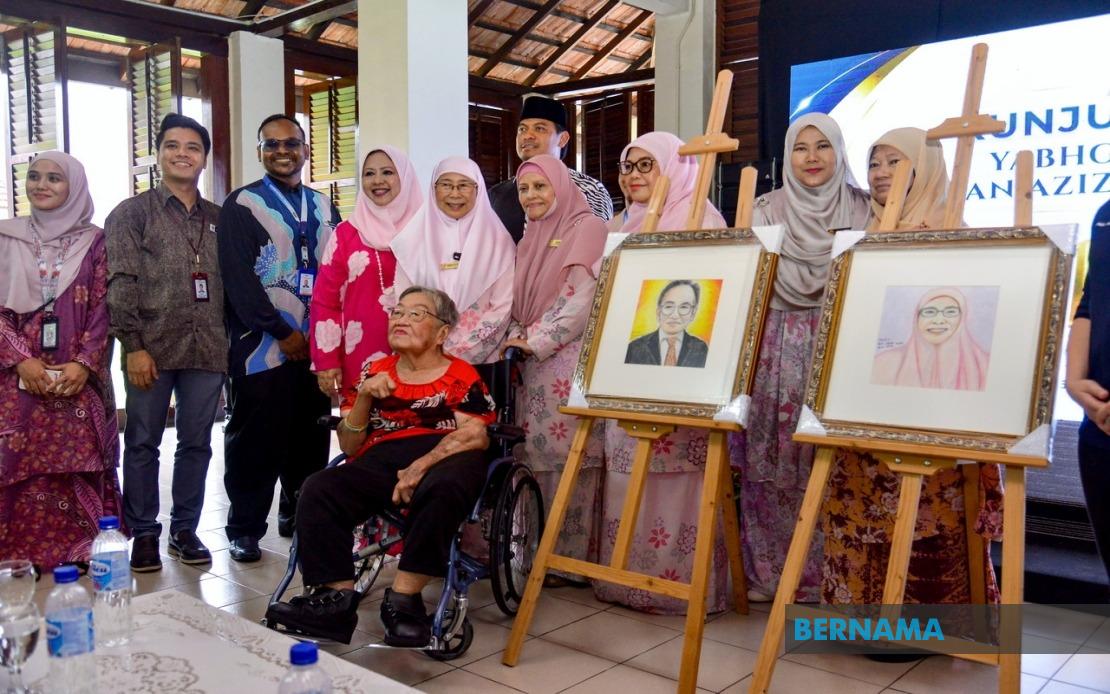
The National Leprosy Control Centre in Sungai Buloh is marking a significant milestone this year—one hundred years since its establishment in 1926. During a special visit to the facility, Datuk Seri Dr Wan Azizah Wan Ismail, wife of the Prime Minister and Member of Parliament for Bandar Tun Razak, stressed the importance of safeguarding this institution as a tangible representation of Malaysia's medical heritage and achievement in public health.
Dr Wan Azizah's intervention underscores growing recognition among Malaysian policymakers that the centre's historical value extends well beyond its original clinical mission. While leprosy itself has been largely controlled in Malaysia, the physical infrastructure and institutional memory housed within the centre document a crucial period in the nation's efforts to combat infectious disease. The visit included a comprehensive tour of the facility's operations, during which Dr Wan Azizah engaged directly with both staff members and residents, demonstrating sustained government interest in the centre's welfare and future direction.
Malaysia's success in controlling leprosy represents one of the country's most significant public health victories. The nation achieved elimination status in 1994, a remarkable achievement that reflected decades of systematic treatment programmes and public health intervention. Today, the prevalence rate stands at 0.15 cases per 10,000 population, substantially below the World Health Organisation's threshold for disease elimination. This progress has transformed both the epidemiological reality and the social perception of a disease that once carried profound stigma throughout Southeast Asia.
During its peak, the Sungai Buloh facility earned international recognition as the world's second-largest leprosy isolation centre, attracting medical professionals and researchers from across the globe. The centre's historical significance lies not only in the sheer scale of its operations but in the pioneering treatment approaches developed and refined within its confines. The institutional knowledge accumulated over a century represents an irreplaceable resource for understanding how Malaysia approached communicable disease control during different historical periods.
Dr Wan Azizah emphasized that preservation should encompass both the physical heritage structures and the ongoing modernisation of healthcare services delivered at the centre. This balanced approach reflects contemporary thinking about heritage conservation—the notion that historical sites need not become static monuments but can continue functioning as living institutions serving current populations. The centre currently provides ongoing treatment and support services to remaining patients, many of whom have resided there for decades and regard it as their home.
The changing social perception of leprosy represents another dimension of the centre's historical significance. Once regarded as a highly contagious plague warranting segregation, medical and scientific advancement has clarified that leprosy transmission is far more limited than historically believed. This shift in understanding has profound implications for how Malaysians regard the centre's residents and the ethical frameworks underpinning historical medical practice. Bringing this evolved understanding to public attention through heritage preservation efforts can contribute to broader social rehabilitation of those affected by the disease.
The centre's role during the COVID-19 pandemic in 2020 demonstrates the continuing relevance of this institution to contemporary public health needs. The facility was repurposed to accommodate COVID-19 patients, illustrating how heritage infrastructure can maintain functional importance during health emergencies. This adaptive capacity suggests that preservation need not mean abandonment of modern clinical applications or relegation of the facility to purely commemorative status.
For Southeast Asian readers, the Sungai Buloh centre's trajectory offers instructive lessons about disease control and institutional evolution. Several nations in the region face ongoing challenges with leprosy and other communicable diseases, and Malaysia's documented experience provides a regional reference point for successful elimination programmes. Preserving the institutional memory and physical evidence of these programmes creates valuable educational resources for public health professionals across the region.
Dr Wan Azizah's visit and subsequent statements also reflect broader Malaysian government interest in recognising the contributions of medical institutions to national development. The involvement of KASIH Malaysia, the charity organisation which she chairs, suggests that heritage preservation efforts may incorporate community engagement and support for vulnerable populations. This institutional approach to conservation acknowledges that heritage preservation carries ethical dimensions beyond merely maintaining buildings.
The question of how Malaysia manages its medical heritage remains relevant as the country develops economically and urban spaces face competing pressures. The Sungai Buloh facility occupies valuable land in a growing region, and its preservation requires active policy support and resource allocation. Dr Wan Azizah's public advocacy for the centre's conservation provides crucial political backing for what might otherwise face marginalisation in development planning.
Looking forward, the centennial moment offers opportunity for Malaysia to formally document and celebrate the centre's achievements while clarifying its future role. This might include establishing the facility as an official medical heritage site, supporting archival and research initiatives, and developing educational programmes that communicate the centre's significance to younger generations. Such efforts would ensure that the centre's historical lessons remain accessible and relevant rather than becoming obscured by time.
The preservation of the National Leprosy Control Centre ultimately reflects Malaysia's maturity as a nation confident enough to acknowledge and honour the institutions and individuals that contributed to public health achievements. In an era where infectious disease remains a global concern, maintaining accessible evidence of successful disease control programmes serves both commemorative and practical purposes for present and future public health endeavours.

