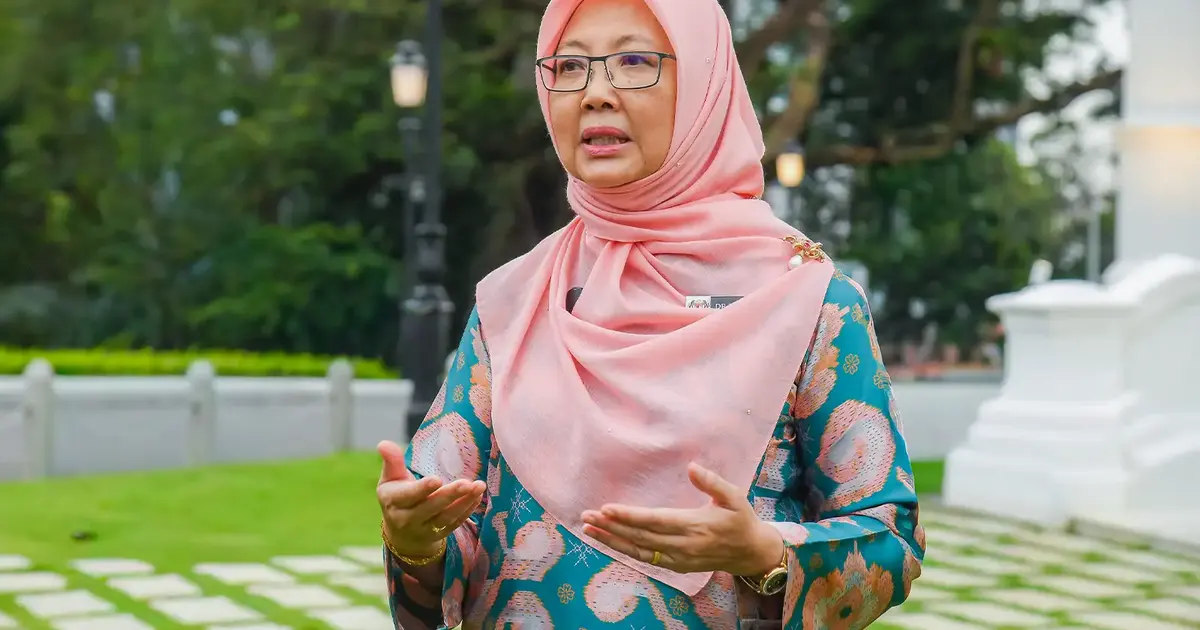
PKR vice-president Zaliha Mustafa has expressed bewilderment at Johor Barisan Nasional chairman Onn Hafiz Ghazi's insistence that Pakatan Harapan publicly name its menteri besar candidate before the state elections, particularly given the absence of any binding commitment to appoint whoever is selected. The apparent contradiction in the demand has drawn scrutiny from within the opposition coalition as it prepares for electoral contests in the southern state.
Onn Hafiz's call appears to assume that simply identifying a frontrunner would automatically translate into a ministerial appointment following any electoral victory, an assumption Zaliha contends lacks foundation. In Malaysian politics, the appointment of menteri besar typically occurs after elections conclude and coalition negotiations determine final leadership arrangements. Demanding premature disclosure of candidates while offering no reciprocal guarantee creates an asymmetrical situation that favours the incumbent, according to opposition strategists.
The timing of this demand carries particular significance given Johor's political volatility over the past decade. The state has witnessed multiple electoral cycles and leadership transitions, with coalitions frequently reshuffling priorities and personnel following ballot results. Zaliha's caution reflects broader concerns within Pakatan Harapan about transparency versus strategic advantage. Revealing a preferred candidate too early exposes that individual to sustained personal attacks and allows opponents to mobilise against a specific target rather than a broader platform.
Pakatan Harapan's hesitation also stems from internal coalition dynamics. The alliance comprises PKR, Democratic Action Party, and Amanah, each with distinct interests and membership bases within Johor. Reaching consensus on a single menteri besar nominee requires delicate negotiations that balance representation across parties. Announcing a candidate prematurely could fracture these negotiations or create resentment among coalition partners who feel sidelined in the selection process.
From an electoral strategy perspective, opposition analysts note that frontloading candidate identification allows ruling coalitions to concentrate opposition research, media scrutiny, and negative messaging on a single individual. Barisan Nasional and Perikatan Nasional, controlling state machinery and substantial media resources, would exploit such transparency to damage the opposition's chosen figure months before voting occurs. This tactical disadvantage explains why many opposition movements worldwide prefer withholding such announcements until closer to election day.
Onn Hafiz's demand also reflects confidence within the incumbent Johor government regarding its electoral prospects and popularity. When governing coalitions feel politically secure, they often demand transparency from challengers as a method of signalling dominance and setting the terms of electoral competition. This psychological positioning serves multiple purposes: it allows incumbents to appear confident and above-board whilst simultaneously placing opponents in reactive positions.
Zaliha's public questioning of the demand signals that Pakatan Harapan intends to control its own campaign timeline and strategy rather than accepting frameworks imposed by rivals. The response demonstrates coalition discipline and refusal to be drawn into unfavourable negotiating positions before electoral campaigns formally commence. For Malaysian voters, this exchange illustrates how electoral rules and conventions remain contested terrain, with different political actors interpreting norms differently to maximise their competitive advantages.
The broader context involves Johor's significance within Malaysian politics. As the country's second-largest state and historically a stronghold for the ruling coalition, controlling Johor carries symbolic weight beyond numerical representation. Pakatan Harapan's performance in Johor elections substantially influences national political narratives and coalition morale. Strategic caution about candidate selection thus extends beyond state-level considerations to affect broader national coalition positioning.
Regional observers note that such pre-election positioning contests increasingly characterise Malaysian politics, where coalitions negotiate not just over policies and promises but over the very structure and timing of electoral competition. These meta-political disputes often receive less public attention than substantive policy debates yet significantly shape electoral outcomes by influencing voter information environments and candidate viability perceptions.
Looking forward, whether Pakatan Harapan eventually names a menteri besar candidate before Johor elections remains uncertain. Zaliha's comments suggest the coalition will maintain discretion over such announcements, releasing information strategically rather than responding to opposition demands. This posture allows flexibility should internal coalition discussions shift or electoral momentum change unexpectedly during campaign periods, keeping multiple options open until conditions favour definitive commitments.